
Science
Who pays when rockets explode? China insures SpaceX’s rivals in orbital race against US
Key Points
Who pays when rockets explode? China insures SpaceX’s rivals in orbital race against US Wave of Chinese insurers is underwriting rockets and satellites, turning space risk into a new front in the China-US rivalry This is part of a series on the global impact of SpaceX’s historic IPO, tracing how mainland Chinese investors’ strategies, the Hong Kong market and wider capital flows are being reshaped by Elon Musk’s trillion-dollar rocket gamble. In 2016, a SpaceX rocket carrying a satellite...
Who pays when rockets explode? China insures SpaceX’s rivals in orbital race against US
Wave of Chinese insurers is underwriting rockets and satellites, turning space risk into a new front in the China-US rivalry
This is part of a series on the global impact of SpaceX’s historic IPO, tracing how mainland Chinese investors’ strategies, the Hong Kong market and wider capital flows are being reshaped by Elon Musk’s trillion-dollar rocket gamble.
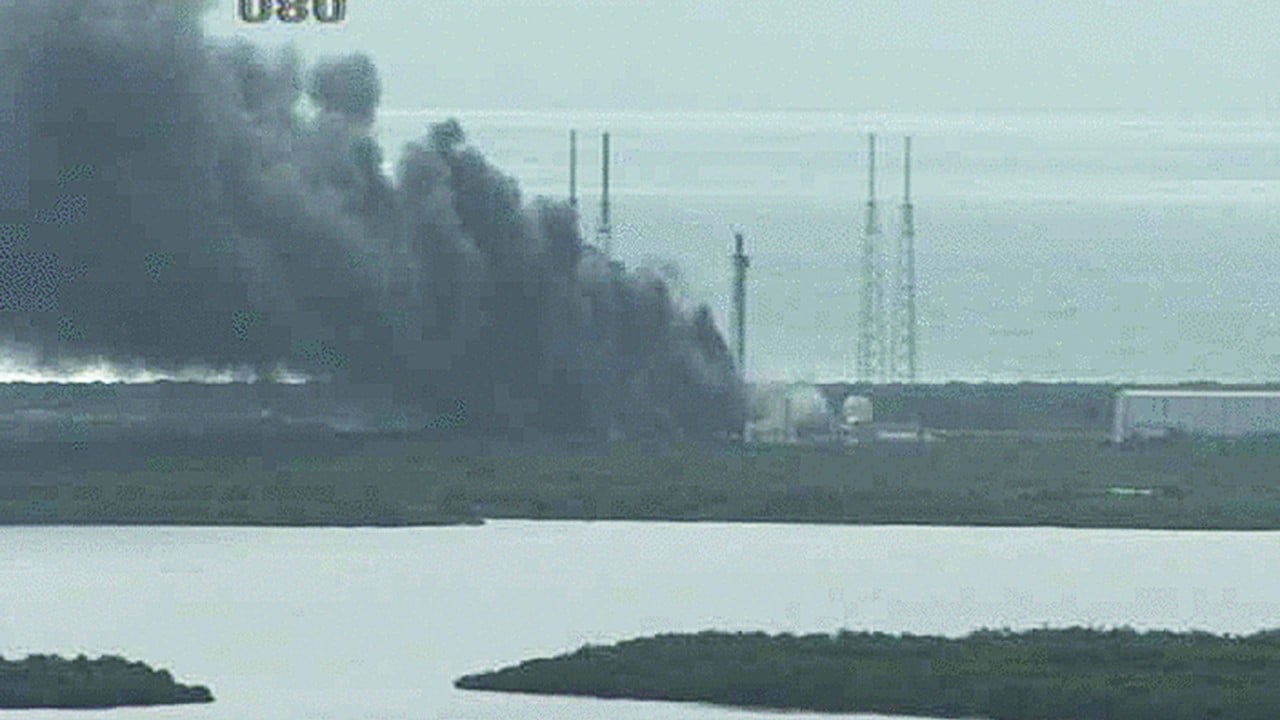
In 2016, a SpaceX rocket carrying a satellite blew up during a test, destroying on-board equipment and surrounding facilities worth millions of US dollars.
Fortunately, the satellite operator, Israel’s Space Communications, had an insurance policy worth almost US$300 million on the cargo, largely minimising the loss.
As the commercial space sector has flourished over the past decade – culminating in the blockbuster initial public offering of SpaceX on Friday – the space-insurance market has matured alongside it.
Once a highly specialised niche, the sector now serves as a critical financial backstop protecting satellite operators, manufacturers and space-flight providers against catastrophic loss.