
Technology
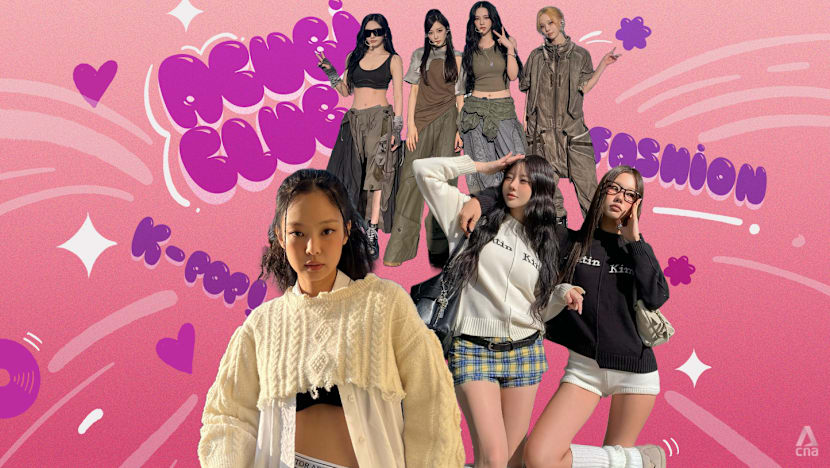
What is Acubi? How the Korean fashion aesthetic became Gen Z’s biggest style trend
Key Points
How the Korean fashion aesthetic became Gen Z’s biggest style trend From Jennie’s casual off-duty style to Enhypen's Sunghoon's layered streetwear looks, CNA Lifestyle breaks down the Korean-born Acubi aesthetic reshaping youth fashion right now. Acubi – the Korean-born aesthetic that has become one of Gen Z’s defining style languages – is oddly difficult to pin down. There’s Y2K, obviously.
What is Acubi? How the Korean fashion aesthetic became Gen Z’s biggest style trend
From Jennie’s casual off-duty style to Enhypen's Sunghoon's layered streetwear looks, CNA Lifestyle breaks down the Korean-born Acubi aesthetic reshaping youth fashion right now.
Acubi – the Korean-born aesthetic that has become one of Gen Z’s defining style languages – is oddly difficult to pin down. There’s Y2K, obviously. A little soft grunge. Some Korean streetwear minimalism. A touch of Tumblr-era melancholy.
Scroll TikTok or walk through Seoul’s Seongsu district and you’ll recognise it instantly: washed charcoal knits, low-slung cargo pants, asymmetrical layering, oversized zip hoodies, and faded denim. The formula is deceptively simple – slim tops, baggy bottoms and plenty of layering – but the appeal lies in how effortless it feels.
Unlike louder TikTok aesthetics or the hyper-feminine Y2K revival, Acubi trades spectacle for muted palettes, relaxed silhouettes and an almost studied nonchalance. The clothes look thrown together rather than meticulously styled, even if every detail has been carefully considered.
That understated quality may explain why Acubi has outlasted most internet trend cycles. What began in Korean fashion circles has since spread far beyond Seoul, filtering into global street style, fast fashion and the wardrobes of young consumers everywhere.
Oversized outerwear paired with fitted tops, subdued colours over overt flash and a preference for layering over statement dressing.
THE ACCIDENTAL BIRTH OF ACUBI
Acubi did not emerge from a runway or a single celebrity endorsement. The name traces back to Korean label Acubi Club, whose slouchy knits, layered basics and muted styling became so widely imitated that the brand name evolved into shorthand for an entire aesthetic.
Acubi drew from a visual language already embedded in Seoul street style: Oversized outerwear paired with fitted tops, subdued colours over overt flash and a preference for layering over statement dressing.
Core pieces include cropped knitwear, fitted long-sleeve tops, layered tanks, low-rise trousers, maxi skirts and oversized hoodies. The palette leans heavily on greys, charcoal, khaki and off-white, usually finished with chunky sneakers or combat boots.
There are traces of early-2000s fashion throughout the aesthetic, but Acubi feels softer and moodier than the louder Y2K revival that dominated post-pandemic social media. Where classic Y2K fashion embraced rhinestones, bodycon silhouettes and paparazzi-era glamour, Acubi strips those references back into something more understated and wearable.
Its rise also reflects a broader shift in how younger consumers approach fashion today. Instead of dressing for spectacle, many are gravitating toward comfort, versatility and individuality.
Acubi feels softer and moodier than the louder Y2K revival.
WHY ACUBI TOOK OFF
Fashion trends often mirror broader cultural moods, and Acubi arrived at exactly the right moment. After years of hyper-curated Instagram fashion and loud TikTok aesthetics, younger consumers began gravitating toward clothing that felt more relaxed, practical and emotionally grounded.
Acubi also translates perfectly online. Its muted palettes, relaxed proportions and layered styling naturally create visually cohesive outfits on camera. According to hashtag analytics platform TikTokHashtags.com, #acubi has generated more than 420 million views through styling videos, Korean fashion hauls and outfit breakdowns.
Part of the appeal is accessibility. Unlike luxury-driven aesthetics, Acubi can be recreated through vintage shopping, independent Korean retailers or pieces already sitting in your wardrobe. That practicality has helped it last longer than many internet trends.
Its flexibility has also contributed to its staying power. Depending on styling, Acubi can lean sporty, minimalist, grunge or slightly futuristic without losing its core identity.
THE K-POP EFFECT
Acubi’s global rise is closely tied to the influence of Korean pop culture. Early adopters included K-pop idols and Korean influencers whose off-duty outfits became heavily dissected online.
Jennie helped popularise Acubi’s softer “cool girl” uniform of loose trousers, tiny tops and oversized outerwear.
Meanwhile, NewJeans pushed a younger, sportier version built around relaxed denim, casual layering and understated styling that felt easy to replicate.
As the aesthetic evolved, its gender lines blurred almost entirely. By 2025, male K-pop stars were embracing the look as well. Members of Enhypen, including Sunghoon, frequently appeared in oversized hoodies, cargo pants and layered outerwear, helping cement Acubi as a more gender-neutral aesthetic built around silhouette and mood rather than overt masculinity or femininity.
HOW TO WEAR ACUBI IN 2026
The formula sounds easy: balance fitted and oversized proportions, layer thoughtfully and avoid looking overly polished. In practice, however, Acubi is harder to pull off than it seems.
The difference between an outfit that works and one that doesn’t usually comes down to contrast. A slouchy zip hoodie over a ribbed tank. Wide-leg cargo pants with a cropped knit. Oversized outerwear layered over fitted basics. The tension between relaxed and fitted silhouettes is where the aesthetic lives.
The palette does much of the work. Sticking to greys, olives, washed blacks and off-whites creates the visual cohesion that makes layering feel intentional rather than chaotic.
Acubi has also evolved considerably since its early days. The original look, shaped heavily by Korean girl-group off-duty dressing, leaned more feminine: mini skirts, shrugs, fitted baby tees and biker boots. By the mid-2020s, menswear silhouettes and relaxed tailoring had entered the mix, adding polish without losing the undone quality that defines the aesthetic.
That evolution is visible across retail as well. Oversized tailoring, washed neutrals and relaxed silhouettes now appear everywhere from COS and Zara to contemporary Korean labels like Matin Kim, which has become a favourite among younger consumers looking for elevated Acubi-inspired staples.
The one thing that has not changed: Acubi works best when it looks slightly improvised. The trick is appearing like you did not try very hard, even if you absolutely did.