
World News
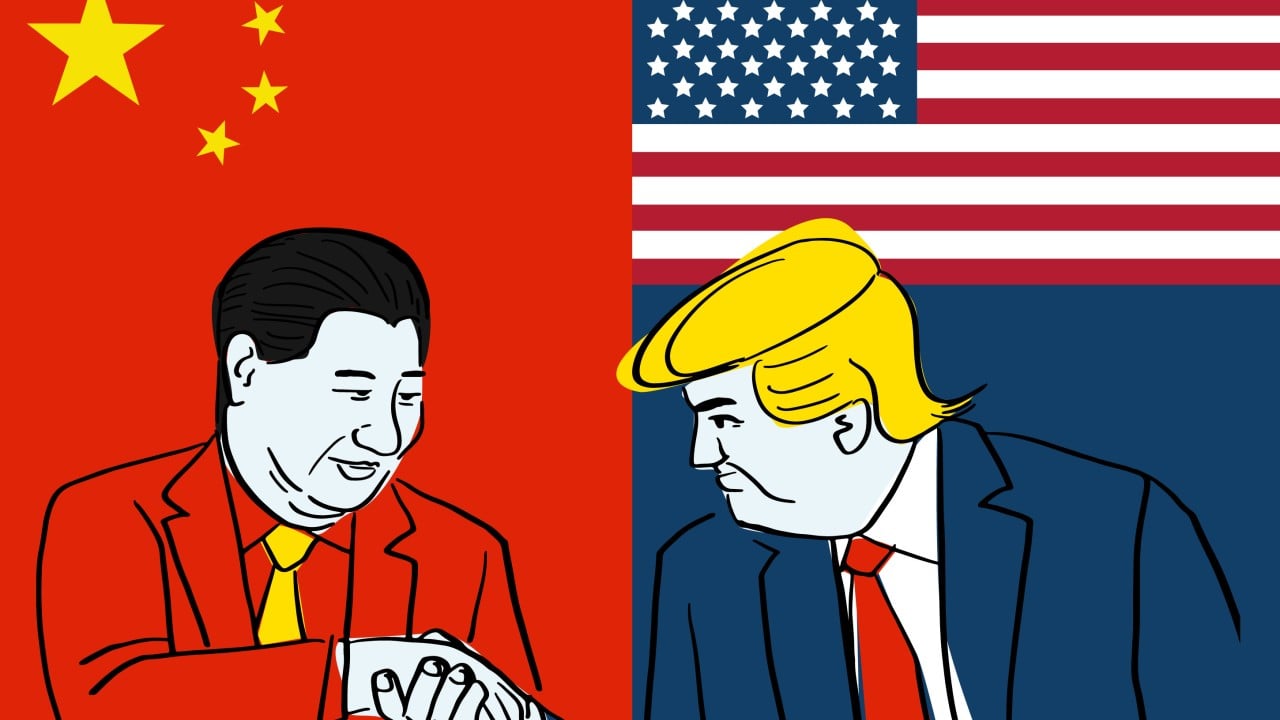
Trump’s China thaw faces resistance from Congress and his own administration
Key Points
Trump’s China thaw faces resistance from Congress and his own administration US president’s warmer tone towards Beijing has raised hopes in China, but US tariffs, export curbs and lawmakers tell a different story On a state visit to China last month, US President Donald Trump shocked his political base with a series of rhetorical concessions. In an interview, he warmly endorsed Chinese students studying in America, supported China-linked acquisition of US farmland, and dismissed concerns...
Trump’s China thaw faces resistance from Congress and his own administration
US president’s warmer tone towards Beijing has raised hopes in China, but US tariffs, export curbs and lawmakers tell a different story
On a state visit to China last month, US President Donald Trump shocked his political base with a series of rhetorical concessions. In an interview, he warmly endorsed Chinese students studying in America, supported China-linked acquisition of US farmland, and dismissed concerns over state espionage as a routine, two-way reality.
While Trump’s warmer rhetoric has raised hopes in Beijing, his government continues to pursue the restrictive policies that define Washington’s broader China strategy, raising questions about the durability of the truce between Washington and Beijing.
Some experts say that Trump’s musings highlighted a purely transactional approach towards China, resulting in a verbal positivity that rarely translates into major policy shifts. However, others argue that his tone reflects a growing appetite for a less adversarial relationship with Beijing, which creates an opportunity to restabilise bilateral ties.
“Converting Trump’s positivity into actual policy changes is a very different thing that will run up against a deeply institutionalised Washington consensus on China risk,” David Meale, China practice head at the Eurasia Group and the former deputy chief of mission at the US embassy in Beijing, told the South China Morning Post.
Ahead of the president’s trip to China, John Moolenaar, a Republican congressman from Michigan and chairman of the House Select Committee on China, advised the president in an interview to “recognise [that] we don’t want to sell them our best technologies that could be used by their military against our men and women in the armed forces”.