
World News
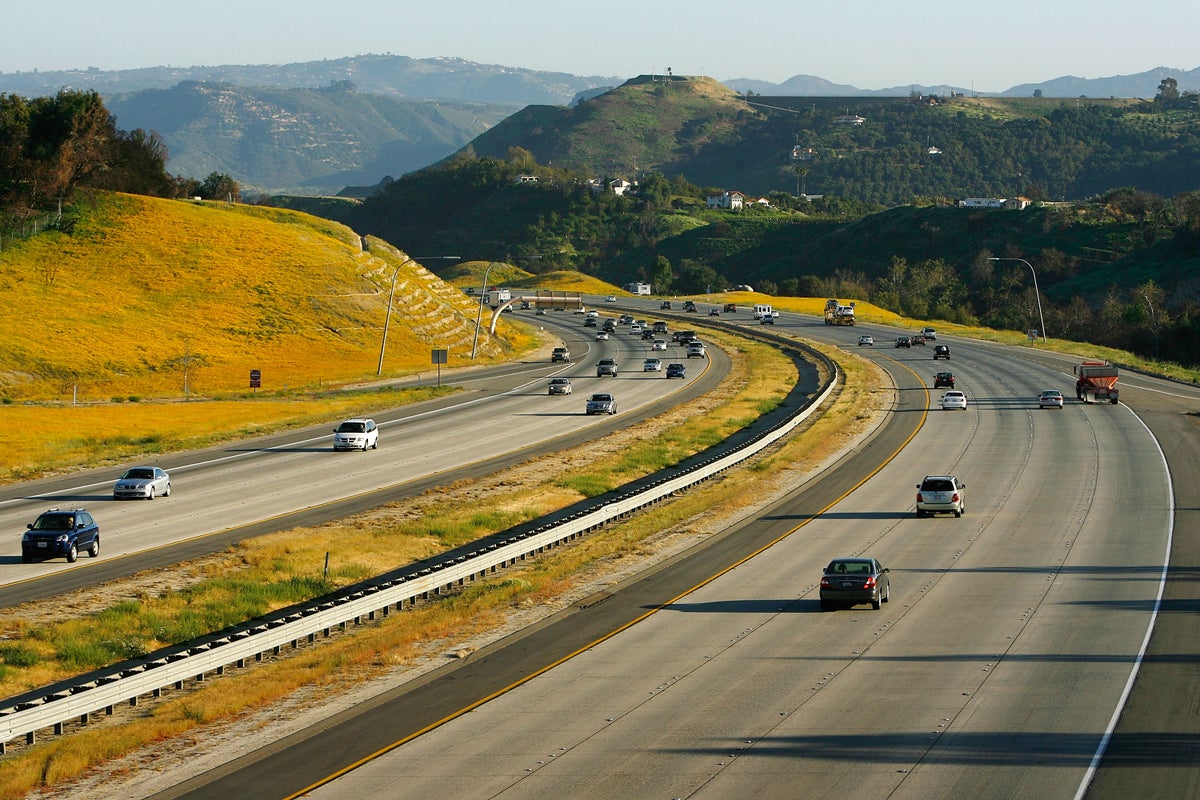
California is testing a ‘smart highway’ where algorithms determine the speed limit and when cars can enter the freeway
Key Points
California is testing a ‘smart highway’ where algorithms determine the speed limit and when cars can enter the freeway The two year pilot program costs $33 million — significantly less than it would cost to widen the freeway, officials said - Bookmark - CommentsGo to comments California transportation officials are testing a “smart freeway” that uses an algorithm to determine when cars can enter the roadway and at what speed traffic flows. Instead of spending millions to widen Interstate 15...
California is testing a ‘smart highway’ where algorithms determine the speed limit and when cars can enter the freeway
The two year pilot program costs $33 million — significantly less than it would cost to widen the freeway, officials said
- Bookmark
- CommentsGo to comments
California transportation officials are testing a “smart freeway” that uses an algorithm to determine when cars can enter the roadway and at what speed traffic flows.
Instead of spending millions to widen Interstate 15 in Southern California, the Riverside County Transportation Commission spent $33 million on a two-year pilot program that they hope will lessen traffic on the busy roadway.
The “smart freeway” launched June 1 and covers eight miles of the northbound lanes of Interstate 15 in Temecula, SFGate reported.
Meters installed at three different on-ramps use an algorithm to help control the flow of cars onto the freeway and also suggest a speed for the cars to drive when entering the freeway.
It differs from typical on-ramp stoplights, which operate on timers, because the algorithm determines the speed necessary for traffic to enter the freeway. That could mean people waiting for minutes at a light before being allowed to merge on the highway. Despite the extra wait times, officials say people will get to their destination quicker than if there was stop-and-go traffic.
Under the plan, digital speed limits will also be used to help control the flow of traffic across the highway.
The transportation commission spent $33 million on the project, which will run for two years.
The area being tested, a 10-minute drive without traffic, can take between 25 and 45 minutes during peak congestion, according to the report.
If the program is successful, the agency will work to deploy it in other traffic-heavy parts of California and across the country, Riverside County Transportation Commission spokesperson David Knudsen told the outlet.
“This system is a lot less expensive than trying to build new lanes, and so the idea here is let’s make the system that we have work better,” Knudsen said.
The program will not be managed by artificial intelligence, Knudsen said. Instead, it uses advanced sensors in the road to monitor traffic and make adjustments to when cars can enter and at what speed.
“The intent is to create a consistent flow of traffic on the freeway system, and the coordinated ramp metering among the three on-ramps…will help do that,” Knudsen said. “If we can manage that, then we can help prevent that stop-and-go traffic frustration that so many feel…on the freeway.”
Similar traffic-prevention programs have been implemented in Australia, but are much less common in the U.S., according to the report.
In Colorado, a similar system was implemented on Interstate 25 in Denver and was found to improve traffic flow, with travel times dropping about 20 percent.
Join our commenting forum
Join thought-provoking conversations, follow other Independent readers and see their replies
Comments
California (LOCATION)
Interstate 15 (LOCATION)
Southern California (LOCATION)
the Riverside County Transportation Commission (ORG)
Temecula (LOCATION)
SFGate (ORG)
Riverside County Transportation Commission (ORG)
David Knudsen (PERSON)
Knudsen (PERSON)
Australia (LOCATION)
U.S. (LOCATION)
Colorado (LOCATION)
Interstate 25 (LOCATION)
Denver (LOCATION)
Independent (ORG)