
Business & Finance
Princess Diana barrister accused of setting up ‘elaborate’ system to avoid paying £2m in tax
Key Points
Princess Diana barrister accused of setting up ‘elaborate’ system to avoid paying £2m in tax Robert Venables KC is accused of failing to properly declare his income across seven years while working as one of the country’s leading tax lawyers - Bookmark A barrister who previously worked for Princess Diana is in court for allegedly dodging nearly £2 million in tax. Robert Venables KC is accused of failing to properly declare his income across seven years while working as one of the country’s...
Princess Diana barrister accused of setting up ‘elaborate’ system to avoid paying £2m in tax
Robert Venables KC is accused of failing to properly declare his income across seven years while working as one of the country’s leading tax lawyers
- Bookmark
A barrister who previously worked for Princess Diana is in court for allegedly dodging nearly £2 million in tax.
Robert Venables KC is accused of failing to properly declare his income across seven years while working as one of the country’s leading tax lawyers.
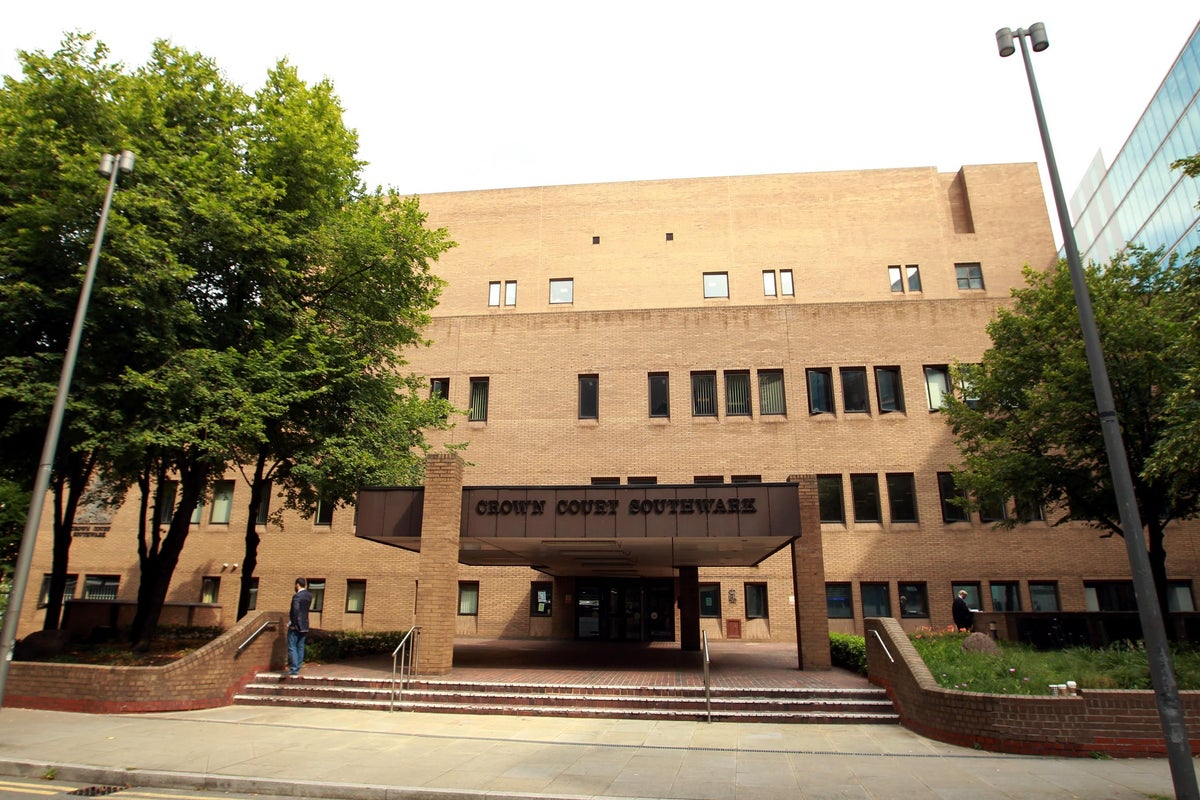
During his evidence at Southwark Crown Court, Venables took aim at “so-called specialists” within HMRC, saying: “Standards have dropped.”
Venables said he had entertainers, aristocrats, big businesses, and sports stars as clients, and revealed he had royalty on his books at times.
“After the Queen, she was the most famous woman in the world,” he said, alluding to Diana as a former client without directly using her name.
“She was killed in a car crash in Paris.”
Venables faces three charges of tax evasion over his annual statements of his earnings, and is accused of setting up an “elaborate” system for his income as a barrister which meant he did not pay tax on part of the earnings.
Giving evidence, the barrister recalled making officials “incandescent” when he won a case in the 1980s over inheritance tax.
“They were so sure they were right, and so sure the five judges of the House of Lords had got it wrong,” he said.
Venables said he remembers officers at the old Customs and Excise agency having “little interest in the law”, while he was more impressed with the “calibre” of workers from the Inland Revenue.
He told the court he believes a 2005 merger of the two agencies was intended to raise the legal standards, but he said: “I’m afraid standards have dropped.
“Nowadays you have all sorts of so-called specialists who are quite sure they know everything about everything.
“They don’t take external advice and they don’t take internal advice.
“They are difficult to deal with, much more strong-headed, much more sure they are right, and I’m afraid the fusion of the two didn’t work out as planned.”
When the trial opened, prosecutor Julian Christopher KC said Venables had pitched himself in his career as an “adversary of HMRC”, representing taxpayers who were challenging HMRC over disputed tax bills.
Venables is on trial over his annual self-assessments to HMRC between 2014 and 2021, when it is said he “falsely declared the amount of his income for taxation purposes”.
The court heard the KC channelled his earnings through a body called the RVQC Partnership, where he was the sole earner but the profits were distributed to partners including himself, allegedly to lower his tax liability.
Money paid to his gardener and housekeeper is alleged to be part of the tax evasion.
Venables, who denies the charges, told jurors he had good relations with some at HMRC during his career, and had even made supportive suggestions about greater transparency of tax avoidance schemes.
The South Yorkshire-born lawyer, who was Oxford educated, said he came from a humble background, raising pigs, hens, and ducks in the back garden to raise extra money.
Venables told jurors he grew up in a home – which he described as a “Coronation Street house” – which was lit with candles and gas lamp, heated by an open fire, and with just one cold running water tap.
His parents “put family first”, said Venables, telling the court: “We may not have had much money but we actually didn’t feel deprived.
“I was about to start school just before my fifth birthday, and they (his parents) sat me down and said to me ‘Robert, if you want anything in life, you have to work for it’.”
Venables said he won a scholarship to go to Grammar School, and then landed a place at Merton College, Oxford to study classics.
During his university studies, he worked as a postman, waiter, barman, and in a South Yorkshire iron foundry, and he then pivoted towards law with a second two-year degree at Oxford.
He told jurors he was told during a failed bid to be taken on as a barrister in chambers that he was “a bit of a boffin” and “didn’t have the social airs and graces”.
He said he went to an NHS speech therapist to improve the clarity of his speaking, and took night classes at the City Literary Institution which “taught me how to project my voice”.
After time as an Oxford academic, he said he secured a place in Chambers and had a “meteoric rise”.
He added: “I started late, at 32, but it just went straight up.”
Venables continues his defence on Thursday. The trial continues.