
World News
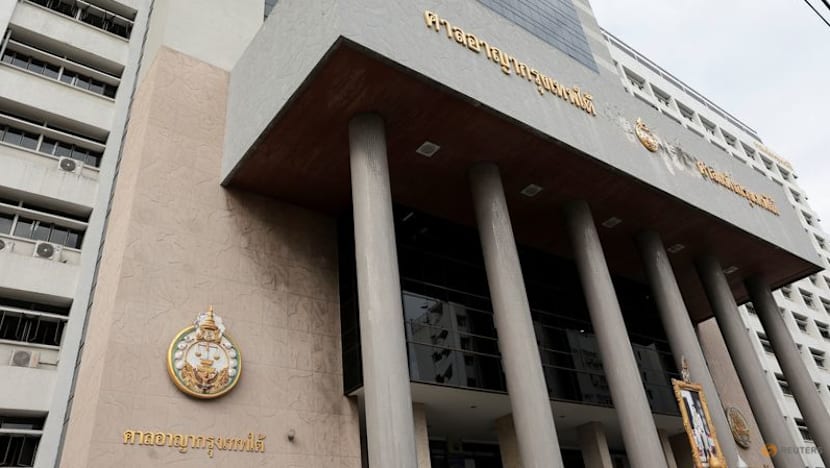
Thai court sentences two Uyghur men to death for 2015 Bangkok bombing
Key Points
Thai court sentences two Uyghur men to death for 2015 Bangkok bombing The explosion, which killed 20 people including a Singaporean, occurred at the Erawan Shrine in the centre of Bangkok, an area popular with foreign tourists. BANGKOK: A Thai court handed out death sentences on Thursday (Jun 11) to two ethnic Uyghur men from the northwestern Chinese region of Xinjiang for a 2015 bombing in the centre of Bangkok that killed 20 people including a Singaporean, according to a court statement....
Thai court sentences two Uyghur men to death for 2015 Bangkok bombing
The explosion, which killed 20 people including a Singaporean, occurred at the Erawan Shrine in the centre of Bangkok, an area popular with foreign tourists.
BANGKOK: A Thai court handed out death sentences on Thursday (Jun 11) to two ethnic Uyghur men from the northwestern Chinese region of Xinjiang for a 2015 bombing in the centre of Bangkok that killed 20 people including a Singaporean, according to a court statement.
The explosion occurred at the Erawan Shrine in the centre of Bangkok, an area popular with foreign tourists. As well as the 20 people killed, another 120 were injured. Five of the dead were from mainland China, and two were from Hong Kong.
"The actions of both defendants constitute multiple separate offences," the court statement said, adding that the sentence included punishment for the charge of premeditated murder, which resulted in the death penalty.
Both of the accused will appeal the sentence within a month, a lawyer for one of the men, Choochat Kanpai, told reporters.
No group claimed responsibility for the bombing, but security experts say it was an act of retaliation against the forced deportation of more than 100 Uyghurs from Thailand in the previous month.
Uyghurs, who are mostly Muslim, say they flee China's northwestern Xinjiang region due to persecution. Beijing rejects the claims.
China has faced criticism for the perceived tough restrictions it has imposed on religious and cultural freedoms in Xinjiang, where the majority of Uyghurs live.
The two suspects have denied the charges.
The case has taken more than 10 years to reach trial, with prosecutors collecting evidence from hundreds of witnesses. They also struggled to find an appropriate interpreter for the suspects.
Last year, Thailand deported another 40 Uyghurs back to China, defying calls from United Nations human rights experts who said they would be at risk of torture, ill-treatment and "irreparable harm" if returned.