
World News
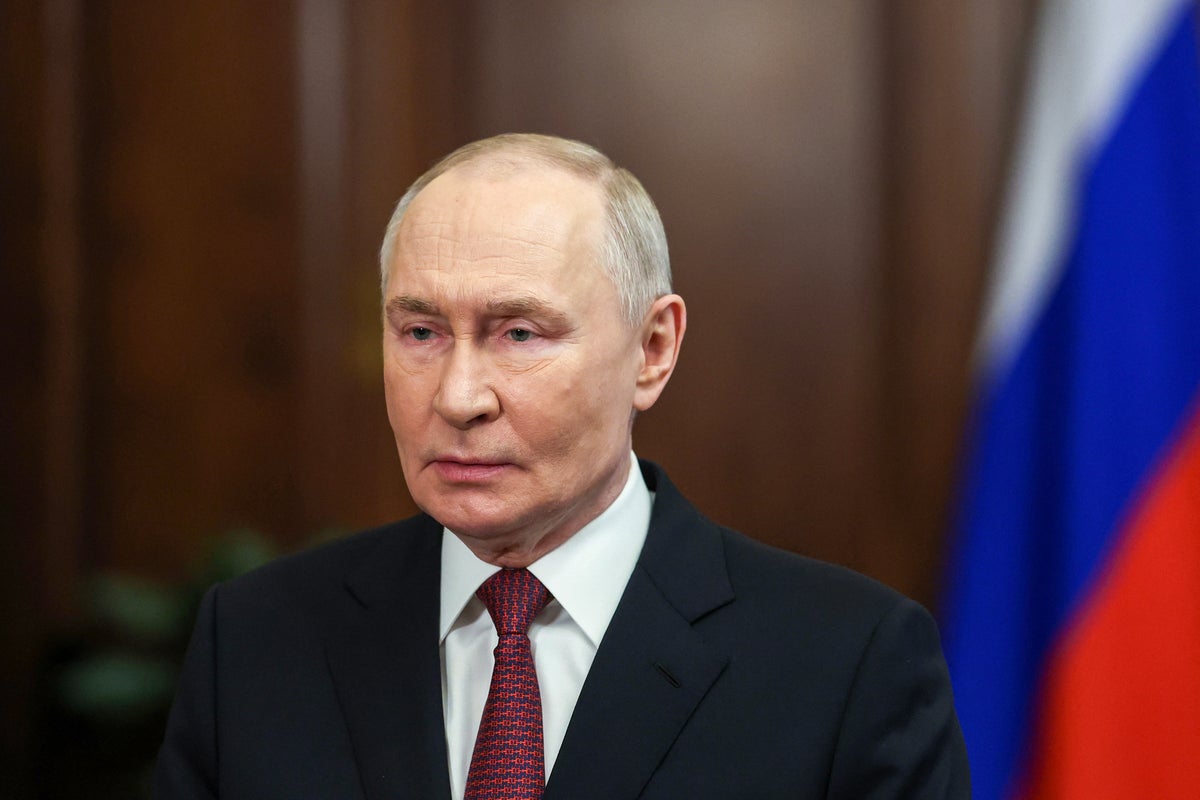
Why a bleak poll on Russia’s economy spells bad news for Putin as war in Ukraine bites
Key Points
Why a bleak poll on Russia’s economy spells bad news for Putin as war in Ukraine bites As Ukrainian attacks on Russian energy infrastructure and EU sanctions take their toll, Russian citizens are increasingly feeling the squeeze - Bookmark - CommentsGo to comments Russian citizens are growing increasingly critical of Putin’s economic policies, new polling has found, as Ukrainian attacks and European sanctions continue to squeeze Moscow’s finances. Poorer Russians tend to be more critical of...
Why a bleak poll on Russia’s economy spells bad news for Putin as war in Ukraine bites
As Ukrainian attacks on Russian energy infrastructure and EU sanctions take their toll, Russian citizens are increasingly feeling the squeeze
- Bookmark
- CommentsGo to comments
Russian citizens are growing increasingly critical of Putin’s economic policies, new polling has found, as Ukrainian attacks and European sanctions continue to squeeze Moscow’s finances.
Poorer Russians tend to be more critical of economic policies, while wealthier citizens tend to be more loyal to the regime, the study found.
One third of Russians have a negative view of how Vladimir Putin’s economic policies are impacting the economy, compared to 15 per cent that believe his policies are having a positive effect, according to new polling by NEST Centre. More than one third of respondents believe the economy has deteriorated in the past three months, while one in five have a negative overall assessment of the state of the economy.
“Poorer citizens with fixed incomes, voters aged 45-65, and those who get their news from social media are forming the bulk of the discontent,” said Sergey Aleksashenko, head of economics at NEST Centre and Russia’s deputy finance minister from 1993 to 1995.
Since its full-scale invasion of Ukraine, Moscow has dramatically scaled up its defence spending to 40 per cent of the federal budget, with military spending reaching historic post-Cold War highs, a heavily distorted economy which funnels resources towards the military-industrial complex and away from civilian sectors.
“So far, Putin has been successful in shielding the public from the impacts of the Ukraine War, but sustained economic decline will make this harder.”
Kyiv has been scaling up its attacks on Russian oil refineries and ports as it looks to inflict further damage on Moscow’s oil-led economy, forcing Putin to divert more resources from elsewhere and taking a direct toll on ordinary Russians.
The most favourable view on the economy came from citizens aged 18 to 24 (82:18 positive-to-negative ratio), Moscow residents (67:33), high-income respondents (74:26), and consumers of traditional media including television, radio and newspapers.
Respondents with low living standards (34:66), those aged 45-65 (55:45) and respondents who consume non-traditional media including YouTube channels (33:67) held the least favourable opinions of the economy.
Russians also have more of a negative attitude when asked how the economy has changed in the past three months, with 18 per cent believing it had improved while 36 per cent stated it had deteriorated somewhat or significantly.
“Official figures show that satisfaction with Russia’s economic policy has turned negative for the first time since 2022, and is currently on the level of other significant moments of upheaval in recent Russian history, such as the COVID-19 pandemic and the controversial 2018 pension reforms,” Mr Aleksashenko, who also served as the deputy chairman of the Russian Central Bank, said.
But economic discontent is unlikely to prompt significant fear within the Kremlin, he added.
“They see this as public grumbling rather than anything more serious, and Putin has been able to recover from similar economic positions in the past.
“Discontent is also yet to turn into a serious message to the Government. There is no coherent call for a change in approach, let alone regime change, that would make the Kremlin nervous.”
Mr Aleksashenko says, dissatisfaction over the economy will “add to a cumulative sense of decline that puts pressure on Putin and his government”, a trend that he says will “increase chances of mistakes”.
Join our commenting forum
Join thought-provoking conversations, follow other Independent readers and see their replies
Comments