
World News
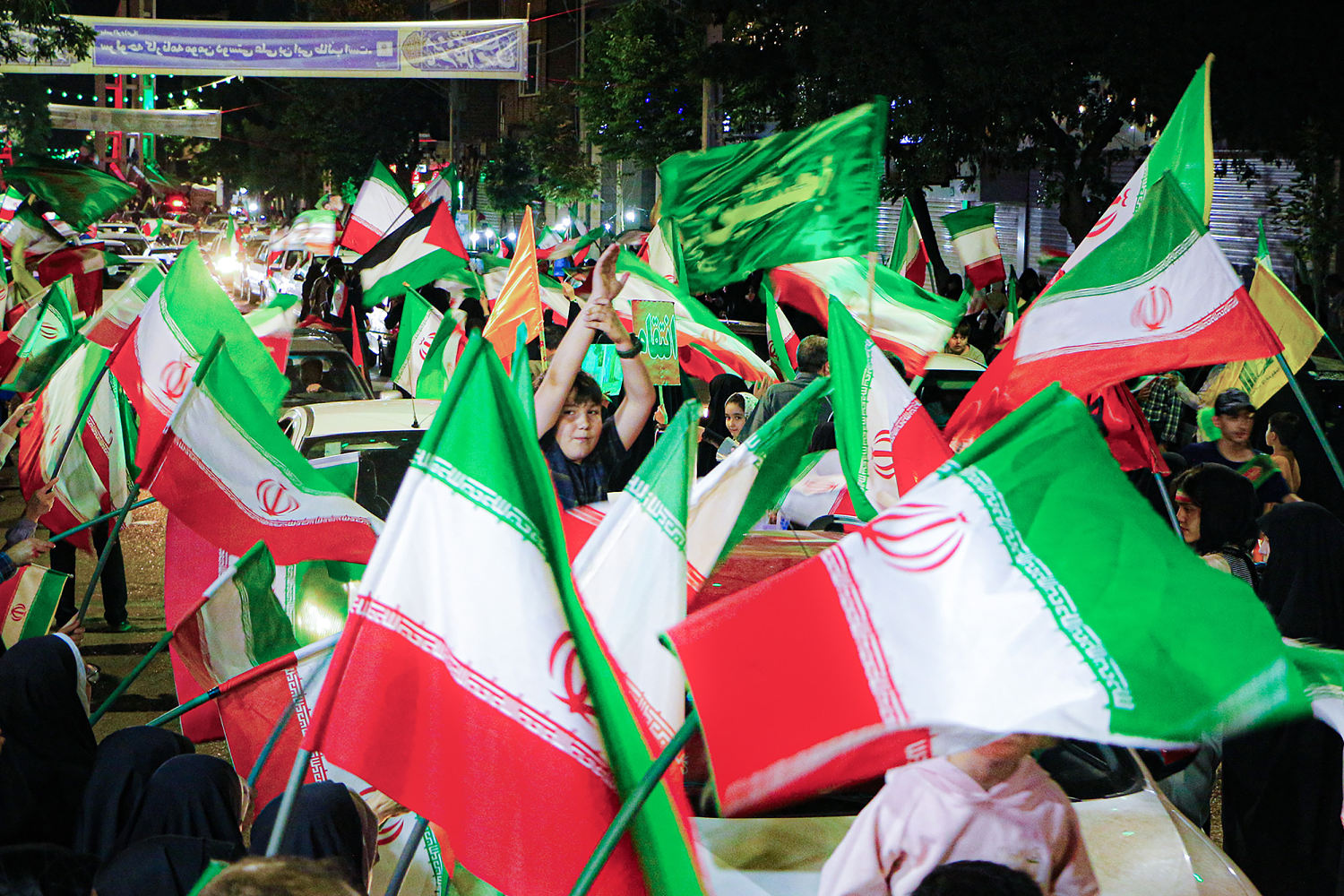
In Iran, hopes and fears over what’s next as deal framework reached with U.S.
Key Points
TEHRAN, Iran — The news felt like a wave of relief after weeks of counterclaims and strikes. Still, psychology professor Ebrahim Mohammadi said he and other Iranians were “all worried about what comes next” after their country and the United States finally agreed to a framework deal to end the war. “Every day, we wake up listening to Trump,” Mohammadi, 61, told NBC News in a phone interview.
TEHRAN, Iran — The news felt like a wave of relief after weeks of counterclaims and strikes.
Still, psychology professor Ebrahim Mohammadi said he and other Iranians were “all worried about what comes next” after their country and the United States finally agreed to a framework deal to end the war.
“Every day, we wake up listening to Trump,” Mohammadi, 61, told NBC News in a phone interview. “And our lives can go up or down based on what is said,” added the professor, whose home in Tehran was damaged by an Israeli strike during the war.
The deal, expected to be signed Friday, is aimed in part at reopening the Strait of Hormuz. The waterway’s effective closure by Iran has sent energy prices soaring and markets tumbling since the U.S. and Israel launched the war in late February.
Mohammadi said he felt optimistic as he watched the Iranian rial already gain value against the U.S. dollar.
“It shows how quickly things can affect the economy,” the father of two said.
He said he earns the equivalent of around $200 a month, and that he hoped living conditions in Iran would now improve.
“Just the news itself had this impact,” he said. “Imagine what could happen if we actually saw real results.”
Iran’s economy, long struggling under heavy sanctions, has been hit hard by the war. Many workers have lost their jobs, while a government-imposed internet blackout also disrupted business for much of the war.
Tehran has made the unfreezing of its assets a key demand in talks, hoping for relief months after unrest that was fueled in part by economic dissatisfaction.
“I’m not hopeful it will lead to a lasting peace,” Kaveh Ahmadi, who lives between Tehran and northern Iran and works in industrial photography, said in a separate interview with NBC News on Monday.
Ahmadi, a 43-year-old father of one, has spent much of his time with his family in the north during the war to escape the sound of “nonstop bombings.”
Despite his skepticism, he said he hoped a deal could at least help the Iranian economy after months of rising prices for consumers.
“Everything has gone up, so maybe a peace deal, even short-term, can at least stabilize prices,” he said.
Abdullah Mohammadi, another resident of Tehran, said he was also “not optimistic” about the prospects of the deal.
The U.S., he told The Associated Press news agency, has “proven in the past” that it is “not fully committed” to deals, he said, referencing Trump’s withdrawal from the landmark 2015 Iranian nuclear deal.
Sanam Vakil, director of the Middle East and North Africa program at the London-based think tank Chatham House, said Iranians were right to be cautious.
As it stands, Vakil emphasized in a phone interview Monday morning, the framework deal exists as a memorandum of understanding, or MOU, with a peace agreement yet to be signed.
“It’s the beginning of maybe a process that will get us a final deal, but I think we should be quite cautious,” she said. “We should be prepared for hiccups.”
The MOU, which includes 14 points, according to the Iranian state-affiliated Mehr News, leaves some key issues unresolved, setting up the stage for future tensions.
Among those potential issues are Iran’s stockpile of highly enriched uranium, a key sticking point in talks.
Another is Lebanon, a priority for Tehran.
The conflict there is an integral part of the agreement with the U.S., the Iranian Foreign Ministry said Monday. Israeli Defense Minister Israel Katz said that the country’s forces would maintain a presence in territory seized in the country.
With Hormuz traffic stalled, the U.S. imposed a maritime blockade in an effort to impose more pain on the Iranian economy. Both crises are due to be lifted as part of the new deal, but it remains to be seen whether a stable long-term resolution can be achieved.
Mohammadi said he remained hopeful that “some good comes from all of this” in Iran if the economy starts to recover under the peace deal.
“If the government wants to, it can deliver,” he said. “I hope they think about the people now and move away from conflict and warmongering.”
Amin Khodadadi reported from Tehran, and Chantal Da Silva reported from London.