
World News
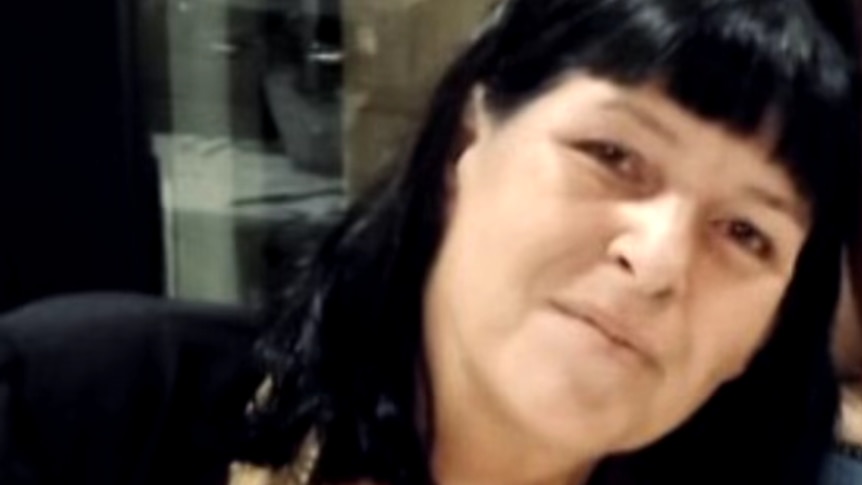
Police watchdog set to deliver findings on response to woman's bashing death
Key Points
NSW Police watchdog to deliver findings into response to Lindy Lucena's death Tue 16 Jun 2026 at 6:02am In short: The police watchdog is set to deliver its findings into the police response to Lindy Lucena's death on January 3, 2023. Ms Lucena was killed after being beaten by her abusive partner and left behind a Salvation Army building.
NSW Police watchdog to deliver findings into response to Lindy Lucena's death
Tue 16 Jun 2026 at 6:02am
In short:
The police watchdog is set to deliver its findings into the police response to Lindy Lucena's death on January 3, 2023.
Ms Lucena was killed after being beaten by her abusive partner and left behind a Salvation Army building.
Her family have demanded scrutiny of the police response, including why officers did not leave their patrol car and delayed action to a Triple Zero call.
More than three years after Ballina mother Lindy Lucena was beaten to death by her abusive partner, the NSW police watchdog will hand down its report into what lessons should be learned from her case.
Ms Lucena's family have spent the better part of those three years calling for her case to be scrutinised, speaking exclusively to the ABC about how they believe police and the justice system let her down.
On the night Lindy Lucena was beaten to death by her abusive partner, Robert Huber, a witness called Triple Zero (000) to report "a man was bashing the hell out of this woman" at the property where her body was later found.
The call was categorised by the dispatcher as a "concern for welfare" report, rather than the higher category of assault.
Police took almost an hour to respond to the call and when officers did attend the scene, they did not get out of their patrol cars to investigate.
Her body was found several hours later when Huber led police back to the scene himself.
NSW Police maintained its response on the night of January 3, 2023, was "appropriate", despite a Supreme Court judge finding it was "likely" Ms Lucena was lying just metres from where that patrol car drove past, badly injured or already dead.
Family calls for scrutiny of police response
Ms Lucena's sister Julie Viney was the first of her family members to speak out soon after her sister was killed, calling for a coronial inquest into the case.
That coronial inquest has since been announced, but Ms Viney did not live long enough to see her calls answered.
She died from a sudden illness in 2024 before the Law Enforcement Conduct Commission announced they had launched an inquiry into the case in response to ABC reporting on the case.
Ms Lucena's daughter, who wishes to remain unidentified, has since become the voice for her mother, telling ABC News she believed her mother could have been saved if the officers had taken the Triple Zero call more seriously.
"If the NSW Police response had been in a timely manner to match the level of severity of what was happening, it's fair to say my mum could still be alive," she told ABC News last year.
"We have to try and avoid situations like this happening again to anyone else."
The coronial inquest cannot go ahead until after the criminal court appeals process is finalised, but the LECC held a public inquiry into the case in December.
The hearings examined several issues in the case, including the delayed police response to the Triple Zero call and the actions of the officers when they did arrive on the scene.
It also considered the nature of how the Triple Zero call was communicated to the officers on the ground.
One of the most significant questions raised by the LECC was whether the case should have been declared a critical incident investigation.
NSW Police can call a critical incident investigation when the force's response to a job is deemed inappropriate and leads to death or serious injury.
It can also be declared when the police commissioner considers it to be in the public interest or when an "incident could attract significant attention, interest or criticism".
'A missed opportunity'
Following the public hearings in December, the counsel assisting the LECC Emma Sullivan published her submissions and proposed recommendations.
Ms Sullivan noted in her submissions that the question of the manner and cause of Ms Lucena's death would be examined in the coronial inquest and was not the role of the LECC.
She wrote that the officers' failure to get out of their patrol cars was ultimately "a missed opportunity to conduct a thorough search of the nominated address" but wrote "it cannot be said that had such a search been undertaken, Ms Lucena's life would have been saved".
She found no evidence of misconduct by the responding police officers but wrote that "systems issues and areas for potential for improvement" were identified.
The first of her proposed recommendations involved an "urgent review" of the dispatch system, which conveys Triple Zero calls to police officers, and the adequacy of resourcing in the Newcastle centre.
The second and third is that NSW Police provide more training for its most senior officers in relation to declaring critical incidents and that it reviews critical incident guidelines.
The fourth recommends NSW Police enable the Professional Standards Command to oversee critical incidents to ensure "consistency in decision-making" and provide a "form of quality assurance".
'Unfair public attack'
Legal counsel for the NSW police Commissioner Mal Lanyon then pre-emptively rejected Ms Sullivan's submissions before the LECC had delivered its findings.
In a submission to the LECC in February, barrister Tim Smartt referenced an ABC News article on the case from July 2025 and argued the officers had been subjected to an "unfair public attack".
His submission claimed the LECC "need not and therefore should not consider the adequacy of the search performed by the officers" and if it does, it should find "the search was adequate, given the information they had".
His submission also dismissed the proposed recommendations.