
Environment
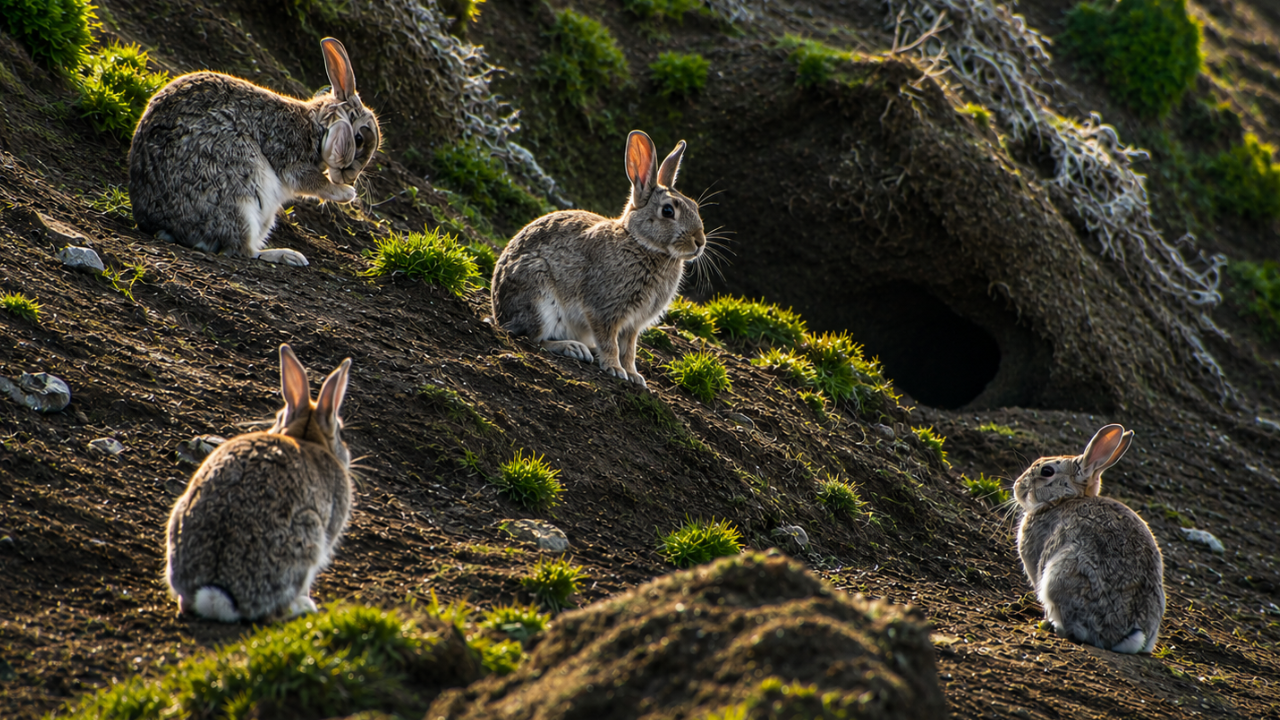
Rabbits were released on this island for food, but they nearly destroyed the ecosystem
Key Points
For most people, rabbits are harmless creatures associated with gardens, pets and children's stories. But on Australia's remote Macquarie Island, they became one of the most destructive invasive species ever introduced. The animals were deliberately released in 1878 to provide a reliable food source for sealers and sailors visiting the isolated subantarctic island.
For most people, rabbits are harmless creatures associated with gardens, pets and children's stories. But on Australia's remote Macquarie Island, they became one of the most destructive invasive species ever introduced. The animals were deliberately released in 1878 to provide a reliable food source for sealers and sailors visiting the isolated subantarctic island. What seemed like a practical solution soon spiralled into an environmental catastrophe. With no significant predators and an abundance of vegetation, the rabbit population exploded over the following decades. Their unchecked growth transformed the landscape, stripped native plants and threatened wildlife, turning a simple human decision into a conservation crisis.
Why rabbits were introduced to Macquarie Island
Macquarie Island is a remote Australian territory located roughly halfway between Tasmania and Antarctica. During the 19th century, sealers and hunters frequently visited the island, often spending extended periods there. To ensure future visitors had access to fresh meat, rabbits were intentionally released on the island in 1878.
At the time, introducing rabbits seemed like a sensible idea. Similar practices had been used elsewhere, with animals released on remote islands to serve as a food reserve.
However, little consideration was given to the long-term ecological consequences. The island's unique ecosystem had evolved in isolation and was poorly equipped to cope with the arrival of a fast-breeding mammal.
A population boom without predators
Once the rabbits became established, their numbers increased rapidly. Female rabbits can produce several litters each year, allowing populations to grow at an extraordinary rate under favourable conditions. On Macquarie Island, there were no native predators capable of controlling their numbers.
The rabbits found plenty to eat among the island's lush vegetation. As the population climbed into the tens of thousands and eventually exceeded 100,000, the animals began consuming plants faster than they could regenerate. Areas that had once been covered in dense vegetation were reduced to bare ground.
How rabbits reshaped the island
The environmental damage caused by the rabbits was severe. Macquarie Island is home to unique plant communities, including giant herbaceous plants known as megaherbs. These species evolved without grazing mammals and were highly vulnerable to rabbit feeding.
As rabbits devoured vegetation, they exposed large areas of soil to the elements. Wind and rain eroded the unprotected ground, leading to landslides and widespread habitat degradation. Entire hillsides were stripped bare, dramatically altering the appearance of the island. Scientists later described the ecological impacts as among the worst caused by an invasive herbivore on an island ecosystem.
The effect on seabirds and wildlife
The consequences extended beyond plants. Macquarie Island is an important breeding site for numerous seabird species, including petrels, albatrosses and penguins. Many of these birds depend on vegetation for nesting and shelter.
As rabbit grazing destroyed plant cover, nesting habitats deteriorated. Soil erosion further damaged breeding grounds, making it harder for some species to reproduce successfully. The rabbit invasion created a cascading ecological effect, demonstrating how the introduction of a single species can disrupt an entire ecosystem.
An ambitious effort to save the island
By the late 20th century, conservationists recognised that drastic action was needed. Australia launched one of the world's largest and most ambitious invasive species eradication programmes. The project combined aerial baiting, ground hunting and specially trained detection dogs to remove rabbits and other introduced animals from the island.
The operation was expensive and logistically challenging due to the island's remote location and harsh weather conditions. However, conservationists remained committed because the long-term survival of the island's ecosystem depended on it.
A remarkable ecological recovery
The eradication programme proved successful, and by 2014 rabbits had been completely removed from Macquarie Island. The results were striking. Native vegetation began recovering at a pace that surprised many scientists. Plants returned to areas that had been heavily grazed for decades, helping stabilise soils and restore habitats.
Wildlife also benefited from the recovery. As vegetation returned, breeding conditions improved for seabirds and other native species. The island became a global example of how damaged ecosystems can rebound when invasive species are removed.
A warning from history
The story of Macquarie Island serves as a powerful reminder of the unintended consequences of introducing non-native species into isolated environments. A decision made to provide food for travellers ultimately triggered decades of environmental destruction and required millions of dollars to reverse.
Today, Macquarie Island stands as both a cautionary tale and a conservation success story. It shows how quickly ecosystems can be disrupted by human actions, but also how determined restoration efforts can help nature recover.