
Education
China study finds subsea cable-wrecking supercurrents more common than realised
Key Points
China study finds subsea cable-wrecking supercurrents more common than realised A team led by Tsinghua University says it has built a framework that could better predict and manage these powerful flows The findings, along with a framework the researchers have built for understanding the formation of turbidity currents, could help to better predict and manage these powerful flows, protecting underwater infrastructure and managing reservoirs. “Self-accelerating turbidity currents are powerful,...
China study finds subsea cable-wrecking supercurrents more common than realised
A team led by Tsinghua University says it has built a framework that could better predict and manage these powerful flows
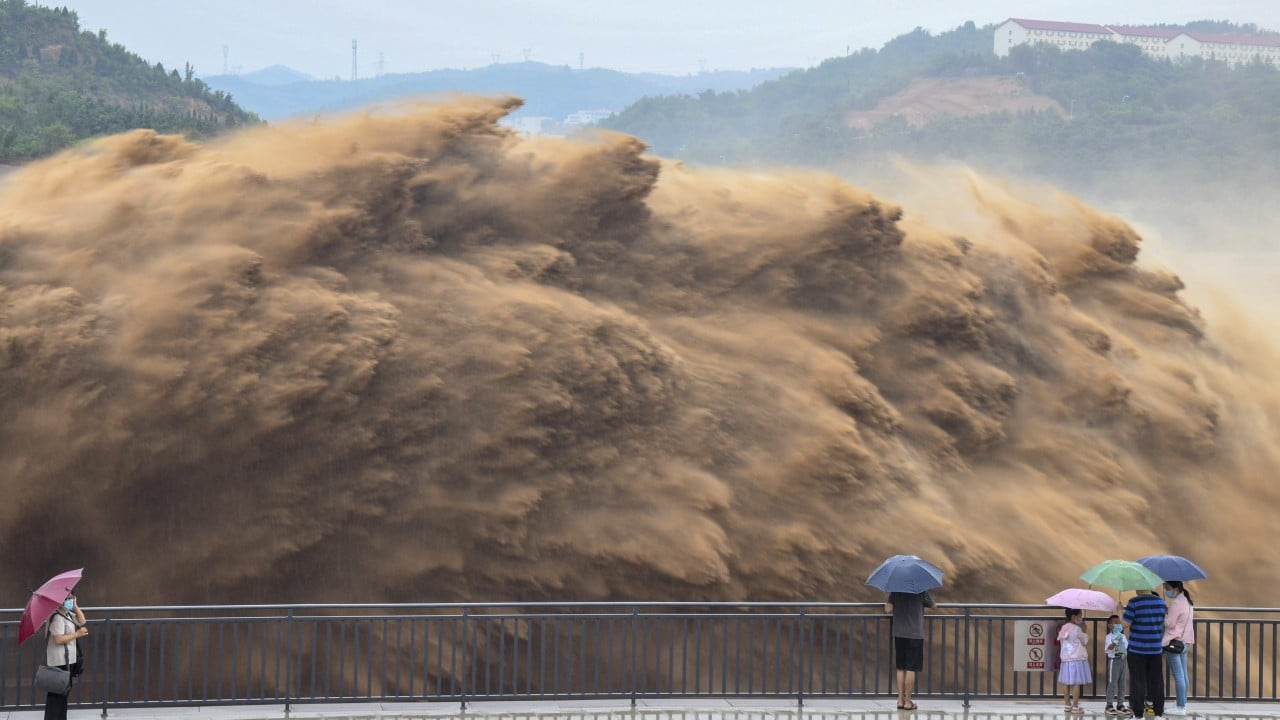
The findings, along with a framework the researchers have built for understanding the formation of turbidity currents, could help to better predict and manage these powerful flows, protecting underwater infrastructure and managing reservoirs.
“Self-accelerating turbidity currents are powerful, erosive gravity underflows that sever intercontinental telecommunication cables and reshape subaqueous landscapes,” they wrote in a paper published on May 26, by the Proceedings of the National Academy of Sciences.
“Despite success in small-scale set-ups, field observations of accelerating turbidity currents have been rare, with only a few cases primarily in submarine settings,” according to the peer-reviewed paper.
The team included researchers from the Yellow River Institute of Hydraulic Research, the University of Wyoming, the University of Illinois, Texas Tech University, Hokkaido University and Durham University.