
Technology
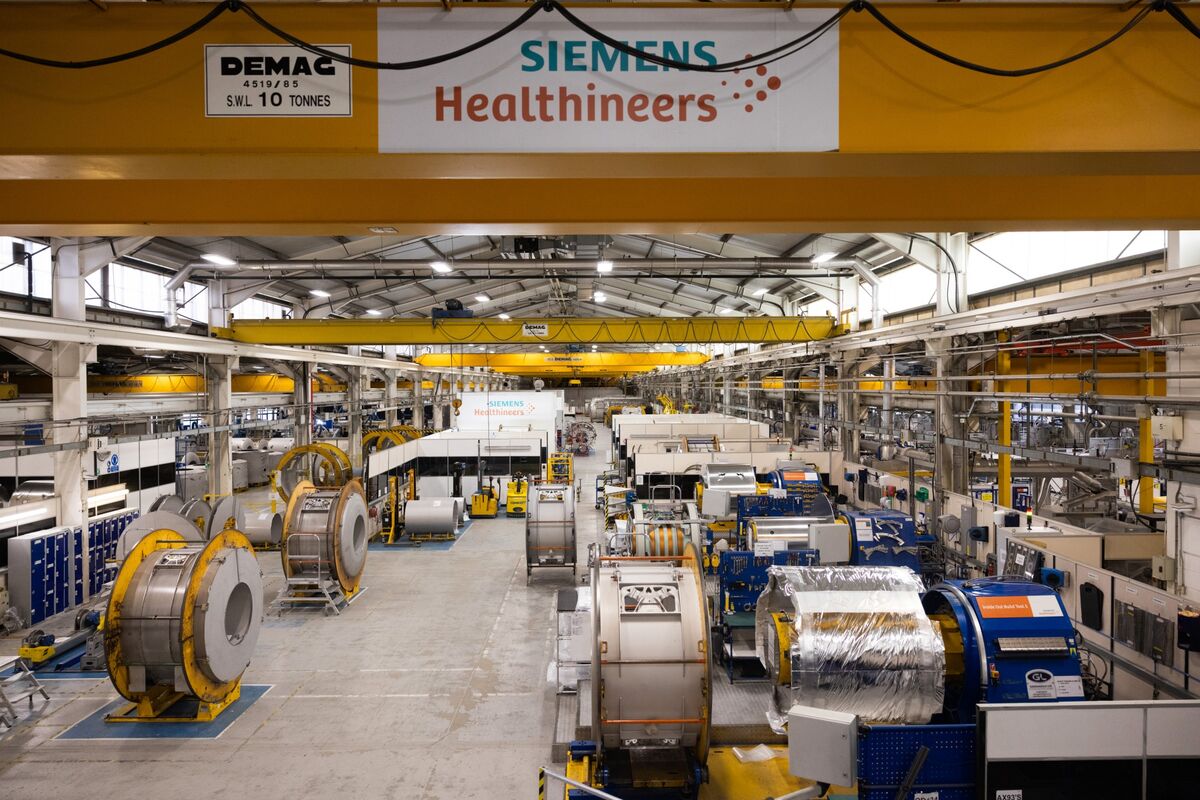
Europe Wants AI in Manufacturing Before Its Workforce Retires
Key Points
Europe Wants AI in Manufacturing Before Its Workforce Retires Welcome to Bloomberg’s AI Today newsletter. Every weekday we’ll break down artificial intelligence’s threats and opportunities for businesses, workers, finance and economies. Sign up now if you’re not already on the list.
Europe Wants AI in Manufacturing Before Its Workforce Retires
Welcome to Bloomberg’s AI Today newsletter. Every weekday we’ll break down artificial intelligence’s threats and opportunities for businesses, workers, finance and economies. Sign up now if you’re not already on the list.
Europe has spent much of the AI boom watching from the sidelines as the US and China dominate everything from advanced chips to the large language models. Without the equivalent of an Anthropic or OpenAI in the race, the region is trying to pioneer a space it thinks it can win: AI-driven manufacturing.
Europe has its advantages: It’s home to some of the world’s most advanced manufacturers, giving it access to decades of engineering expertise and troves of industrial data. Consequently, manufacturers are increasingly looking toward systems that can help design products, optimize factory floors and automate engineering work. To monitor and make improvements to the manufacturing process, companies are applying AI to products like digital twins, which are virtual replicas of machines, products and even entire production sites. The most advanced visions, pursued by the likes of Siemens, Schneider Electric and Dassault Systèmes, are AI agents capable of programming industrial equipment with minimal human intervention.
[Image text:] SIEMIENS
DEMAG
4519/85
S.W.L10 TONNES
Healthineers