
Business & Finance
US trade official takes aim at Beijing, faults Washington on industry
Key Points
US trade official takes aim at Beijing, faults Washington on industry William Kimmitt criticises trade distortions linked to China while faulting US leaders for allowing industrial decline A top US trade official took a veiled swipe at China on Thursday for a range of unfair trade practices, but also criticised the United States for being asleep at the wheel for far too long. “They subsidised, they dumped, they erected regulatory barriers, they supported state-owned enterprises, they used...
US trade official takes aim at Beijing, faults Washington on industry
William Kimmitt criticises trade distortions linked to China while faulting US leaders for allowing industrial decline
A top US trade official took a veiled swipe at China on Thursday for a range of unfair trade practices, but also criticised the United States for being asleep at the wheel for far too long.
“They subsidised, they dumped, they erected regulatory barriers, they supported state-owned enterprises, they used every tool available to build their industries and capture a greater share of the American market,” said William Kimmitt, the US under secretary of commerce for international trade, without mentioning China by name.
But he added: “Our government too often stood by and watched as American factories closed, American production moved overseas, and American workers were overlooked and forgotten. Our leaders, too often, refused to recognise that reality, or worse, simply allowed it to happen.”
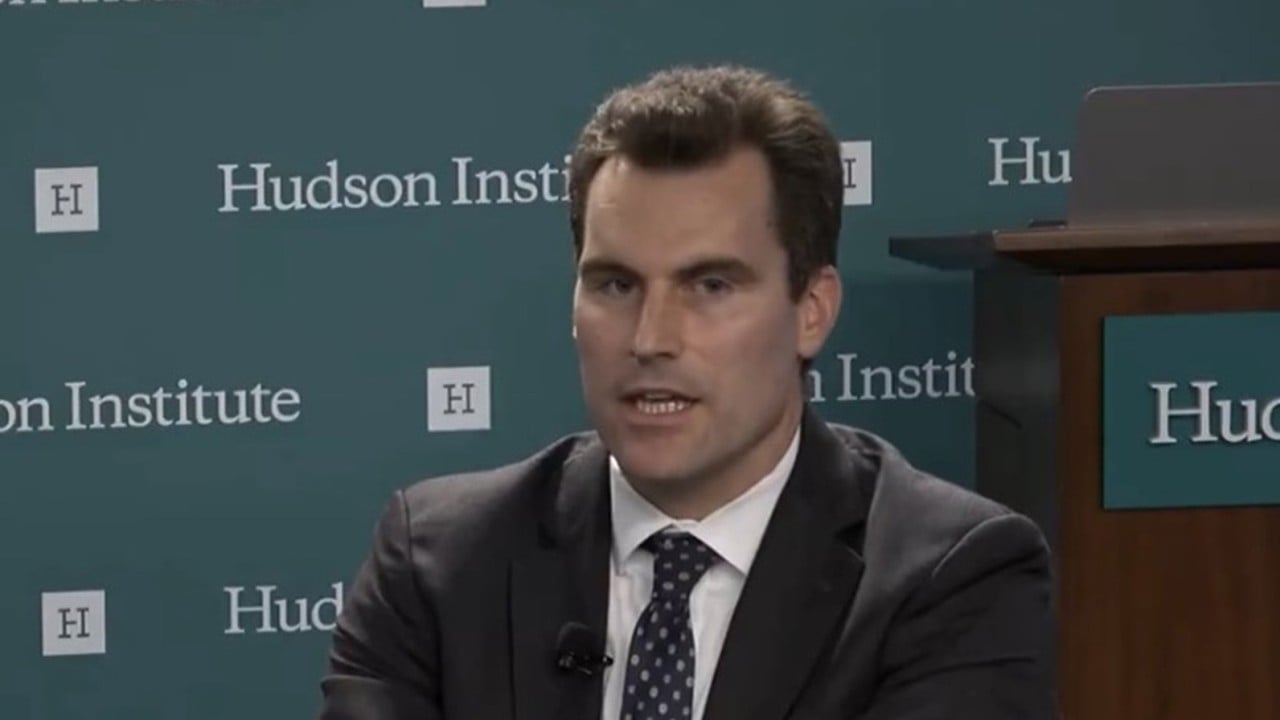
Touting the Trump administration’s “America first” trade policy, Kimmitt was speaking at the Hudson Institute, a Washington-based non-profit conservative think tank.
The policy has been a cornerstone of Trump’s second term agenda, focusing on tariffs, supply chain decoupling and recalibrating trade agreements, in the name of what it officially calls “addressing unfair and unbalanced trade”.
America needs factories, furnaces and smelters, machine tools, abundant energy, skilled workers, and companies prepared to invest for the long term, Kimmitt added.
“We need the capacity to manufacture the materials and technologies required for our economy, our infrastructure and our national defence.”