
Politics
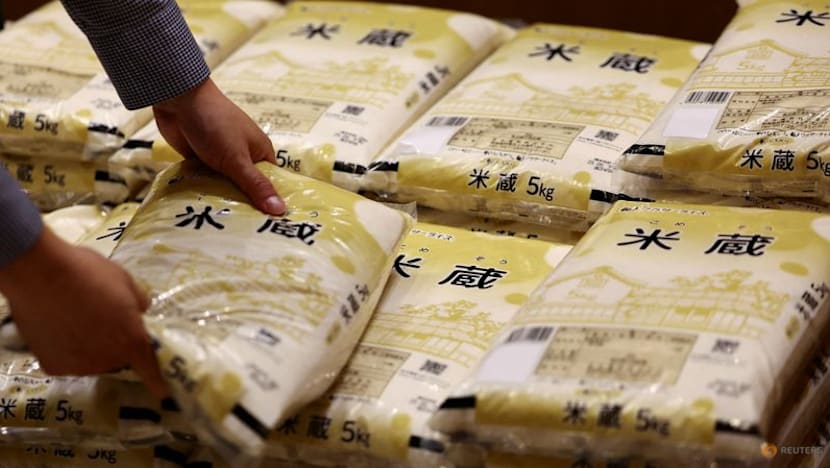
Japan rice prices fall for first time in 3.5 years
Key Points
Japan rice prices fall for first time in 3.5 years TOKYO: Rice prices in Japan finally fell in May for the first time in three and a half years, a government official said Friday (Jun 19), following sharp rises for the staple that put the government under huge pressure. Rice prices skyrocketed in 2024 and 2025 because of supply problems linked to multiple factors, including hot weather and panic-buying after a "megaquake" warning two years ago.
Japan rice prices fall for first time in 3.5 years
TOKYO: Rice prices in Japan finally fell in May for the first time in three and a half years, a government official said Friday (Jun 19), following sharp rises for the staple that put the government under huge pressure.
Rice prices skyrocketed in 2024 and 2025 because of supply problems linked to multiple factors, including hot weather and panic-buying after a "megaquake" warning two years ago.
Combined with falling living standards and corruption scandals, this led to voters deserting the ruling party and Shigeru Ishiba's resignation in September after less than a year as prime minister.
Rice prices, excluding the luxury koshihikari variety, were 5.4 per cent lower in May than a year earlier, the first drop since November 2022, an internal affairs ministry official in charge of inflation data told AFP.
The government, now headed by popular Prime Minister Sanae Takaichi, took various measures to bring prices down, including by releasing emergency stockpiles of the grain.
Tokyo resident Jun Hongo said the decrease was "a huge help", although he still found rice costly.
"The other day ... I saw a 10-kilogram bag of rice in the 4,000-yen (US$25) range for the first time in a long time, so I grabbed it immediately," the 48-year-old house husband said.
"But prices are still expensive compared with a few years ago," he added.
"They keep blaming the so-called supply chain crunch, but I really wish they will investigate the root cause of all this and make sure prices will stabilise without another massive jump."
A mosaic of factors lay behind the shortages, including an intensely hot and dry summer in 2023 that damaged harvests nationwide.
After that, some traders began hoarding rice in a bid to boost their profits down the line, according to experts.
The issue was made worse by panic-buying prompted by a government warning about a potential "megaquake" in 2024 that did not strike.
The rising price of imported food boosted demand for domestic rice, while record numbers of tourists were also blamed for a spike in consumption.
But analysts also blamed Japan's decades-old policy of cutting rice-farming land, as well as an ageing population, with many rice farmers growing old and their children having little interest in taking over.
[Image text:] K
sise
5kg
5
5k
10
5kg
fesl
el
5kg
5
5
Jkg
REUT