
World News
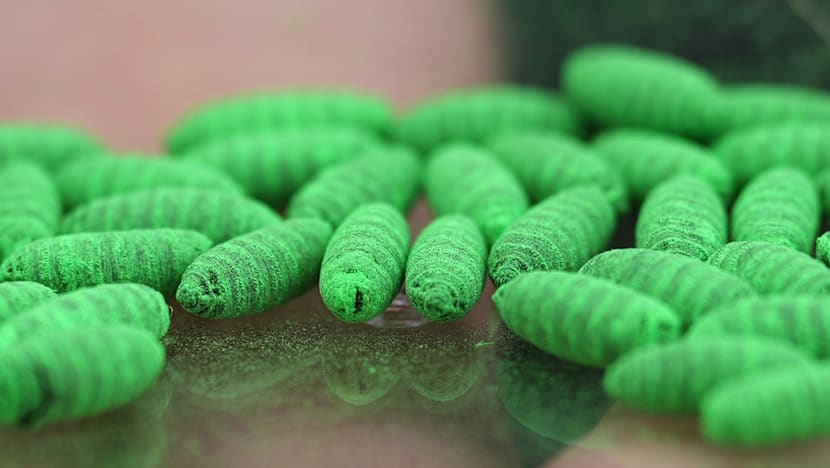
UN agencies launch $1 million project to contain screwworm outbreak
Key Points
UN agencies launch $1 million project to contain screwworm outbreak The screwworm, which can kill livestock and other warm-blooded animals by feeding on their flesh, was recently detected in the US for the first time in over 40 years PARIS: The International Atomic Energy Agency and the UN food agency have launched a US$1 million research project to help contain the screwworm outbreak in the Americas, including efforts to address a shortage of sterile flies, they said on Friday (Jun 19). The...
UN agencies launch $1 million project to contain screwworm outbreak
The screwworm, which can kill livestock and other warm-blooded animals by feeding on their flesh, was recently detected in the US for the first time in over 40 years
PARIS: The International Atomic Energy Agency and the UN food agency have launched a US$1 million research project to help contain the screwworm outbreak in the Americas, including efforts to address a shortage of sterile flies, they said on Friday (Jun 19).
The pest has re-emerged in Central America and Mexico and was confirmed in the US this month, the first occurrence there in more than 40 years, raising risks for livestock, wildlife and pets and sending beef prices to near record highs.
Female screwworm flies lay eggs in wounds on any warm-blooded animal. Once the eggs hatch, hundreds of larvae eat through living flesh, eventually killing their host if untreated.
The outbreak could be tackled through the release of flies treated with radiation to make them unable to reproduce, the agencies said. The sterile flies then mate with wild flies, reducing the population over time.
Emergency response efforts could require up to 600 million sterile flies a week, they said. The only operational facility located in Panama now produces about 100 million.
They said planned capacity in Metapa de Dominguez, Mexico, and Mission, Texas, could add up to 400 million sterile flies a week in coming years.
The sterile insect technique helped eradicate the pest from the US, Mexico and Central America in an earlier campaign, they said.