
Sport
Commentary: Was FIFA right about ticket pricing?
Key Points
Commentary: Was FIFA right about ticket pricing? FIFA's dynamic pricing system may be neither fair nor transparent, but it is proving phenomenally effective at maximising profits from the World Cup, says Juan Pablo Spinetto for Bloomberg Opinion. If you had told me that more than 70,000 effervescent football fans would pack Los Angeles’ SoFi Stadium on a Monday night to watch, ahem, New Zealand take on Iran, I’d have replied: not in a hundred years.
Commentary: Was FIFA right about ticket pricing?
FIFA's dynamic pricing system may be neither fair nor transparent, but it is proving phenomenally effective at maximising profits from the World Cup, says Juan Pablo Spinetto for Bloomberg Opinion.
MEXICO CITY: If you had told me that more than 70,000 effervescent football fans would pack Los Angeles’ SoFi Stadium on a Monday night to watch, ahem, New Zealand take on Iran, I’d have replied: not in a hundred years.
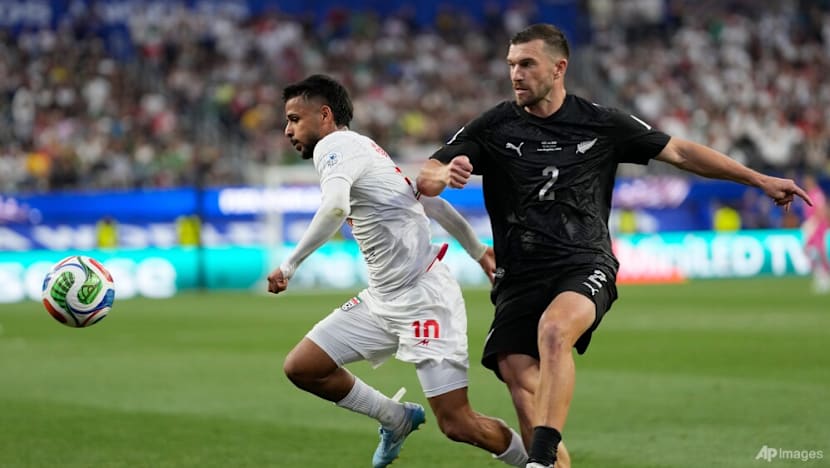
Yet that’s exactly what happened on Jun 15. Even more remarkably, ticket prices surged 23 per cent in the final three days before kickoff, pushing the get-in price on resale platforms to a whopping US$420. This, for a match between a country locked in military conflict with the US and another of just five million people on the other side of the planet. Neither team had ever advanced beyond the World Cup’s group stage, but what a thrilling 2-2 draw they gave us.
The price spike is the product of the collective frenzy unleashed by the start of the world’s biggest sporting event. As soon as the ball began to roll, many of the pre-tournament anxieties, from the heat and transportation headaches to the inevitable fatalism of some commentators, faded into the background.
One week in, supporters are hooked, stadiums are largely full, TV audiences are smashing records and resale ticket prices are soaring as fan enthusiasm gathers momentum. Nowhere is that more evident than with the US team. For months, organisers struggled to sell those matches. But after the Americans’ emphatic opening win over Paraguay, prices to see the home side have gone through the roof.
FIFA'S BIGGEST CASH MACHINE
Much as I hate to admit it, this is a major vindication for FIFA and its widely criticised dynamic pricing system. It is helping football’s governing body rake in record revenue as it pursues its goal of generating US$13 billion during the four-year cycle that ends with this tournament. The system may be neither fair nor transparent, and it’s a money grab that betrays the grassroot spirit that made football the world’s most beautiful and egalitarian game. But it’s proving phenomenally effective at maximising profits from the World Cup, FIFA’s biggest cash machine.
A non-profit organisation only in name, FIFA squeezes fans, host cities and partners for every last dollar. Quelle surprise. If anybody still doubted that football is not a moral beacon but essentially a giant enterprise - the very business of passion - they need only to look at this XXL version of the World Cup: 48 teams. 16 host cities. Three countries. Everything is enlarged, newer and more lucrative. And when demand still outpaces supply by such a margin, dynamic pricing inevitably delivers astronomical ticket prices.
That’s why FIFA needed this World Cup in the US, the world’s largest entertainment market, with Mexico and Canada playing supporting roles.
Over six million tickets on sale may sound a lot, but not when nearly 35 per cent of the globe’s private wealth is concentrated in the US, which is also home to the biggest immigrant population and diasporas from virtually every country. Add wealthy enthusiasts and hardcore fans flying in from abroad and even Jordan versus Austria in San Francisco on a Tuesday night can draw almost 70,000 people. Tickets for Cabo Verde against Saudi Arabia on Jun 26 are now changing hands for US$600 on the resale market after falling, at one point, to as little as US$8.
I am not saying this with any pleasure.
After months of failed attempts and countless hours trying to buy tickets at face value, I finally had to accept the hard truth: This is an extravagant World Cup. Whatever FIFA’s ticket-selling trickery, prices ultimately reflect overwhelming demand. Faced with the alternative of watching it from home, I ended up paying an indecent sum for the privilege of seeing Argentina defend its title in Dallas next week. And I have to confess something odd: I felt disgusted with myself the moment I pressed the “buy” button, and I still regret, at least a little, that my passion overruled every shred of financial logic.
My placebo is the hope that Lionel Messi can repeat the extraordinary hat trick he gifted Argentina and the world on Tuesday (Jun 16) night; those moments are truly priceless. And we have already had plenty of them in this World Cup, from Cabo Verde’s historic draw against tournament favourites Spain to Scottish fans rocking Boston and Times Square transformed into a football sanctuary.
That’s precisely what gives FIFA and its flamboyant president, Gianni Infantino, the market power to milk their customers.
Much as the Vatican enjoys the monopoly on soul salvation, FIFA has carte blanche to extract every profit from suckers - excuse me, I meant “fans” - like me who, in the end, unapologetically care only about catching a piece of glory on the pitch.
Credit where credit is due: FIFA may be a global organisation that everybody loves to hate, but it is also incredibly good at what it does.
Take the expansion to 48 teams in this year’s edition, heavily criticised with some reason for supposedly diluting the quality of the competition. The reality is that we would have already missed several underdogs punching above their weight. Add the game’s relentless pace thanks to timely rule tweaks, consistently outstanding television production and the stardom factor, and the result is electrifying.
We still need to see whether FIFA’s hardball tactics eventually trigger a fan backlash. There are certainly plenty of reasons to complain beyond ticket gouging: the unsporting treatment of the Iranian team, the absurd mandatory hydration breaks and President Donald Trump potentially inserting himself into the trophy ceremony, all under FIFA’s watch. I am sure you can add your own grievances.
But this is already shaping up to be a historic World Cup, perhaps even the World Cup of all World Cups. Stop fuming. Tune in and enjoy the ride.