
Education
Anxiety and app bans as sweeping cheating scandal hits Indian students
Key Points
Three years of her life had come down to this one exam. Ridhvi Saxena, 18, walked out certain she was on track to become a cardiologist. That hope was shattered when India’s testing agency said the exam she had taken on May 3 had been compromised by leaks, ordering every candidate to retake it.
Three years of her life had come down to this one exam. Ridhvi Saxena, 18, walked out certain she was on track to become a cardiologist.
That hope was shattered when India’s testing agency said the exam she had taken on May 3 had been compromised by leaks, ordering every candidate to retake it.
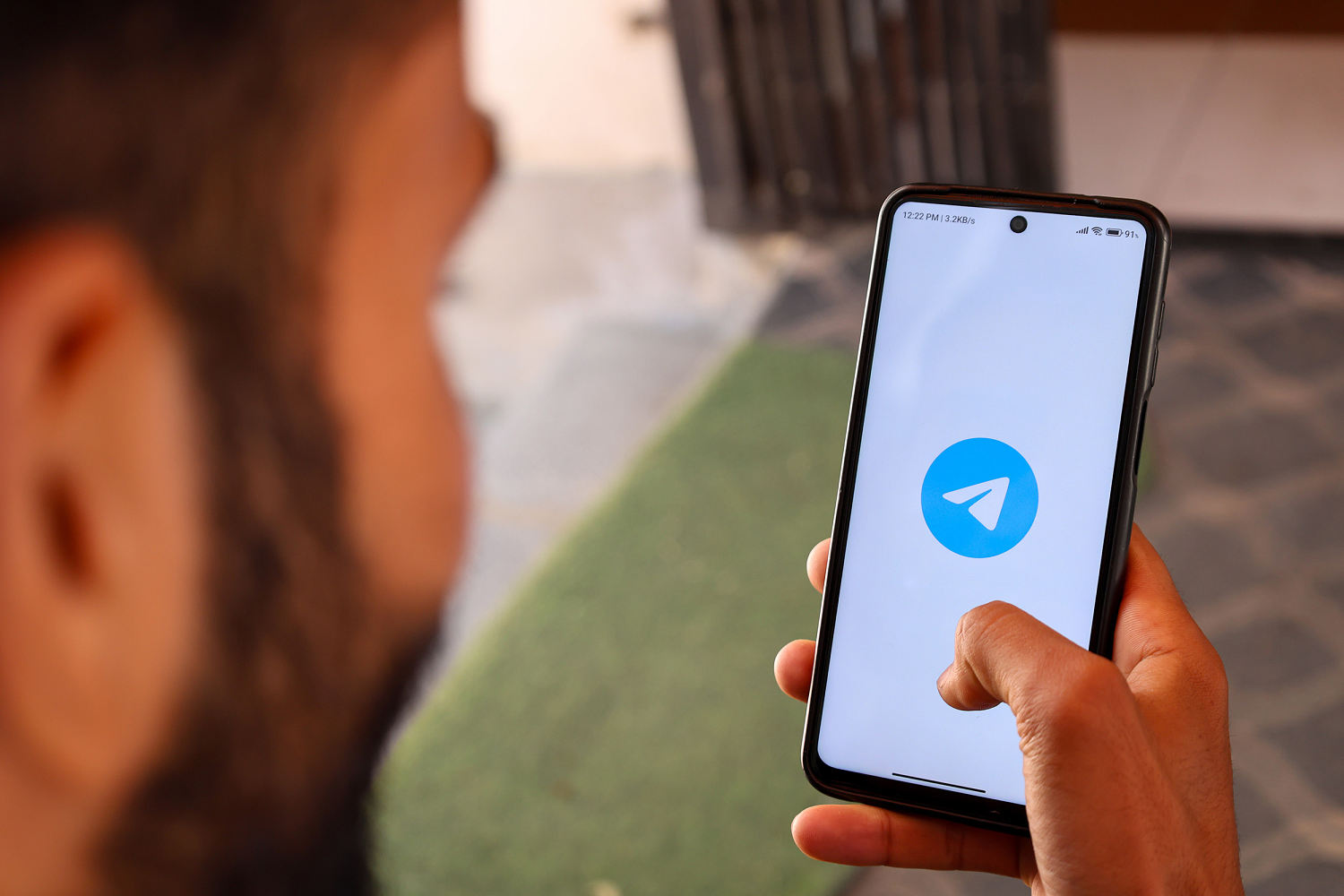
Authorities this week went further and imposed a temporary nationwide ban on the Telegram messaging app, where it said “cheating rackets” were operating openly and selling leaked papers.
“I feel very cheated on and betrayed by the system,” Saxena, a student based in the central Indian city of Bhopal, told NBC News in a phone interview.
“I was excited for college,” she said. “I was excited for so many things, but then they just put me back into the zone in which I worked so hard to get out of.”
She now feels “burnt out” and increasingly unsure of how she’ll perform on the retest, which is set for Sunday.
More than 2 million students across India took this year’s NEET undergraduate exam, the fiercely competitive gateway to India’s medical schools. The three-hour exam, which tests students on physics, chemistry and biology in a multiple-choice format, is among the country’s most punishing tests along with its engineering counterpart, the JEE, both demanding years of near-total devotion.
For millions of students like Saxena, who had already attempted the NEET last year and thought the May 3 exam was the finish line, the decision to throw out their results was crushing.
“You’ve sacrificed quality time with your family, and you’re just around four walls for these two to three years with your books. And then, when you finally get a taste of freedom, the Indian education system just lets you down,” Saxena said.
India’s Central Bureau of Investigation has opened an investigation into the leaked exam papers, and the Ministry of Electronics and Information Technology has banned Telegram nationwide until June 22, under a law that allows blocking online sites in the “interest of sovereignty and integrity of India.”
India’s National Testing Agency, which oversees the NEET, said Tuesday the ban would go a long way toward helping it “conduct safe and secure examinations.”
But Telegram founder Pavel Durov said the ban needlessly punishes the over 150 million Telegram users in the country, instead of the insiders who leaked the exam materials.
“The leaks just moved to other apps,” he said Tuesday on X.
On Friday, the Delhi High Court quashed Telegram’s appeal seeking to overturn the ban, saying the government had followed legal procedure. That has worried digital rights and free speech activists, who say that India is increasingly using its powers to silence online voices opposing the government, including ordering social media takedowns and blocking access to some accounts.
The Internet Freedom Foundation, an Indian nonprofit, said on X that the Telegram ban “sets a concerning precedent with consequences for the open internet that extend well beyond this case.”
This year has already been especially fraught for India’s education system. The high school exam board, CBSE, has faced public outrage over an electronic marking system plagued with technical glitches, during which students said answers were wrongly marked or, in some cases, answer sheets were omitted entirely. Meanwhile, teenage cybersecurity researchers have exposed what appear to be amateur technical safeguards in CBSE systems.
The scandals have led to protests in various parts of India, including demonstrations by a viral antiestablishment movement, the Cockroach Janta Party, demanding the resignation of the education minister, Dharmendra Pradhan.
While officials hope the Telegram ban will prevent any further embarrassment, students aren’t convinced it will have much effect. Those determined to access Telegram can still do so through a virtual private network, and the ban does little to address what they say is authorities’ failure to prevent the leaks in the first place. The NEET exam in 2024 also suffered from leaked questions, but no retest was ordered.
Daily registrations from India on Proton VPN jumped 120% on Wednesday after the ban was imposed, the Swiss company’s general manager, David Peterson, said Thursday on X.
“It feels like a reactive, Band-Aid solution, like the authorities are trying to sweep the problem under the rug instead of actually securing the infrastructure,” Anoop Girijesh, an 18-year-old student who also took the NEET last month, told NBC News.
“It doesn’t give us confidence; it just makes us feel like they’re trying to stop the noise rather than fixing the leaks,” he said.
The National Testing Agency, in a direct appeal to students on X Thursday, said that “robust, multi-layered safeguards have been put in place” for Sunday’s exam and that the “difficult decision” to retest was “made solely in your interest.”
But Girijesh, who, like Saxena, also took the exams last year, is not very hopeful.
“We’re expected to just perform at our best, but how can we when we’re constantly looking over our shoulders, wondering if the process we’re trusting is actually secure this time.”
The National Testing Agency and Telegram did not respond to requests for further comment.
[Image text:] 1222PM3.2KB/s
91
Indian (ORG)
Ridhvi Saxena (PERSON)
India (LOCATION)
Telegram (ORG)
Saxena (PERSON)
Bhopal (LOCATION)
NBC News (ORG)
NEET (ORG)
Central Bureau of Investigation (ORG)
the Ministry of Electronics and Information Technology (ORG)
National Testing Agency (ORG)
Pavel Durov (PERSON)
X. (PERSON)
the Delhi High Court (ORG)
The Internet Freedom Foundation (ORG)