
Education
Commentary: Is it fair that one viral video can destroy reputations and careers?
Key Points
Commentary: Is it fair that one viral video can destroy reputations and careers? When everyone is armed with a phone and a sense of injustice, our reputations are more fragile than we think, says writer Annie Tan. SINGAPORE: In late May, an irate Hong Kong principal might have popped up on your social media feed.
Commentary: Is it fair that one viral video can destroy reputations and careers?
When everyone is armed with a phone and a sense of injustice, our reputations are more fragile than we think, says writer Annie Tan.
SINGAPORE: In late May, an irate Hong Kong principal might have popped up on your social media feed.
While leading a school trip to Singapore, his bus stopped along a busy road to drop students off, obstructing traffic. Security officers instructed him to move the bus. The shouting match that ensued went viral. A few days later, the principal issued a teary video apology and resigned, but the school rejected his resignation and insisted on immediate dismissal.
It is clear that the principal never expected this brief confrontation in a foreign country to cost him his entire career and reputation.
But today, when every phone is a recording device, reputation has become radically fragile. Every viral video is scrutinised by thousands of netizens, and could potentially cause public humiliation and reputational ruin.
THE COST OF PUBLIC TRANSGRESSIONS
This used to be the burden of fame – when celebrities and public figures are under close scrutiny and every misdeed is magnified.
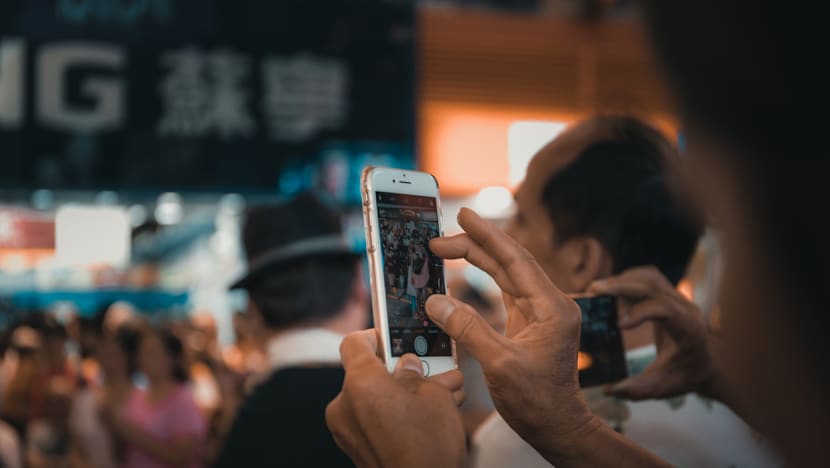
But today, ordinary folks are not spared. Surveillance comes not from tabloid reporters hiding in the bushes, but from people around us armed with mobile phones and a brimming sense of injustice.
When ordinary people hunt spectacle, every public space is fair game. A dispute between a commuter and bus captain, a passenger berating airline crew, a tourist mistreating wildlife – we film everything.
Once captured on video and reposted enough, the most ordinary person can instantly become a public figure, and the lines of privacy are completely redrawn.
Internet sleuths analyse footage frame by frame, and identify workplaces and family members. Clips are sometimes stripped of nuance and context, remixed or memeified for entertainment.
ACCOUNTABILITY VERSUS PUBLIC SHAMING
To be fair, phone footage often serves the public good as well. Cases of injustice have been brought to light by circulated videos – children being abused and cases of bullying for example.
In fact, you could say that there is a sort of democracy to viral videos. A grainy phone recording can hold powerful people accountable, protect vulnerable groups, reveal discrimination and prevent institutional cover-ups.
For instance, in 2018, viral leaks of audio recordings and CCTV footage of physical and verbal abuse of staff by entertainment lawyer Samuel Seow led to public outrage and police investigations. He was ultimately disbarred and served time in jail.
But not all viral videos expose cracks in the system, abuse of power or systemic injustice. A video can become viral simply because it reveals ordinary human ugliness or emotional dysregulation.
In such cases, when thousands or more cast themselves as jurors to a short video without much context, emotions can quickly spiral. This is especially true because audiences often project private experiences and grievances onto the viral clip, form tribes and drift into stereotyping.
From there, many will speculate on motives, diagnose mental illness and demand punishment, turning public shaming into a blood sport.
DISPROPORTIONATE CONSEQUENCES
The consequences – reputation loss and permanent searchability – can sometimes be more severe and long-lasting than what might have been meted out in a court of law. This is because, in the court of public opinion, virality is often a measure of the severity of the offence.
Take the case of the Coldplay concert scandal. After the video was watched millions of times, the head of human resources involved reported being doxxed and receiving threatening messages. She said she has been harassed and unemployable since, and even her kids are too embarrassed to be picked up from school by her.
This raises the question of whether the punishment is always proportional to the offence.
We already know that algorithms tend to push polarising content and extreme views. But how much should we let this stoke our indignance, or allow the online frenzy to morph into a witch hunt? Not every bad public moment deserves permanent reputational destruction, no matter how many views, likes and shares.
Anyone can curate their Instagram and LinkedIn profiles, and have a perfect employment record. But in the world of social media amplification, one viral transgression can outweigh years of normal behaviour and the most tearful remorse.
Annie Tan is a freelance writer based in Singapore.