
Science
Earth’s oldest asteroid impact crater may just have been found
Key Points
Earth’s oldest asteroid impact crater may just have been found Researchers date North Pole Dome in Australia’s Pilbara region to over 3 billion years ago - Bookmark - CommentsGo to comments The oldest asteroid crater on the Earth is over 3 billion years old, according to a new study that sheds more light on our planet’s earliest history. Researchers from Curtin University investigated rock formations at the North Pole Dome in the Pilbara region of Western Australia, long debated as an...
Earth’s oldest asteroid impact crater may just have been found
Researchers date North Pole Dome in Australia’s Pilbara region to over 3 billion years ago
- Bookmark
- CommentsGo to comments
The oldest asteroid crater on the Earth is over 3 billion years old, according to a new study that sheds more light on our planet’s earliest history.
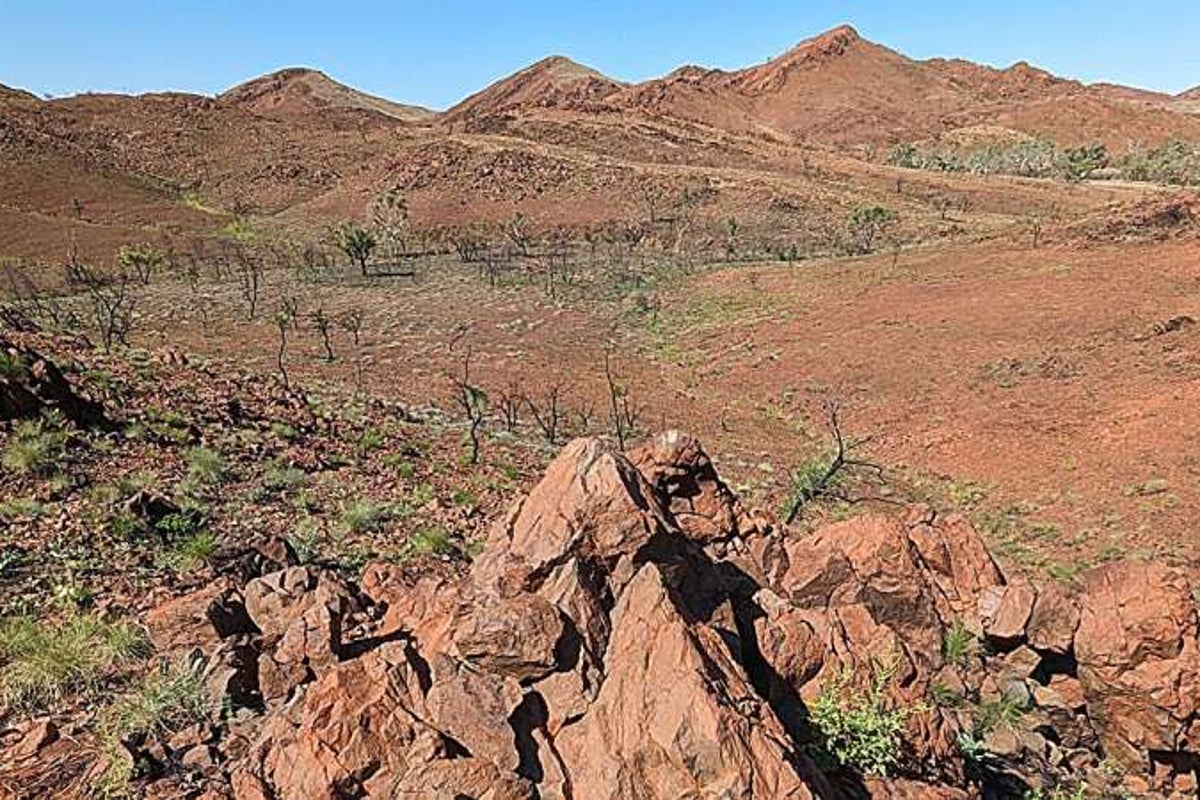
Researchers from Curtin University investigated rock formations at the North Pole Dome in the Pilbara region of Western Australia, long debated as an ancient asteroid-impact structure.
Dating geological sites that are billions of years old is incredibly difficult as they are altered over time by heat, pressure, and fluids.
In this case, researchers used advanced mineral dating techniques to date the crater and found that the impact occurred about 3 billion years ago, resolving a longstanding question.
"While the site had previously been identified as an ancient impact structure, its exact age remained uncertain," Chris Kirkland, an author of the new study published in the journal Geology, said.
"The impact left a 'mineral clock' behind. By dating minerals that were remade or newly grown in the damaged rocks, we can now pin down when this extraordinary event happened.”
Researchers could precisely estimate the formation’s age by analysing the presence of the mineral zircon.
They found that some zircon formations had unusual branching, skeletal shapes, which were likely modified by an asteroid impact. They were partly recrystallised and in some places regrown by the intense heating caused by the impact.
“These zircon crystals record an event about 3 billion years ago, which we believe is the best estimate for the impact,” Dr Kirkland said.
To confirm the result, researchers analysed a second mineral, apatite, which formed as hot fluids moved through the shock-damaged rocks.
Dating this mineral produced the same result.
“The agreement between two different mineral systems gives us confidence that we are seeing the signature of a single major event – a meteorite impact," Dr Kirkland said.
"The new age places the North Pole Dome structure as Earth's oldest known impact crater and the only recognised example from the Archean eon, a time when the planet's earliest continents were forming.”
The latest finding makes the Pilbara crater the oldest on the planet, thereby pushing the Earth's impact record deeper into geological time.
This offers a “rare glimpse of the violent processes that shaped the early Earth”, Dr Kirkland concluded.
Join our commenting forum
Join thought-provoking conversations, follow other Independent readers and see their replies
Comments