
World News
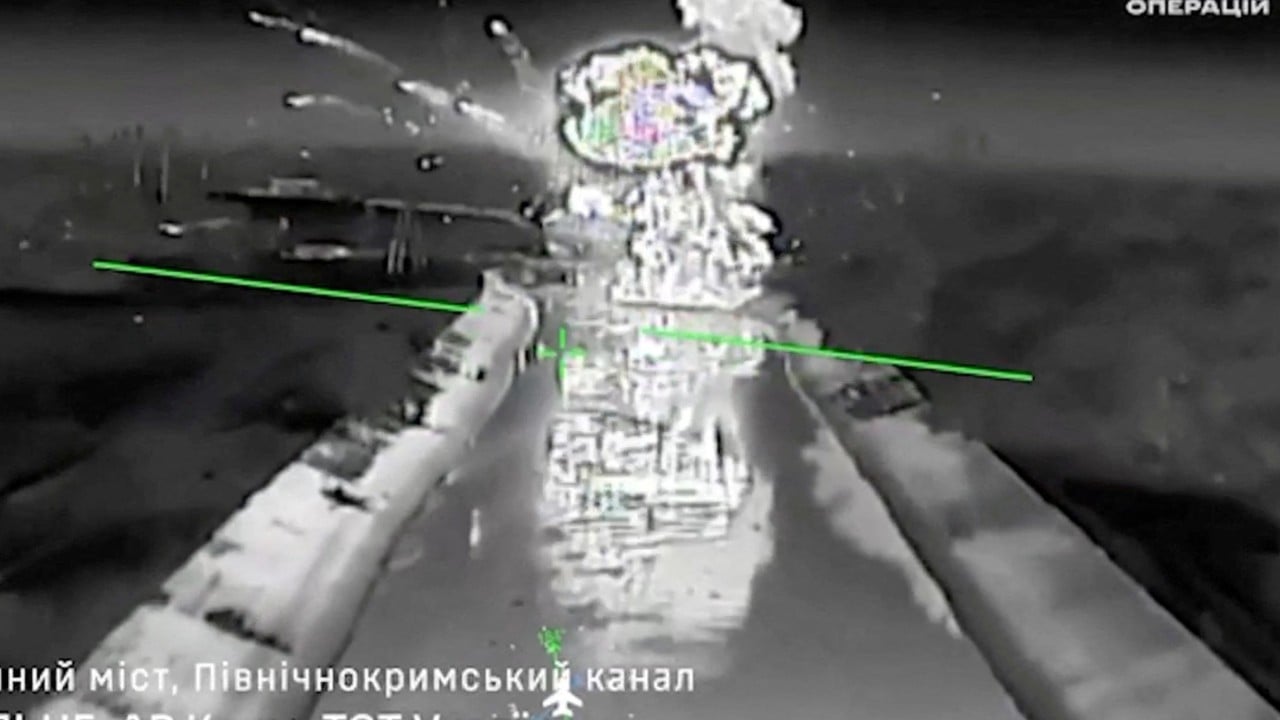
Ukraine drones knock out power in Russia-held Crimea’s biggest city
Key Points
Ukraine drones knock out power in Russia-held Crimea’s biggest city Trolleybuses were not operating in Sevastopol and children should remain at home, the governor said, amid more strikes on energy facilities Ukrainian drones knocked out power in Sevastopol, the biggest city in Russian-held Crimea, on Wednesday and targeted facilities in central and southern Russia, local officials said, underscoring the reach of Kyiv’s attacks on energy infrastructure. Ukraine has intensified strikes on...
Ukraine drones knock out power in Russia-held Crimea’s biggest city
Trolleybuses were not operating in Sevastopol and children should remain at home, the governor said, amid more strikes on energy facilities
Ukrainian drones knocked out power in Sevastopol, the biggest city in Russian-held Crimea, on Wednesday and targeted facilities in central and southern Russia, local officials said, underscoring the reach of Kyiv’s attacks on energy infrastructure.
Ukraine has intensified strikes on Russian oil refineries, depots and supply routes this year, pushing up petrol prices in Russia, where authorities have limited sales in some regions.
Fuel shortages have been particularly acute on the Crimean peninsula, which Russia seized and annexed in 2014.
The Russian-installed governor of Sevastopol this week mandated early closing for public transport and cafes and said street lights would be dimmed to protect the city during overnight attacks.
On Wednesday he said the latest wave had knocked out power supplies and that trolleybuses would not operate and parents should keep children at home.
[Image text:] ONEPALIN
HU MiCT.NiBHi4HOKpnMCbKU kaHan