
World News
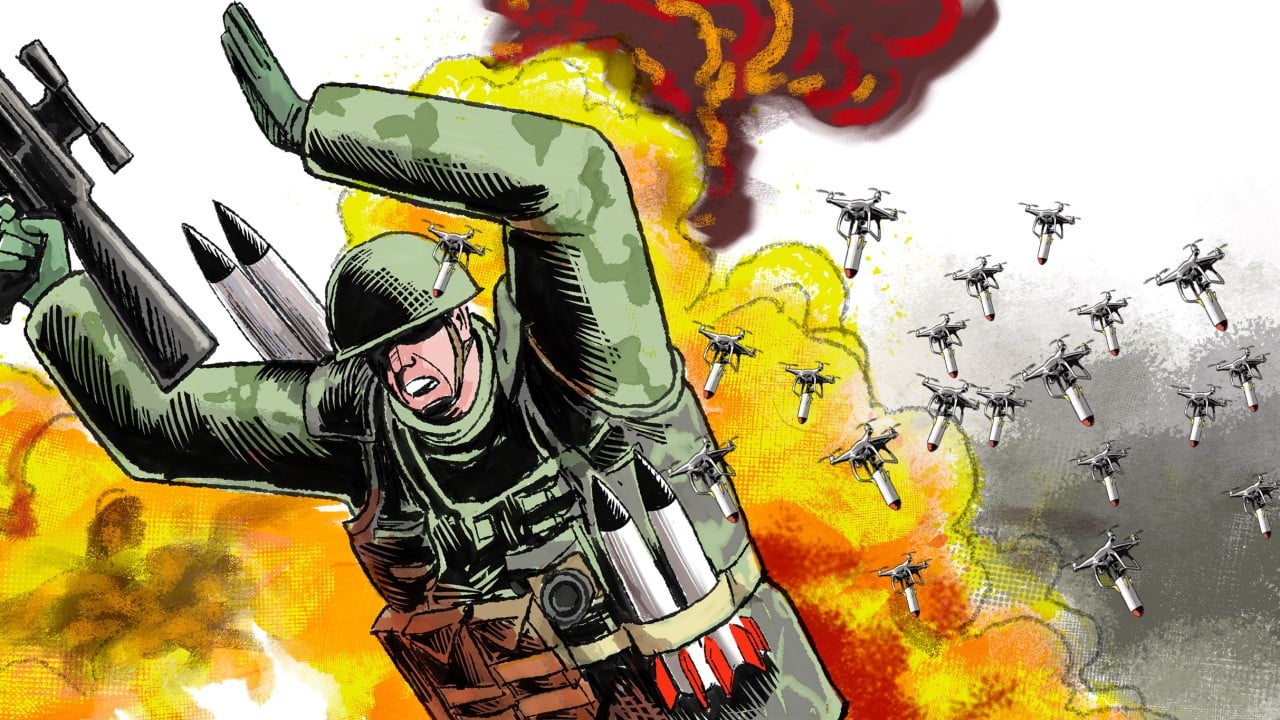
8 takeaways from the US-Iran war
Key Points
8 takeaways from the US-Iran war From the rise of devastating asymmetric warfare to the crumbling of the US maritime hegemony and alliances, the war offers food for thought The war in Iran is effectively over. Although the dust has yet to settle, some lessons are already visible. First, US President Donald Trump has waged a personal war at the world’s expense.
8 takeaways from the US-Iran war
From the rise of devastating asymmetric warfare to the crumbling of the US maritime hegemony and alliances, the war offers food for thought
The war in Iran is effectively over. Although the dust has yet to settle, some lessons are already visible.
First, US President Donald Trump has waged a personal war at the world’s expense. Chinese philosopher Lao Tzu warned that arms are ill-omened tools, employed only as a last resort. Trump, who has admitted he doesn’t like to read, may not realise this. Few people know why he ordered a strike on Iran. Maybe kidnapping president Nicolas Maduro in Venezuela was too easy or Israeli Prime Minister Benjamin Netanyahu was too persuasive.
Third, the solution to problems at sea lies on land. Contrast the US Navy’s failure to blockade and control the vital waterway with Iran’s domination of the northern coastline of the strait. Its coastal anti-ship missiles, offshore drones, fast-attack craft and land-based radar surveillance networks cover every inch of the chokepoint. For America, full-scale land bombardment or a ground invasion would be the only way to eliminate Iran’s coastal threats – a step Trump rightly refuses for fear of escalation.