
World News
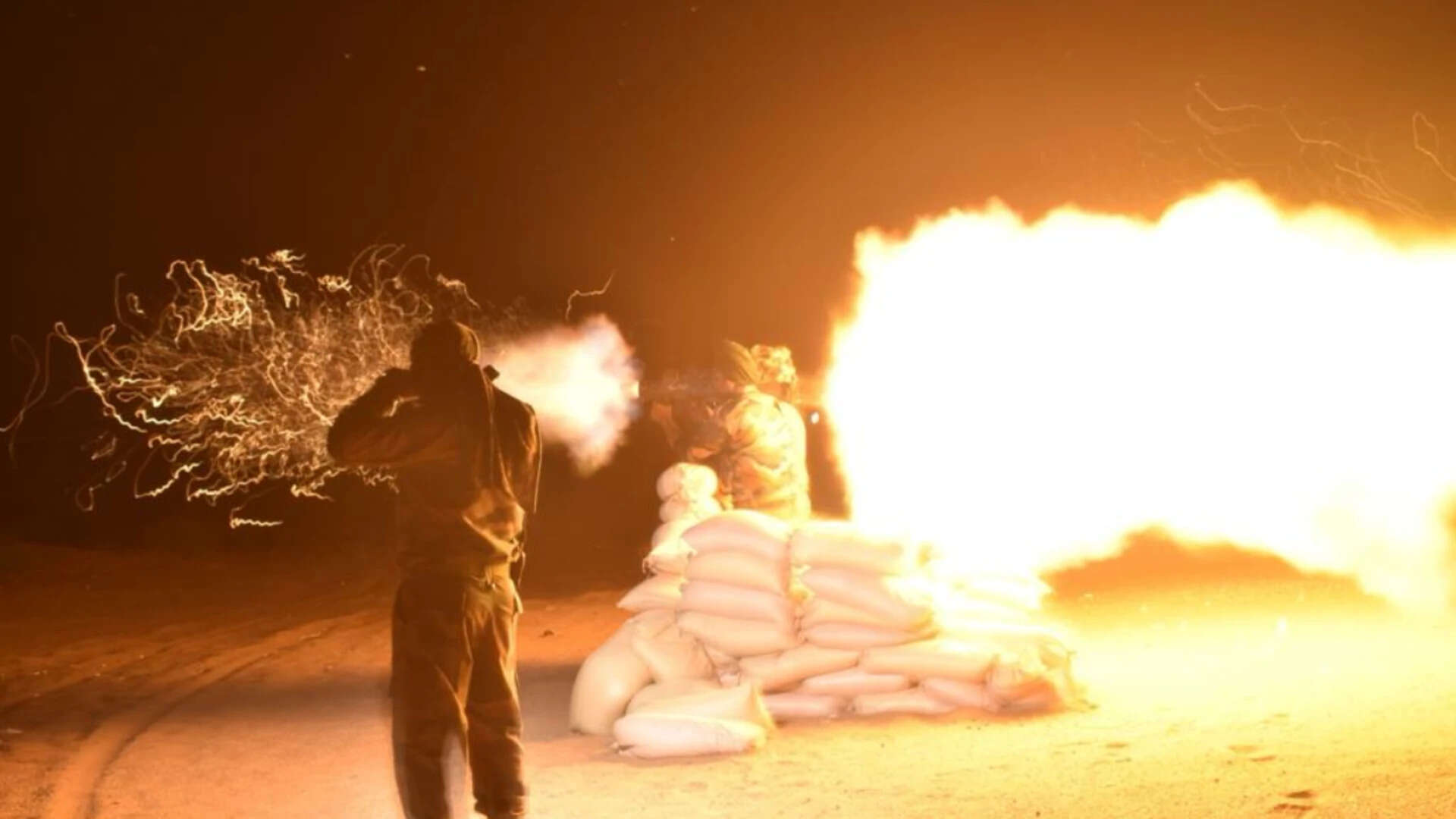
From Spike to Hellfire: Inside India’s layered tank-killers
Key Points
From Spike to Hellfire: Inside India’s layered tank-killers The tank — a multi-ton, heavily armed beast with cross-country mobility — has dominated battlefields since World War I. Armoured mobility shattered trench deadlock then and powered mobile warfare in World War II.Today, tanks still lead many assaults, and specialised platforms from the A-10 to attack helicopters exist primarily to counter them. Infantry, too, carry weapons to stop these metallic beasts: in 1965 Company Quartermaster...
From Spike to Hellfire: Inside India’s layered tank-killers
The tank — a multi-ton, heavily armed beast with cross-country mobility — has dominated battlefields since World War I. Armoured mobility shattered trench deadlock then and powered mobile warfare in World War II.Today, tanks still lead many assaults, and specialised platforms from the A-10 to attack helicopters exist primarily to counter them.Infantry, too, carry weapons to stop these metallic beasts: in 1965 Company Quartermaster Havildar Abdul Hamid won the Param Vir Chakra after destroying Pakistani tanks with a jeep-mounted recoilless gun. For the modern soldier, Anti-Tank Guided Missiles (ATGMs) are the frontline defence.The Indian Army’s ATGM inventory is designed to meet contemporary armoured threats across varied terrain.Its backbone has long been the 9M113 Konkurs, a Russian wire-guided missile produced under licence in India. Reliable and battle-tested, it remains widely deployed with infantry and mechanised units.Complementing it is the MILAN, the Franco–German system also manufactured domestically, which has served as a versatile infantry ATGM for decades.
End of Article