
Entertainment
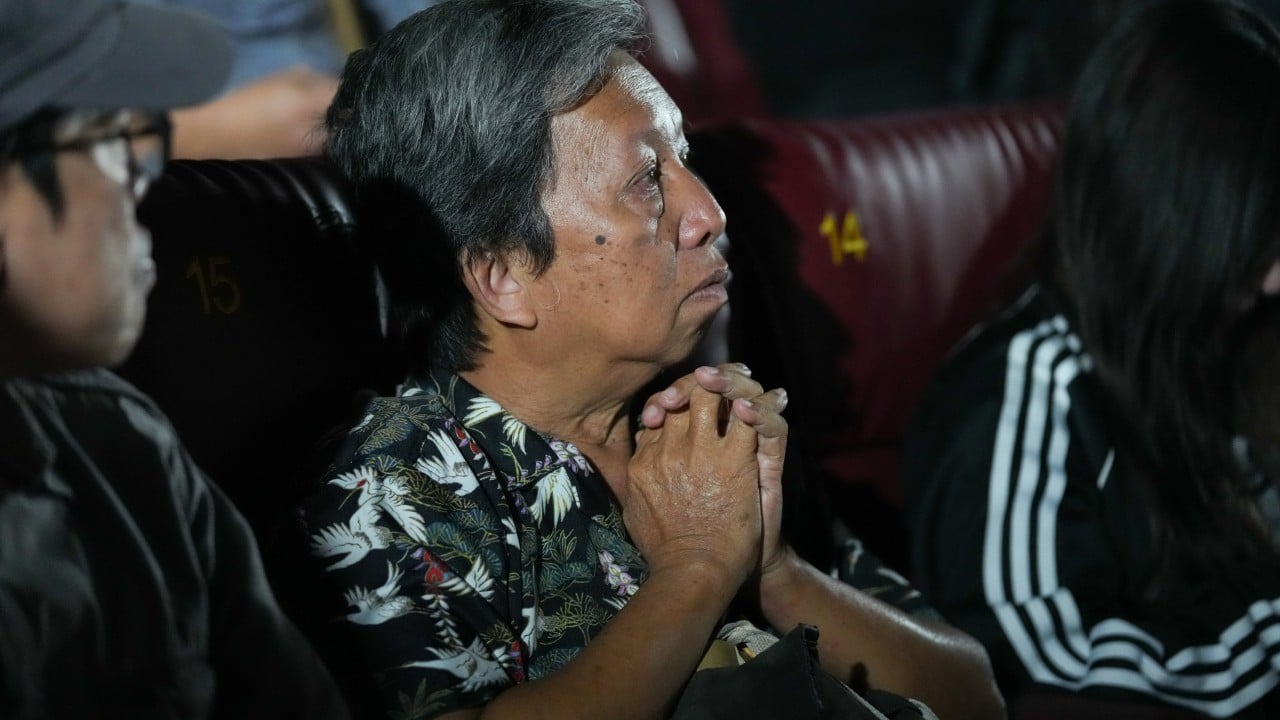
For many outside China, Dear You reflects family history, not politics
Key Points
For many outside China, Dear You reflects family history, not politics Some call the film soft power, but for many in the Chinese diaspora, it’s simply family history As the film is released across Southeast Asia, however, it has also prompted reflection on how Chinese communities remember migration. That recognition gives the film its emotional force.
For many outside China, Dear You reflects family history, not politics
Some call the film soft power, but for many in the Chinese diaspora, it’s simply family history
As the film is released across Southeast Asia, however, it has also prompted reflection on how Chinese communities remember migration.
That recognition gives the film its emotional force. Qiaopi were lifelines, envelopes with a few banknotes, sometimes a small token – proof that someone overseas had not forgotten.
Part of the film’s impact stems from its language. Dear You is spoken almost entirely in Teochew, the dialect of Chaoshan and some Chinese communities in Hong Kong and across Southeast Asia. With amateur actors and ordinary village backdrops, the conversations feel genuine and unvarnished.
For younger viewers raised on sleek productions, that roughness has felt personal – like listening to their grandparents or seeing their hometown streets projected onto a big screen.