
World News
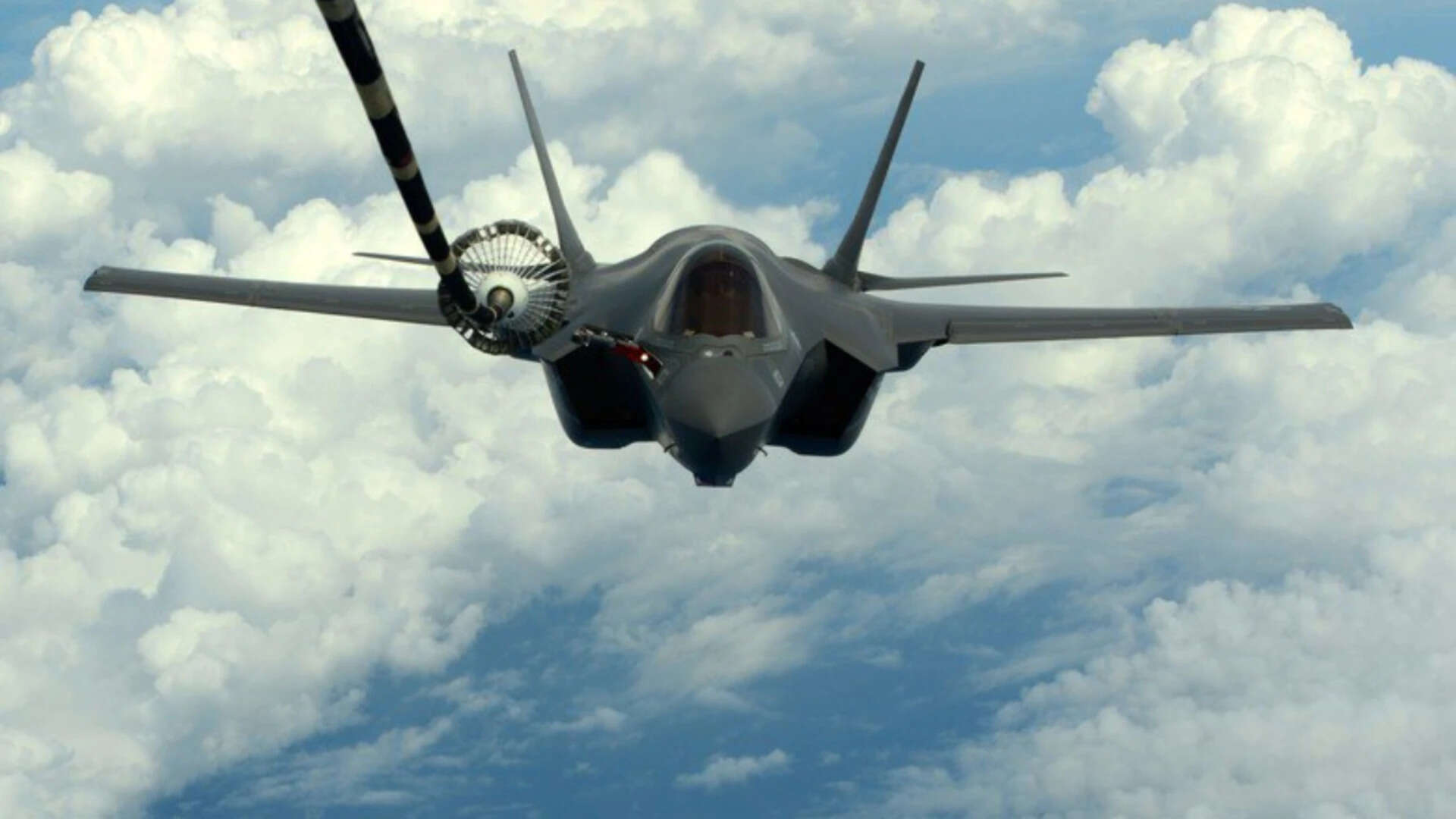
What does 'generation' mean in fighter jets and does it really matter?
Key Points
As the geo-political situation in the region remains tense, with both China and Pakistan modernising their air forces. The Chinese have inducted fifth generation air craft and are publicly testing two separate sixth-generation aircraft. This at a time when the Pakistanis are planning to induct the J-35 fifth-generation fighter aircraft.
As the geo-political situation in the region remains tense, with both China and Pakistan modernising their air forces. The Chinese have inducted fifth generation air craft and are publicly testing two separate sixth-generation aircraft. This at a time when the Pakistanis are planning to induct the J-35 fifth-generation fighter aircraft. India too is working to strengthen its air arm, with plans to induct 4.5 Rafale fighter aircraft, while the Russians have pitched their fifth generation aircraft the Su-57 aircraft to India and last year US President Trump had offered the F-35.
The attacks on Iran last year and this year, were spearheaded by stealthy fifth-generation aircraft. New Delhi too is working on a fifth generation aircraft called the Advanced Medium Combat Aircraft (AMCA), which is scheduled to enter service around 2035. This does raise the question, what is a fighter generation and how are they different from
The first generation
These fighters in the late 1940s and 50s marked the transition from propeller aircraft to jets. These were subsonic, gun and cannon armed machines like the F‑86 Sabre and the MiG‑15.
The second generation
The 1950s and 60s saw the introduction of supersonic aircraft and early guided air-to-air missiles, with aircraft such as the MiG‑21 and F‑104 Starfighter.
The third generation
These fighters brought multirole capability and improved avionics, exemplified by the F‑4 Phantom II, which could fight in the air and strike ground targets. This generation merged the fighter and the fighter bomber roles to a single airframe
The fourth generation
Beginning in the late 1970s, these fighters emerged as a result of better sensors and radars.
Many of the lessons for these aircraft were learnt from the air-combat in the Arab-Israeli Wars and the Vietnam War. This class of aircraft emphasised agility, fly‑by‑wire controls, and advanced sensors. Aircraft like the F‑16, F‑15, Su‑27, and MiG‑29 defined air combat for decades and are still the backbone of air forces across the world.
By the 1990s, further upgrades such as AESA radars and electronic warfare suites created the so‑called “4.5 generation” jets, including the Rafale, Eurofighter Typhoon and F‑15EX.
The fifth generation
This is the current leading edge technology when it comes to operational fighters and represents a true leap. The F‑22 Raptor and later the F‑35 integrated stealth into their design from the outset, combined with sensor fusion and networked warfare. Pilots gained unprecedented situational awareness, able to “see” in every direction through distributed sensors, even through the airframe. These aircraft were designed to operate in heavily defended airspace, prioritising stealth and information dominance over traditional matrix, such as speed, rate of climb, turn rate, etc.
Looking ahead, sixth generation concepts promise even greater advances. They are expected to feature all‑aspect stealth, artificial intelligence‑assisted decision‑making, manned‑unmanned teaming, adaptive engines, directed‑energy weapons and extreme networking. Rather than being just fighters, they will function as flying command centres, coordinating drones, satellites and ground forces across multiple domains. Today’s battles are less about speed or climb rate and more about who can detect first, strike first and remain unseen. Generations remain a useful way to trace progress, but they are not precise measures of combat power. The true test of a fighter is how well it integrates into the wider battle network, adapts to contested environments and delivers mission success as modern combat is not the one-on-one fight between two aircraft, but a fight of the entirety of combat systems that two nations bring to the contest.