
Health
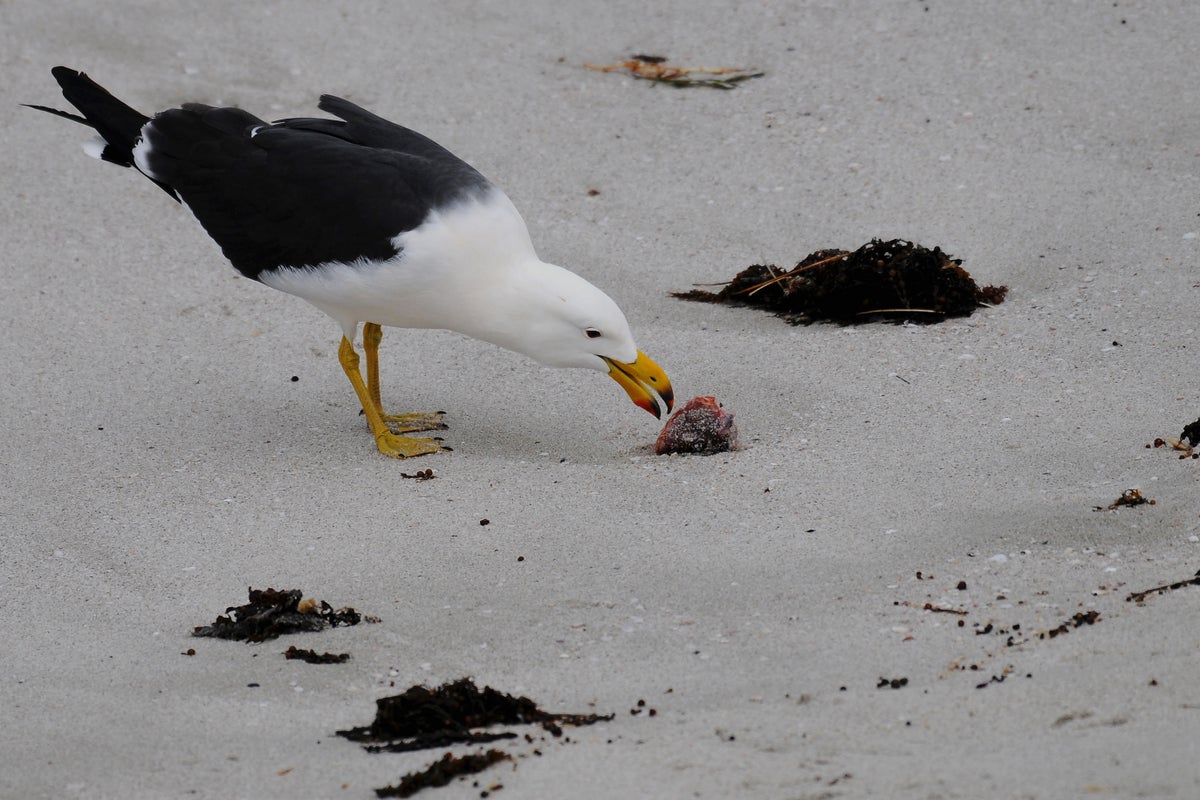
Warning issued to pet owners in Australia as deadly bird flu strain detected on mainland for first time
Key Points
Warning issued to pet owners in Australia as deadly bird flu strain detected on mainland for first time Virus can be fatal to cats and dogs, though overseas infections in pets have been infrequent and mostly linked to animals eating infected birds or raw meat - Bookmark - CommentsGo to comments Australian authorities have warned pet owners to keep cats indoors and dogs on leads after the deadly H5N1 strain of bird flu was confirmed on the mainland for the first time. Authorities detected...
Warning issued to pet owners in Australia as deadly bird flu strain detected on mainland for first time
Virus can be fatal to cats and dogs, though overseas infections in pets have been infrequent and mostly linked to animals eating infected birds or raw meat
- Bookmark
- CommentsGo to comments
Australian authorities have warned pet owners to keep cats indoors and dogs on leads after the deadly H5N1 strain of bird flu was confirmed on the mainland for the first time.
Authorities detected four such cases in wild birds across Western Australia and South Australia in the past two weeks.
Australia was the last continent in the world free of the highly contagious pathogen before the detections.
The virus has killed millions of birds and thousands of marine mammals globally since it began spreading in 2021. It is also linked to the deaths of 13,000 baby seals in Antarctica, about 75 per cent of the population, as well as the decimation of seabird populations worldwide.
The fourth confirmed case was detected on Saturday in a giant petrel found at Quindalup on Western Australia's south-west coast. A further suspected positive detection in a giant petrel on the WA south coast at Roses Beach, 30km west of Esperance, was pending confirmation.
Three cases have been confirmed in WA and one in South Australia, all in migratory birds. There have been no reports of infections in commercial poultry or agricultural settings.
Environment minister Murray Watt warned any spread to Australia's poultry industry could be devastating.
"That would be very, very serious and damaging economically," he told Sky News, referring to an industry worth $8bn annually.
Australia's largest poultry producer, Ingham, has already shut down its WA chicken breeder farms in Muchea, Gingin and Mogumber, north of Perth, banned non-essential access at its farms and processing centres across the state, and is seeking an order to keep free range poultry indoors.
Authorities have urged the public not to touch sick or dead birds and to keep pets away from wildlife.
"Pet cats and dogs which come into contact with sick birds could catch H5 bird flu themselves," threatened species commissioner Dr Fiona Fraser said.
"And it's generally good practice to keep your pets away from wildlife anyway."
Dog owners were specifically advised to keep animals on leads at beaches, particularly along the southern coast and after storms, which tend to wash more dead birds ashore.
The virus can be fatal to cats and dogs, though overseas infections in pets have been infrequent and mostly linked to animals eating infected birds or raw meat.
One study published by the American Veterinary Medical Association found domestic cats infected with H5N1 had mortality rates of 50 to 70 per cent.
Symptoms in pets can be subtle and may be mistaken for other illnesses, but include fever, lethargy, discharge from the eyes or nose, difficulty breathing, tremors and seizures. There are no vaccines available for cats or dogs.
The federal government has assessed more than 150 native bird species and more than 10 mammal species, including sea lions and fur seals, as being at very high risk of extinction or major decline if the disease were to spread more widely.
Scientists said the arrival of the virus was not unexpected. Researchers had long anticipated H5N1 would reach Australia via the southern migration routes of seabirds, particularly after cases were confirmed on Heard Island.
"We knew it was coming and we weren't all that surprised it came on the south coast," environmental advocate Mike Bamford told the ABC.
The outbreak has also exposed a gap in Australia's monitoring capacity. The Eyre Bird Observatory, the country's oldest and most remote bird observation station, located about 300 kilometres east of Esperance along the same stretch of coast as the detections, has been closed since February after a medical emergency involving a volunteer.
BirdLife Australia, which manages the site, said it was working to reopen the facility but could not confirm a timeline.
"It's really important to have every asset available," BirdLife board member Mandy Bamford said. "Australia has huge areas of coastline and many remote areas."
Senator Watt sought to reassure the public, saying Australia had used the time since outbreaks elsewhere to prepare.
"We've got very good preparedness plans in place that are already rolling out," he said.
Join our commenting forum
Join thought-provoking conversations, follow other Independent readers and see their replies
Comments
Australia (LOCATION)
Australian (ORG)
Western Australia (LOCATION)
South Australia (LOCATION)
Antarctica (LOCATION)
Quindalup on Western Australia's (LOCATION)
WA (LOCATION)
Roses Beach (LOCATION)
Esperance (LOCATION)
Murray Watt (PERSON)
Sky News (ORG)
Ingham (PERSON)
Muchea (LOCATION)
Mogumber (LOCATION)
Perth (LOCATION)