
Health
‘My mortgage costs have tripled since Covid – I reached breaking point’
Key Points
‘My mortgage costs have tripled since Covid – I reached breaking point’ More than 12 million working adults are being kept awake by worries about housing costs, new data reveals - Bookmark - CommentsGo to comments “I was at breaking point. I was having panic attacks, struggling to sleep, and feeling like I was failing my children,” said Lisa Lealman. Earlier this year, Ms Lealman, her husband, and her four adult children were facing eviction from their family home over unpaid mortgage arrears.
‘My mortgage costs have tripled since Covid – I reached breaking point’
More than 12 million working adults are being kept awake by worries about housing costs, new data reveals
- Bookmark
- CommentsGo to comments
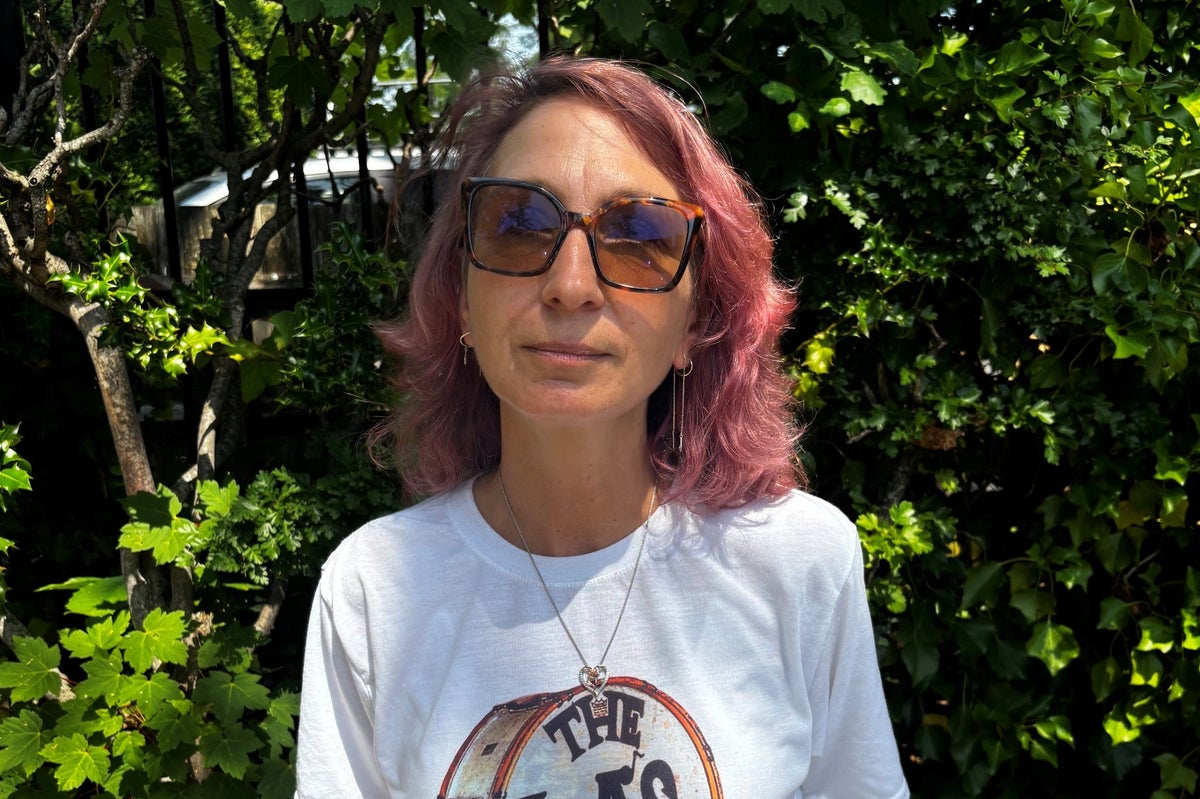
“I was at breaking point. I was having panic attacks, struggling to sleep, and feeling like I was failing my children,” said Lisa Lealman.
Earlier this year, Ms Lealman, her husband, and her four adult children were facing eviction from their family home over unpaid mortgage arrears. Her repayments had skyrocketed during the Covid pandemic from around £420 to £1,100 – a 161 per cent rise – plunging her into financial hardship.
“I genuinely couldn’t see a way out and I felt completely alone with it all,” the 56-year-old from Surrey told The Independent.
After receiving legal guidance from Shelter, she was able to agree a repayment plan of £1,900 with the bank, with £800 a month going on arrears. But this means her housing bill has more than tripled in less than five years, with her children also chipping in.
New research from the housing charity shows that the mother-of-four is far from alone in her struggle, with 40 per cent of working people in England saying they’ve been kept awake at night in the last six months worrying about how they will afford essential housing costs. This equates to more than 12 million working adults.
Among the respondents, one in three (32 per cent) also said they have had to cut back on food and groceries to afford the costs, according to the survey conducted by Savanta and in collaboration with HSBC UK.
A further quarter (24 per cent) said they have had to cut back on heating, while 16 per cent have had to sell possessions.
Ms Lealman is an unqualified special educational needs and disabilities teacher, meaning she is paid less than an average teacher, while she also supports her autistic son. Her modest income combined with her other children’s – all working in hospitality or retail – means that money is tighter than ever.
She said: “I think one of the hardest things, as a homeowner, is the panic of when things break. Our boiler keeps nearly dying, and I'm like, ‘Please just hang on a bit longer.’
“Please don't let me get a flat tyre; I've got an elderly dog that I don't want to get poorly; I don't even have a passport. I haven't been on holiday for the longest time, but I can't afford to renew my passport either.
“I give my everything to my job every day, and I can't even go out for a meal or get my hair done. There is nothing in the fun bank right now.”
Ms Lealman explained she is still on a joint mortgage with her children's father – her ex-partner – and so also can’t change the mortgage or even sell the property without his cooperation.
As a result, she and her husband are now sharing a box room, while her two boys and two girls each share rooms.
“We looked at renting, and that's even more than what we were already paying and you know, it feels impossible,” she added.
Interest rates shot up during the Covid pandemic, with the bank rate rising from 0.1 per cent during most of 2020 and 2021 to 5.25 per cent by the end of 2023. It has fallen in recent months to a post-Covid low of 3.75 per cent – but is still much higher than pre-pandemic levels.
Some 5,160 homeowner mortgaged properties were repossessed last year, a 39 per cent annual increase compared to 2024. By the third quarter of the year, the level was a staggering 51 per cent higher than the same period in 2024.
The lag between rising rates and the level of repossessions occurred because most homeowners are on fixed-term contracts – usually two or five years – meaning they do not feel the effects of the spike until this term ends.
Shelter’s emergency helpline manager, Nadeem Khan, said: “This new research shows the impact of the housing emergency on people’s mental health across the country, as millions feel the effects of sleepless nights spent worrying about how to afford essential housing costs.
“Our frontline teams hear from younger people, older people and parents every day who are under immense strain, grappling with impossible trade-offs to make ends meet... it can make a big difference if people reach out before they hit crisis point.”
The charity, alongside HSBC UK, added anyone feeling the negative impact of housing costs can visit its website for help, offering a helpline and in-person advice hubs, or reach out to their bank for broader financial resilience support.
A government spokesperson said: “We know the pressure the cost of living is placing on households and are providing support.
“The mortgage charter – signed by lenders covering over 90 per cent of the market – gives flexibility for homeowners facing difficulties by allowing them to switch to interest-only payments or extend their mortgage term for six months. For those in rented accommodation, we’ve changed the law to protect tenants from excessive rent increases.
“This sits alongside other cost of living measures, including help with energy bills and increases to the national living wage.”
If you are experiencing feelings of distress, or are struggling to cope, you can speak to the Samaritans, in confidence, on 116 123 (UK and ROI), email [email protected], or visit the Samaritans website to find details of your nearest branch.
If you are based in the USA, and you or someone you know needs mental health assistance right now, call or text 988, or visit 988lifeline.org to access online chat from the 988 Suicide and Crisis Lifeline. This is a free, confidential crisis hotline that is available to everyone 24 hours a day, seven days a week. If you are in another country, you can go to www.befrienders.org to find a helpline near you.
Join our commenting forum
Join thought-provoking conversations, follow other Independent readers and see their replies
Comments