
World News
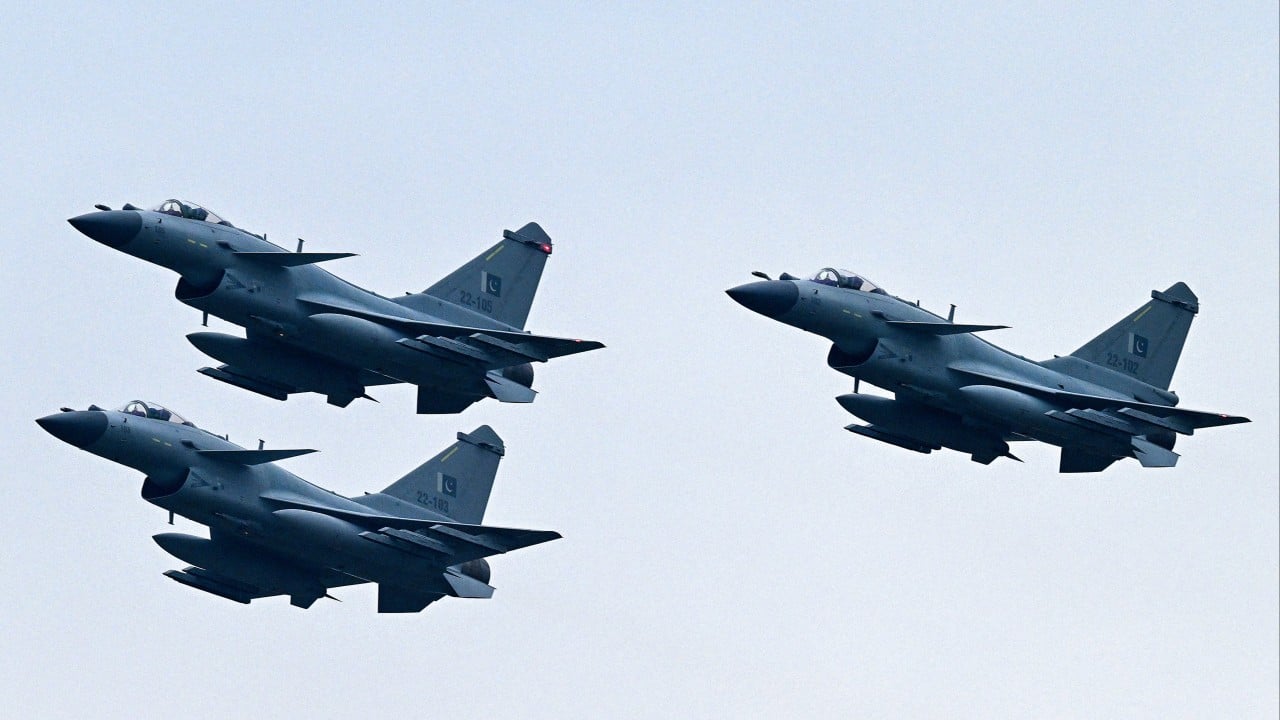
Should China worry more about keeping defence customers than winning new deals?
Key Points
Should China worry more about keeping defence customers than winning new deals? A study of the risks and opportunities for Chinese weapons exports in global markets cautions against a reductive assumption about quality The study, published this month by the Bengaluru-based Takshashila Institution, questioned whether weapons made in China were “foolproof or in muddy waters” and cautioned against the “reductive assumption that Chinese weaponry is uniformly poor in quality”. Instead, the...
Should China worry more about keeping defence customers than winning new deals?
A study of the risks and opportunities for Chinese weapons exports in global markets cautions against a reductive assumption about quality
The study, published this month by the Bengaluru-based Takshashila Institution, questioned whether weapons made in China were “foolproof or in muddy waters” and cautioned against the “reductive assumption that Chinese weaponry is uniformly poor in quality”.
Instead, the report’s author Anushka Saxena argues that assessing Chinese military hardware requires a “far more disaggregated and theatre-specific assessment than the headlines typically afford”.
While some systems performed well under favourable conditions, persistent problems with reliability, spare parts and after-sales support continued to undermine China’s ambitions as a major arms exporter, the study found.
According to the report, Beijing’s future in the global arms market may depend less on winning new customers than on retaining existing ones. It also noted that China’s weapons exports and defence partnerships had a direct impact on India’s security.