
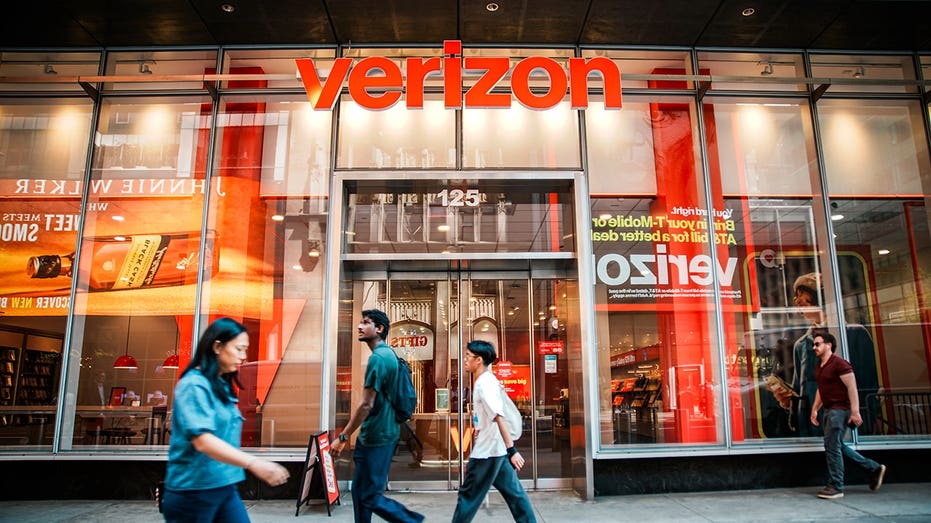
A fake Verizon fraud call can feel real fast, especially when official-looking texts start landing on your phone. That is what makes this scam so dangerous. The caller creates panic, pushes you to "verify" your identity and then uses your own reaction against you.
Chuck from New Braunfels, Texas, reached out after a frightening close call.
"I usually am pretty savvy when it comes to scams, but I almost got fooled by a fake Verizon fraud investigator. He tricked me into giving him access to my account through text verification... he ordered an upgrade to my daughter's phone, which she would never do without me. In the end, thank God I figured it out and got a hold of the real Verizon fraud and stopped him before something bad happened. If there is any more information I can give to help someone else, let me know."
Chuck's message should make all of us pause. He knew scams were out there. He still almost got caught because this one moved quickly and looked so convincing.
Sign up for my FREE CyberGuy Report
ADT DATA BREACH EXPOSES CUSTOMER INFORMATION
Chuck says the call came in around 7:15 p.m. The man on the phone claimed he worked for Verizon's fraud department. He gave a name, "John Rodriguez," along with the phone number 1-888-269-xxxx.
That detail made the call feel more official. So did the extra pieces the caller supplied. Chuck says the scammer gave him a fraudulent number and a cancellation number.
That is a common move in account takeover scams. The criminal gives you enough "case details" to sound legitimate. Then, while you feel like you are dealing with a real fraud alert, the scammer quietly tries to get control of your account.
The messages Chuck received appeared to involve Verizon account security. One said there was a request to authenticate from the Verizon website. It asked him to confirm or deny through a link. Another message said there was a request to change the device associated with a line on the account. That message warned that the change could be tied to an upgrade or SIM change.
Then came a more alarming message. It warned of a potential scam and said someone was trying to change the password from the Verizon website. It told Chuck to deny the request and call the Verizon fraud team immediately.
Here is the scary part. Those alerts can make you feel safer while the scam is still unfolding. The caller keeps you on the phone and tells you what to click. That pressure can turn a security warning into a trap.
Chuck says the caller asked him multiple times to verify. Then Chuck clicked a link to deny access. That moment changed everything. To Chuck, clicking "deny" felt like the safe move. To the scammer, it may have been exactly what he wanted.
Once a criminal has you on the phone, he can walk you through alerts in real time. He may claim you are blocking fraud while he actually triggers account changes, resets credentials or pushes through an order.
In this case, Chuck later saw that his daughter's line had been changed to a new iPhone 17 Pro Max. That caught his attention because his daughter would never make that kind of change without him.
Chuck then received an email saying, "Your order is canceled." The email appeared to come from [email protected] and the subject line said, "You've successfully canceled your order."
The message listed an Apple iPhone 17 Pro Max 256GB Cosmic Orange and showed order details. Chuck described the sender as a non-verified email.
That part deserves attention. A cancellation email can make you feel relieved. Yet it may also serve another purpose. It can make the victim believe the problem has been solved while the criminal keeps trying other account changes.
WHAT SCAMMERS DO THE WEEK YOUR SPOUSE DIES
Chuck says he knew something was off when his daughter's phone line changed to the new iPhone. Then he saw that his password had been changed.
At that point, he took the right step. He contacted the real Verizon fraud team and changed the password again so he could regain control.
Then the scammer tried to call him back twice. That is another major warning sign. Real fraud departments do not need to keep calling after you contact the company through a trusted channel.
Chuck says the real Verizon fraud team checked the fraud case number and cancellation number the caller had given him. Both were bogus.
After verifying his identity through a secure Verizon process, Verizon removed his My Verizon credentials and told him to re-register using two-factor authentication (2FA).
That step deserves attention because the scammer had gotten too close to the account. When credentials, account access or device changes get involved, changing only the password may not be enough.
This scam works because it borrows the language of real fraud prevention. The caller talks about account security. The texts mention authentication, SIM changes, password resets and fraud teams.
That sounds protective. But the caller creates confusion and urgency. Once the victim follows instructions in real time, the scammer can steer the whole interaction.
A phone upgrade also gives criminals a clear payday. A stolen device order can lead to theft of service, resale value or deeper account access. A SIM-related change can also put calls and texts at risk, including codes used to access other accounts.
Several details stand out from Chuck's case.
Any one of those should stop the conversation. Together, they point to an active account takeover attempt.
After reviewing the details of Chuck's experience, Verizon said these kinds of social engineering scams have become a growing problem.
"This type of fraudulent activity has unfortunately become all too common," a Verizon spokesperson told CyberGuy. "Verizon actively works against bad actors by tracking every case and identifying the hallmarks of social engineering events against our customers."
The spokesperson added, "We incorporate these into real-time detections to prevent attempted fraud before the transaction is completed."
Verizon also shared several steps customers can take to protect their accounts. Many line up with the same safety habits that can help stop fake carrier fraud calls before they turn into account takeovers.
A few smart habits can make it much harder for a scammer to talk you into giving up control of your phone account.
Use the number on your carrier's app, website or bill. Do not rely on a number the caller gives you. Verizon says it will never call you out of the blue asking for your password or a one-time security code. If you get that kind of call, hang up and call Verizon back using a publicly listed number, such as 611 from your Verizon phone.
If a caller tells you to approve, deny, verify or authenticate through a text link, stop. Open the carrier app directly instead.
A button or link that sounds safe can still help a scammer if they, in fact, triggered the request. Strong antivirus software can also help block malicious links and warn you before you land on a risky site. Get my picks for the best 2026 antivirus protection winners for your Windows, Mac, Android & iOS devices at Cyberguy.com
A new phone order, SIM change or line change should trigger immediate action. Verizon says customers should also watch for texts or emails about an unauthorized password change, transaction, SIM swap or port-out. If you see one, act fast to cancel the transaction and call Verizon immediately.
Do this from a browser or app you opened yourself. Avoid links from texts or emails. Verizon says to treat your mobile and email accounts like bank accounts and never share passwords or security codes with anyone who calls unexpectedly. Also, do not reuse passwords across important accounts. Use a trusted password manager to create and store a strong, unique password for your carrier account.
Use the strongest 2FA option your carrier offers, such as a passkey, authenticator app or account PIN. This adds another layer of protection so a scammer cannot get in with just your password. Verizon specifically recommends enabling two-factor authentication in the My Verizon app.
Verizon says customers can enable Number Lock and SIM Protection in the My Verizon app. These extra protections can help stop unauthorized activity, including SIM-related scams and account changes.
Many carriers let you add a PIN or security code for account changes. Make sure yours is unique and not something easy to guess, such as a birthday, address or repeated number.
If criminals accessed the account, reduce what they can buy or change. Removing saved payment methods can limit damage while your carrier reviews the account.
Make sure no phone numbers, devices, SIMs, shipping addresses or authorized users were changed. Also, check for pending orders or upgrades you did not request.
Scammers often get names, phone numbers, addresses and family connections from people-search sites. A data removal service can help reduce what is exposed online, making it harder for criminals to build a convincing call around your personal details. Check out my top picks for data removal services and get a free scan to find out if your personal information is already out on the web by visiting Cyberguy.com
Ask for the fraud department, explain the attempted takeover and request a full account security review. Verizon says if you are scammed, call your bank or financial institution first, then call Verizon. Verizon also points customers to its account security page for more information: verizon.com/about/account-security/overview
Move quickly, but do it through trusted channels you open yourself.
CARNIVAL BREACH MAY PUT YOUR TRAVEL DATA AT RISK
What gets me about Chuck's story is how real the scam felt in the moment. The caller had a name, a fraud number, a cancellation number and security texts were landing while he was still on the phone. That to me is scary. Once a scammer gets you reacting, your account can start slipping away fast. Chuck caught it before things got worse, but not before a phone upgrade appeared and his password was changed. The safest move is to hang up and start fresh. Open the official app yourself. Type the website yourself. Call the number on your bill yourself. Never let a stranger guide your clicks. Chuck said it best: " Please use my mistake to help others avoid losing potential thousands in theft of service and money."
Have you ever received a carrier fraud alert that looked real, and how did you decide whether to trust it? Let us know by writing to us at Cyberguy.com
Sign up for my FREE CyberGuy Report
Copyright 2026 Cyberguy.com. All rights reserved.