
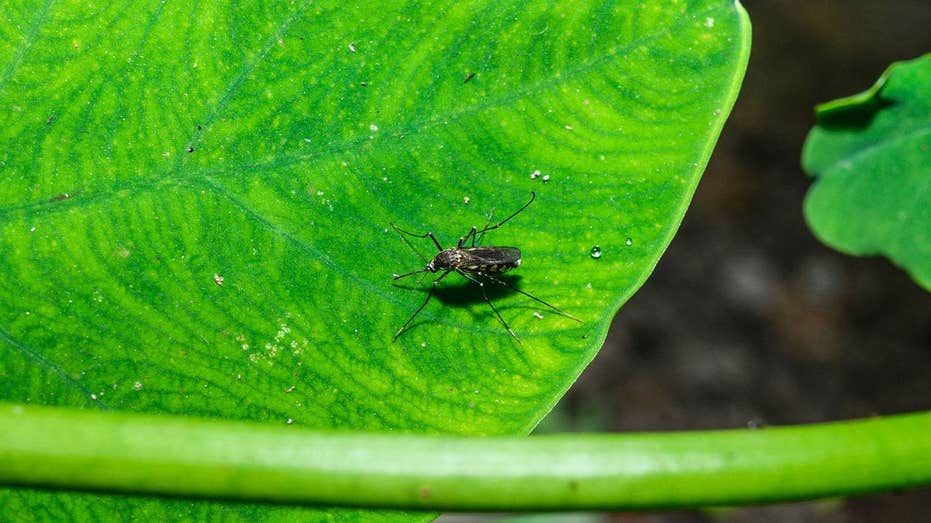
Health officials in Nashville are urging residents to protect themselves from mosquito bites after West Nile virus was detected in mosquitoes for the first time this year.
The Metro Public Health Department (MPHD) announced the virus was found in a mosquito pool collected near Cass Street in North Nashville, marking the city's first detection of West Nile virus in 2026 and the earliest positive mosquito sample of the season.
The detection comes after health officials reported elevated West Nile virus activity in mosquito pools during 2025, when one human case of the virus was confirmed.
"We can all play a role in reducing the presence of mosquitoes in our community, making our outdoor areas both more pleasant and safer from mosquito-borne diseases like West Nile virus," Dr. Sanmi Areola, director of health at the Metro Public Health Department said in a statement to Fox 17.
MEASLES-INFECTED TRAVELER MAY HAVE EXPOSED PASSENGERS AT LAX AND NEARBY HOTEL, HEALTH OFFICIALS WARN
"As our team educates those in the area where West Nile virus was found, we hope the rest of our community does what they can to protect themselves and their families from mosquitoes this summer."
According to the Centers for Disease Control and Prevention, West Nile virus is the leading mosquito-borne disease in the United States. Most people infected with the virus do not develop symptoms, but about one in five experience fever, headaches, body aches, vomiting, diarrhea or a rash. Fewer than 1% develop a serious neurological illness that can affect the brain or spinal cord, with older adults and people with weakened immune systems facing the greatest risk.
Public health officials routinely trap and test mosquitoes throughout the summer to monitor for West Nile virus activity. A positive mosquito sample does not necessarily mean people in the area will become infected, but it serves as an early warning that the virus is circulating locally.
In response to the positive test, MPHD said crews are distributing educational flyers in the affected neighborhood, increasing mosquito trapping, monitoring standing water and applying larvicide where needed to help reduce mosquito populations. The department said it does not spray insecticide to kill adult mosquitoes.
POTENTIALLY SEVERE MOSQUITO-BORNE VIRUS SURGES IN US ABOVE NORMAL LEVELS
Residents can also request a free backyard inspection from the department's Pest Management team to identify areas where mosquitoes may be breeding.
Health officials recommend eliminating standing water from bird baths, flowerpots, buckets, old tires, children's toys and other outdoor containers where mosquitoes lay eggs. Trimming overgrown vegetation around homes can also help reduce mosquito activity.
To help prevent mosquito bites, the health department recommends using EPA-approved insect repellents containing DEET, picaridin or oil of lemon eucalyptus, wearing long sleeves and pants outdoors during peak mosquito hours around dusk and dawn, and making sure window and door screens are in good repair.
Officials said reducing mosquito breeding around homes can help lower the risk of West Nile virus and other mosquito-borne illnesses throughout the community.