
Business & Finance
Chanel vs Dior: Why luxury’s two biggest reboots are under scrutiny
Key Points
Chanel vs Dior: Why luxury’s two biggest reboots are under scrutiny Matthieu Blazy has sparked immediate demand at Chanel, while Jonathan Anderson is taking a longer view at Dior. In a tougher luxury market, both houses are fighting harder for growth. Designer Matthieu Blazy’s debut collection for Chanel brought some sorely needed buzz back to the luxury industry.
Chanel vs Dior: Why luxury’s two biggest reboots are under scrutiny
Matthieu Blazy has sparked immediate demand at Chanel, while Jonathan Anderson is taking a longer view at Dior. In a tougher luxury market, both houses are fighting harder for growth.
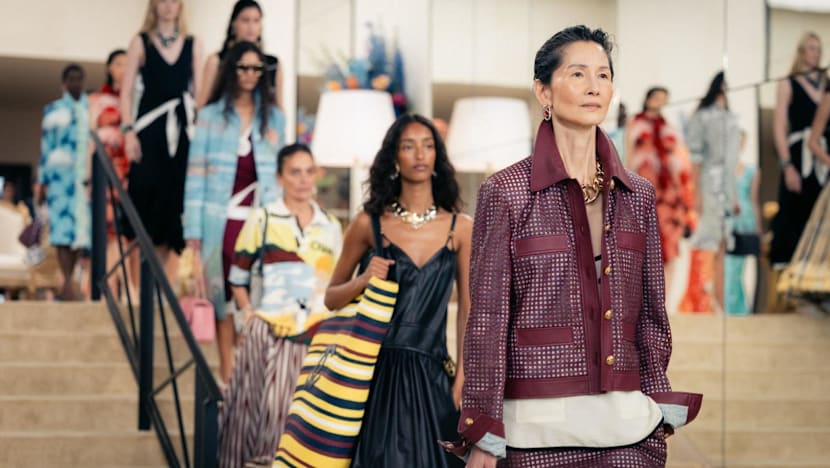
Designer Matthieu Blazy’s debut collection for Chanel brought some sorely needed buzz back to the luxury industry.
Social media was flooded with videos of enthusiasts “unboxing” their €1,300-plus slingback pumps and €9,000 (US$10,249; S$13,270) grained calfskin tote bags when the eagerly anticipated range was released in March.
But the “Blazy mania” that spurred shoppers to queue outside Chanel’s New York and Paris boutiques may increase pressure on rival brands — none more so than Dior, the LVMH house going through its own reboot under new creative director Jonathan Anderson.
After industry growth dried up after years of steep price rises, luxury brands are having to fight hard to generate sales. The tough backdrop has left some industry analysts and experts questioning whether Blazy’s early success will come at the expense of Dior’s in luxury’s new zero-sum game.
The two French luxury houses, which trade on the reputations of their eponymous founders, have tasked Blazy and Anderson with revitalising client interest after one of the sharpest slowdowns since the financial crisis.
Chanel told the FT that sales were growing by a high single-digit percentage in 2026. That compares with expected industry growth of 2.5 per cent for the year, according to Morgan Stanley.
The new range, which uses bolder shapes and textures than the collections of Blazy’s predecessor Virginie Viard, has only been in stores since March, but Chanel chief executive Leena Nair said “the indicators are strong”.
Chanel reported revenues of US$19.3 billion (S$24.99 billion) last year. If Blazy mania helps the company grow sales 10 per cent in 2026, Morgan Stanley estimates it could capture about 30 per cent of the entire growth in the luxury fashion and leather goods industry.
“The bears — where our own view is currently tilted — would argue that in the context of anaemic industry growth, Chanel’s revival has to come at the expense of peers” such as Dior, Morgan Stanley analysts wrote in a research note.
While Chanel’s reboot has delivered immediate results, Dior says it is playing the long game.
“It’s a huge transformation every time we change artistic directors, which is why we try to have our creatives stay for as long as possible . . . [it] requires time,” said Dior chief executive Delphine Arnault.
“All of Jonathan’s collections are working very, very well . . . he has revitalised the women’s bag category among others,” she added.
Sales at LVMH’s fashion and leather goods division, which houses Dior, contracted 2 per cent on a like-for-like basis in the first quarter, confounding hopes for a stronger bounceback after two years of declines.
Berenberg analyst Nick Anderson said luxury buyers were attributing the slower than expected pick-up in Dior’s sales to “the extraordinary success of Chanel”.
Analysts at HSBC, who estimate Dior is LVMH’s second-largest brand by sales and profits, said they expected the brand’s growth to improve in the second quarter as more of Anderson’s products land in stores.
Dior is especially cherished by LVMH chief executive Bernard Arnault, father of Delphine, who bought the brand out of the wreckage of a bankruptcy some four decades ago and used it as the cornerstone to build the world’s largest luxury empire, valued at €241 billion.
Chanel “is Bernard Arnault’s absolute benchmark for Dior”, said one luxury industry adviser.
Anderson last year became the first person since Christian Dior to be given creative responsibility for the house’s men’s, women’s and couture collections. Delphine Arnault characterised this as a “huge opportunity” as it allows Dior to take a more co-ordinated approach to its products and communications.
The Northern Irishman’s first collections — which featured a lower-cut version of Dior’s signature bar jacket and eye-catching balloon-shaped dresses — garnered praise for meshing the house’s heritage with his own playful sensibilities.
A person with knowledge of the situation said Dior’s handbag sales rose strongly in May and June as new designs gained traction and permanent collections received renewed interest. The brand’s sales in China had also accelerated, the person added.
Anderson has pleaded for patience in his new role, telling the FT’s Business of Luxury conference in May that “the ‘internet world’ wants you to turn the business around and create a perfect collection tomorrow. [But] things need time. A designer needs time.”
Jonathan Siboni at consultancy Luxurynsight said while Anderson was taking his time to refine Dior’s look and the concept behind it, Blazy had “prioritised immediate desire and product clarity”.
“One [approach] creates more conversation, while the other drives more immediate traffic to boutiques,” he said.
Both houses are still raising prices on new products even as they attempt to win back shoppers. Chanel’s latest leather goods range was priced 10 per cent higher on average than its previous collection, according to Luxurynsight data.
Dior has increased prices at a sharper rate than Chanel, according to the Luxurynsight data, which showed prices of products in its new leather goods collection are up an average of 19 per cent, driven by bags which were up 23 per cent.
Years of price rises partly explain the paucity of growth in the luxury industry that’s left Dior and Chanel operating in a much tougher competitive environment than a few years ago.
“The new paradigm is conquest,” said Jean Revis, of luxury consultancy MAD. “Before you could bring in clients without treading on your neighbour. Now with much slower growth, you have to go poach from the one next door.”
Adrienne Klasa © 2026 The Financial Times.
This article originally appeared in The Financial Times.