
Weather
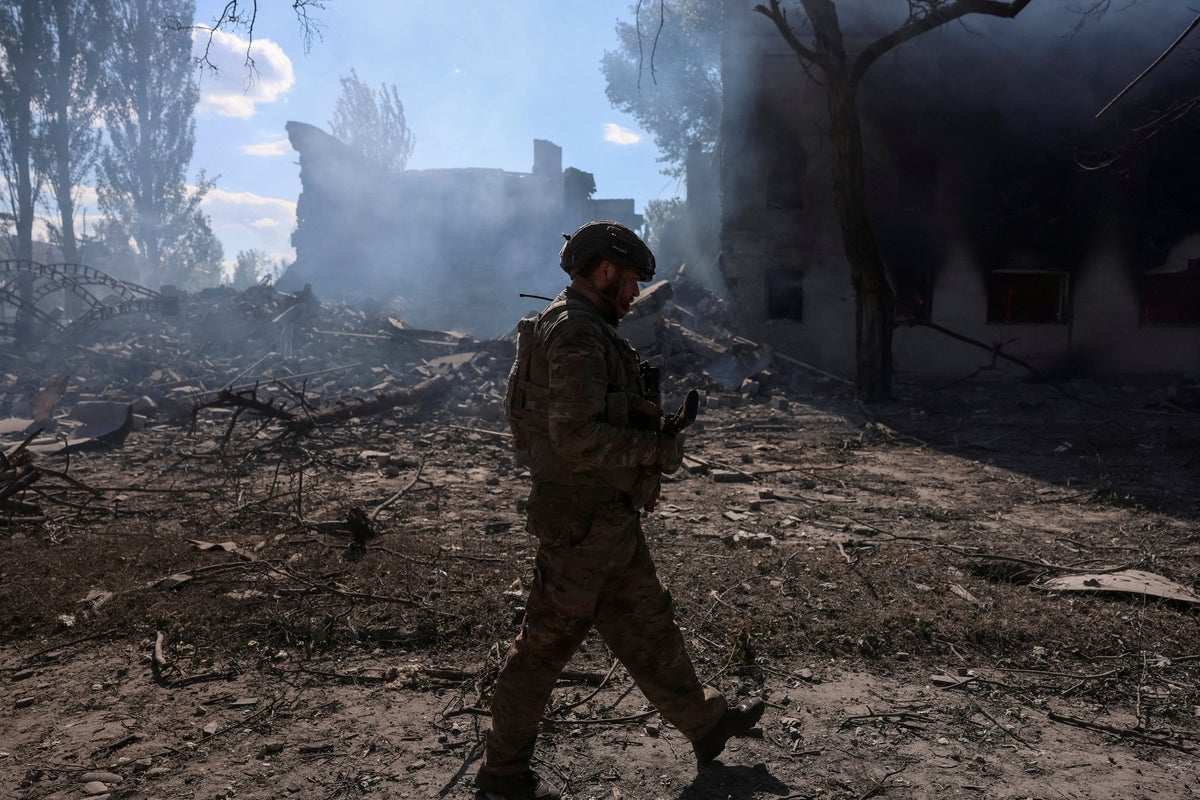
Sweltering in tanks in 37C: Ukrainian troops prepare to battle Russia in extreme heatwave
Key Points
Sweltering in tanks in 37C: Ukrainian troops prepare to battle Russia in extreme heatwave Days after a deadly heatwave swept across Europe, troops in Ukraine tell Alex Croft that they will try to use extreme weather to their advantage by disrupting Moscow’s supply routes - Bookmark - CommentsGo to comments Days after a deadly heatwave swept across western Europe, extreme temperatures have reached the frontline in Ukraine. The mercury hit 37C in areas of the frontline on Tuesday, a far cry...
Sweltering in tanks in 37C: Ukrainian troops prepare to battle Russia in extreme heatwave
Days after a deadly heatwave swept across Europe, troops in Ukraine tell Alex Croft that they will try to use extreme weather to their advantage by disrupting Moscow’s supply routes
- Bookmark
- CommentsGo to comments
Days after a deadly heatwave swept across western Europe, extreme temperatures have reached the frontline in Ukraine.
The mercury hit 37C in areas of the frontline on Tuesday, a far cry from the dangerous lows -20C that gripped the region months ago.
Sitting in large, steel Soviet-era tanks that turn into sun traps during the day, Ukrainian troops have been forced to adjust their schedules and strategies to cope with the scorching weather.
As Kyiv continues to seize the initiative in its defence against Russia, commanders say that troops will look to use the heat to their advantage, by targeting Russian supply routes and cutting off water.
But Ukrainian forces need to take extra precaution to avoid overheating - and guarantee that their own logistics routes are not disrupted by Russian attacks.
Emil Kastehelmi, military analyst at Finnish think tank Black Bird Group, says it is unlikely the heat will dramatically change the frontline dynamics, but it “can cause local changes if one side is trying to specifically gain benefit from it by targeting logistics”.
“During periods of extreme heat, the burden on logistics and sustainment increases significantly, making this factor especially important,” says the deputy commander of the NC13 Unmanned Ground Systems Strike Unit, callsign ‘Nats’.
The heat will directly affect the intensity of both Russia and Ukraine’s combat operations, boosting the risk of heat exhaustion, heatstroke, and physical fatigue. The demand for water, food and other resources therefore dramatically increases.
Analysis: Putin has finally admitted Russia is facing problems in Ukraine war – is he cracking?
Disrupting enemy logistics routes “directly affects” the enemy’s combat effectiveness on the frontline, Nats says - and the best ways to do this are by “limiting access to water, food and essential supplies”.
The most intense temperatures are set to hit Ukraine’s more southern regions, with areas along the frontline in Kherson and Zaporizhzhia experiencing up to 37C on Tuesday, with no reprieve until the weather front continues to move eastwards on the weekend.
Even the chillier northern parts of the frontline, including the Kharkiv region, where the NC13 unit is based, will see temperatures of up to 35C.
“Water must be brought to the frontline either by foot or by drones as you can't drive there, and if the water supply is seriously disrupted, for example in the area of some stations, the defender will quickly be in trouble,” says Kastehelmi.
“People cannot survive for long in heat above 30 degrees without water, and performance decreases very quickly when dehydrated.”
Soviet-era T-72 battle tanks used by Ukrainian forces, for example, turn into heat traps as they carry out frontline operations.
"The vehicle gets very hot after completing its mission. The temperature inside can become really hot," chief sergeant of the tank battalion of the 65th Separate Mechanized Brigade, using call sign "Sympatiaha", said.
"Unlike the Abrams, Challenger and Leopard tanks (supplied by) Western partners, this has no air conditioning."
The Soviet-era T-72 battle tanks can weigh between 41 and 45 tons. Sympatiaha’s fellow troops sat atop their tank, splashing water from a bottle onto their faces in an effort to cool down.
Temperatures similar to this year have been experienced before on the Ukrainian frontline - but Nats says it is a combination of conditions, rather than heat alone, that impacts how it will affect combat operations, listing: “Time spent in positions, the nature of combat operations, physical workload, and the quality of sustainment”.
Troops will adapt their routines, taking on the most intense activities at cooler times of day such as in the morning or night, Nats adds.
Far from the frontline, the combination of a scorching heatwave and four years of warfare is being felt by ordinary Ukrainians.
It has already caused power cuts across the country, as the battered energy network which came under repeated and sustained Russian attack over winter struggles to cope with the high temperatures.
Authorities enforced emergency power outages on Monday and Tuesday for industry as homes.
Sergii Kovalenko, CEO of the Yasno energy company, said the weather is a “serious test for equipment that has been operating under wartime conditions for more than four years and has withstood numerous attacks”.
As the summer is usually a peak period for repairing the energy network following a winter of Russian attacks, the grid is already “operating at the limit of its capabilities”.
Ukraine’s European neighbours, including Slovakia and Hungary, have seen temperatures soar past 40C as they face the brunt of the heat.
It follows a fatal week in western Europe, when hundreds died - most in France - after sweltering temperatures stayed above 40C for days on end in some areas. France, Germany and the UK all recorded record temperatures for June.
The World Health Organisation (WHO) said on Sunday that more than 1,300 excess deaths had been recorded since 21 June as a result of “high temperatures in Europe”, as France’s national health ministry said there had been around 1,000 more deaths than expected since Wednesday.
Join our commenting forum
Join thought-provoking conversations, follow other Independent readers and see their replies
Comments