
Business & Finance
China signals openness to reducing gaping EU trade surplus as Brussels toughens stance
Key Points
ExclusiveChina signals openness to reducing gaping EU trade surplus as Brussels toughens stance Beijing floated buying more European goods as the EU weighs new trade tools and presses for tangible progress by October China told the European Union that it is open to exploring ways to cut its massive trade surplus with the bloc during talks in Brussels on Monday, according to multiple people briefed on the discussion. Chinese Commerce Minister Wang Wentao signalled to EU trade chief Maros...
ExclusiveChina signals openness to reducing gaping EU trade surplus as Brussels toughens stance
Beijing floated buying more European goods as the EU weighs new trade tools and presses for tangible progress by October
China told the European Union that it is open to exploring ways to cut its massive trade surplus with the bloc during talks in Brussels on Monday, according to multiple people briefed on the discussion.
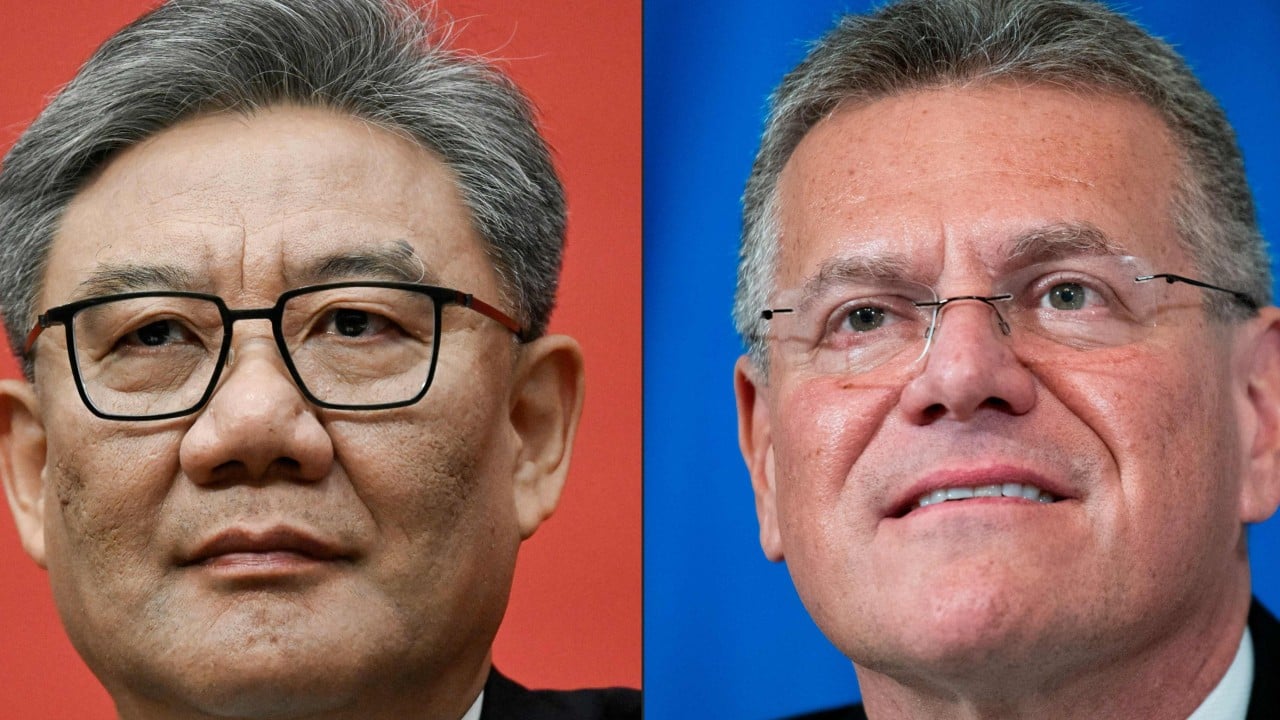
Chinese Commerce Minister Wang Wentao signalled to EU trade chief Maros Sefcovic that China was willing to consider purchase agreements covering European goods. The discussions touched on lowering tariffs on EU-made goods, in a rare sign that China recognises that its billion-euro a day trade surplus has become a political problem.
Related to that, Beijing is also, and perhaps surprisingly, open to slowing its massive surge in exports to the 27-member union, which has led to fears of European manufacturers being wiped out by cut-price and increasingly high-quality Chinese goods. But Wang expressed more enthusiasm for increasing imports from Europe, some of the people said.
Publicly, Beijing has played down the significance of the trade gap, insisting it is simply the result of market demand in Europe for Chinese goods. In previous meetings, Chinese officials have said Dutch export controls on expensive semiconductor-making machines prevent it from rebalancing trade.
The apparent shift on Monday could be due to an emerging EU appetite to gird its China policy with new weapons following a debate on the topic between the member states last month.
The EU is interested in using tariff-rate quotas to stem to stem the deluge of Chinese products arriving at EU ports in key sectors. This two-tiered system – known as safeguards – would allow a specific quantity of a product to enter a country at a reduced tariff rate. Once this limit is reached, any additional imports are subject to a significantly higher tariff.