
Environment
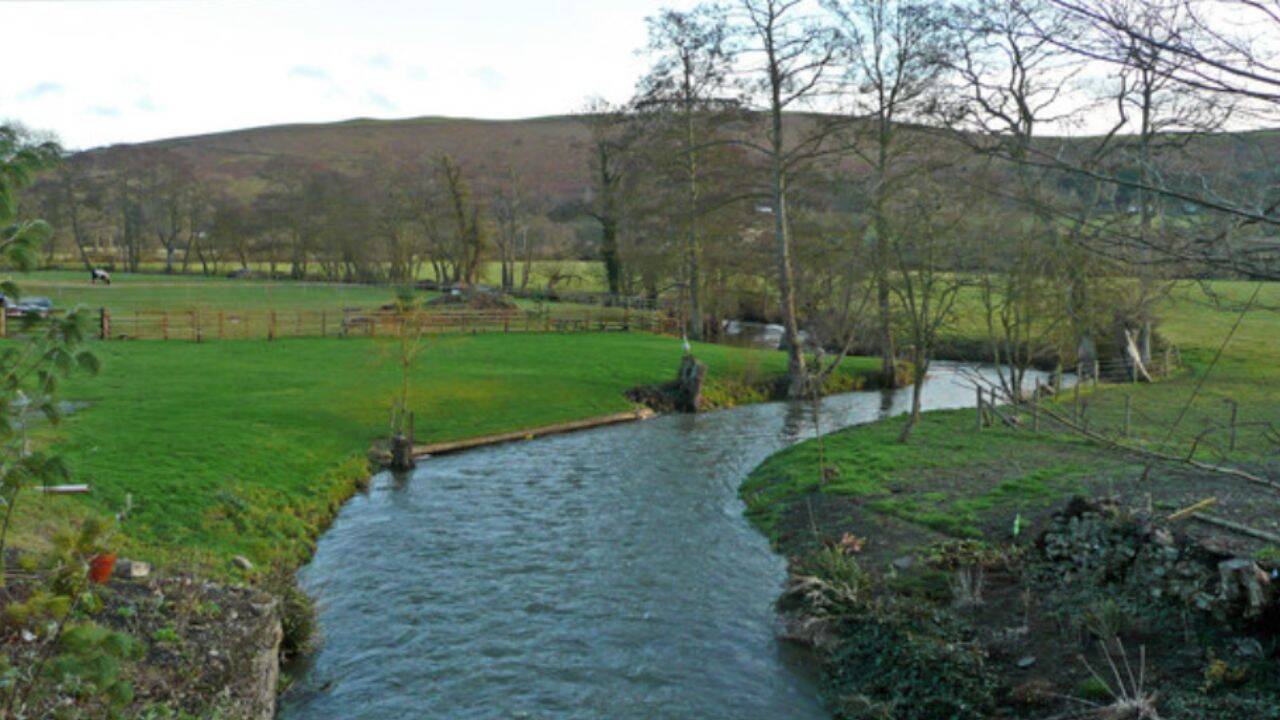
River straightened in the 1800s gets its natural wiggle back after 100 years
Key Points
"No man ever steps in the same river twice," wrote Greek philosopher Heraclitus. For more than a century, however, England's River Kemp was kept within bounds. Its natural curves were carved into a straight channel by landowners in the 1800s, turning what was once a wandering waterway into something closer to a man-made drain.
"No man ever steps in the same river twice," wrote Greek philosopher Heraclitus. For more than a century, however, England's River Kemp was kept within bounds.
Its natural curves were carved into a straight channel by landowners in the 1800s, turning what was once a wandering waterway into something closer to a man-made drain. The river lost its freedom, wildlife lost its home, and the surrounding floodplain slowly fell silent.
Now, in a rare case of humans undoing their own handiwork, the River Kemp is flowing the way nature intended again. After an 18-month restoration project in south Shropshire, engineers, conservationists and local farmers finally broke through the last muddy barrier separating the river from its centuries-old route, known as the "Walcot Wiggle." As water rushed into the forgotten channel for the first time in generations, there were cheers, hugs and even tears.
The restoration, led by the Severn Rivers Trust alongside local landowners and environmental groups, is about far more than giving a river back its bends. It is about giving an entire ecosystem another chance to breathe.
For decades, the straightened river raced through the landscape, bypassing the floodplain that naturally stores excess water during heavy rain.
Now, with its wider and shallower course restored, the river will slow down, spill gently into surrounding wetlands when needed, and help reduce flooding downstream, the way it did long before humans intervened.
The newly restored wetlands are expected to become a haven for insects, fish, wildflowers and wading birds. The project also lies within the headwaters of the River Clun, home to the endangered freshwater pearl mussel, making the restoration important not just for the local countryside but for internationally significant wildlife.
Today, the freshly dug banks may still look raw. But, in the coming months and years, grass will spread, flowers will bloom, insects will arrive, birds will follow, and the river will once again shape the landscape instead of fighting against it.