
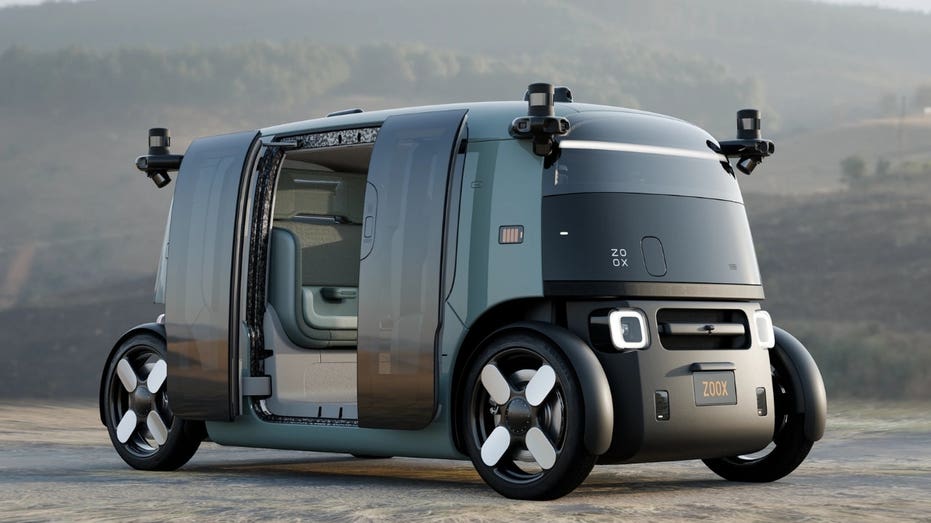
Zoox has a new version of its robotaxi, and yes, it still looks like something that rolled in from the future. The Amazon-owned company has updated its custom-built electric robotaxi with new comfort and usability upgrades. The vehicle still has no steering wheel or pedals, and it can still drive in either direction. However, Zoox now wants the inside to feel less like a tech demo and more like a ride you might actually relax in.
That is a big shift. Once robotaxis move beyond early testers and start picking up more riders, small things suddenly become important. A stiff seat, a sliding phone or a cupholder that cannot handle your giant iced coffee can turn a futuristic ride into an annoying one fast. Zoox says the new updates came from testing, early deployments and feedback from half a million riders. In other words, this robotaxi makeover seems designed for the people sitting inside, not the engineers admiring it from the curb.
Sign up for my FREE CyberGuy Report.
WOULD YOU RIDE IN WAYMO'S NEW OJAI ROBOTAXI?
Plus, you'll get instant access to my Ultimate Scam Survival Guide free when you join.
The biggest changes are inside the cabin. Zoox added more padding and ergonomic curves to the seats and headrests. That should help make the ride feel more comfortable, especially if you hit rough pavement or sit in the vehicle for more than a quick hop across town. The company also updated the color, materials and finish. The new interior uses aloe-green seating with stone-grey flooring and trim. Zoox says the lighter palette creates a calmer cabin.
There is another everyday benefit, too. A lighter interior can make it easier to spot your phone, keys or wallet before the vehicle pulls away. Anyone who has ever left something in the back seat of a rideshare knows how stressful that moment can be. Zoox also added fluting to the wireless charging pad to help keep phones in place. The cupholders are larger. The touchscreen is easier to see. None of that sounds dramatic, but those details become important when a vehicle may eventually shuttle lots of people a day.
The core Zoox design has not changed. CyberGuy previously reported on Zoox's first public-road robotaxi milestone back in 2023, when the company's autonomous vehicle carried passengers in Foster City, California. This is still a purpose-built autonomous vehicle, not a regular car with self-driving software added later. There is no driver's seat, steering wheel or traditional controls.
The vehicle has carriage-style seating for four people, with passengers facing each other. It also has a moonroof, starry night lighting and a sensor setup that includes cameras, radar, lidar and long-wave infrared sensors.
The robotaxi can drive bidirectionally, which means it does not need to turn around the way a normal car does. It also uses four-wheel steering and can travel at speeds of up to 75 miles per hour. That design is the whole point of Zoox. The company wants a robotaxi built around riders from the start. Still, that also makes federal approval more complicated because many vehicle rules were written for cars with human drivers.
Zoox also made exterior changes that focus on visibility and communication. The company relocated its bidirectional reflectors so people outside the vehicle can better understand which direction it is moving. Zoox says those reflectors rotate color to clearly distinguish the robotaxi's front from its rear. That is important because a boxy robotaxi that can drive both ways may confuse pedestrians, cyclists or other drivers.
Zoox also added a new speaker and microphone to the door interface. The vehicle now supports two-way audio, which can help riders talk with Zoox Support. It may also help first responders communicate in an emergency. That may sound like a small upgrade, but it is important. If there is no driver, someone still needs a clear way to talk to the vehicle, the rider or support staff when something goes wrong.
Zoox says this latest version is its production intent vehicle, and it plans to move into large-scale production at its robotaxi facility in Hayward, California. Zoox says it is live in Las Vegas and San Francisco, while Austin and Miami are listed as "Now Arriving" on its ride pages. Availability varies by city, so this is still not the same as opening an app anywhere and calling a ride. Zoox says riders can download the app at zoox.com/app to ride in Las Vegas or join the waitlist in other cities. Zoox wants to make the updated robotaxis available to more riders later this year, but that expansion remains subject to regulatory approval.
WAYMO RECALLS ROBOTAXIS OVER CONSTRUCTION-ZONE RISK
Zoox has petitioned NHTSA for a temporary exemption from certain requirements in eight Federal Motor Vehicle Safety Standards for its automated vehicle. NHTSA previously granted Zoox a demonstration exemption for its driverless vehicles, but broader commercial deployment still depends on regulatory approval. That decision could shape how quickly Zoox moves from limited access to more widespread availability.
This update says a lot about where robotaxis are headed. The early race focused on whether autonomous vehicles could safely drive through cities. Now, companies also have to prove that people will enjoy using them. That is a different challenge.
You may be willing to try a robotaxi once because it feels new. However, would you use one again if the seat feels stiff, your drink tips over or you cannot figure out how to get help? Probably not.
Zoox seems to understand that. The company is polishing the experience before it tries to scale the service. That makes sense because robotaxis will be judged by the whole ride, including whether the vehicle feels safe, comfortable and easy to use.
Zoox isn’t alone in the robotaxi race. Waymo already operates in several markets, Tesla has been pushing its own robotaxi plans and other autonomous vehicle companies continue to test driverless technology. Zoox stands out because its vehicle has no traditional driver setup at all. That makes it visually striking, but it also puts the company closer to the center of the regulatory debate.
Federal rules still have to catch up with vehicles that were never designed for a human driver. Until that happens, companies like Zoox may need exemptions before they can fully launch paid service. For riders, the question becomes less about whether the technology looks cool and more about whether it feels safe, comfortable and easy to use.
Your phone holds your email, passwords, photos, banking apps and personal data. In this free CyberGuy Live replay, Kurt the CyberGuy walks you step by step through simple phone security fixes you can do at your own pace. You’ll learn how to improve your privacy settings, spot the latest phone scams, use trusted security tools and walk away with a simple checklist to stay protected. Watch the replay and get our checklist here: CyberGuyLive.com
Zoox's updated robotaxi shows how autonomous vehicles are moving into a new phase. The technology still has to prove itself on safety, but the ride experience now counts too. Better seats, clearer screens, larger cupholders and easier communication may sound minor, yet those are the things that become important for everyday riders. The bigger issue is approval. Zoox can make the cabin calmer and more comfortable, but broader commercial deployment still depends on regulatory approval. That is the part to follow closely because it could affect how quickly steering-wheel-free robotaxis show up in your city.
Would you climb into a driverless taxi with no steering wheel if it looked this calm inside, or would you still want a human at the controls? Let us know by writing to us at Cyberguy.com
Sign up for my FREE CyberGuy Report
Copyright 2026 CyberGuy.com. All rights reserved.