
Technology
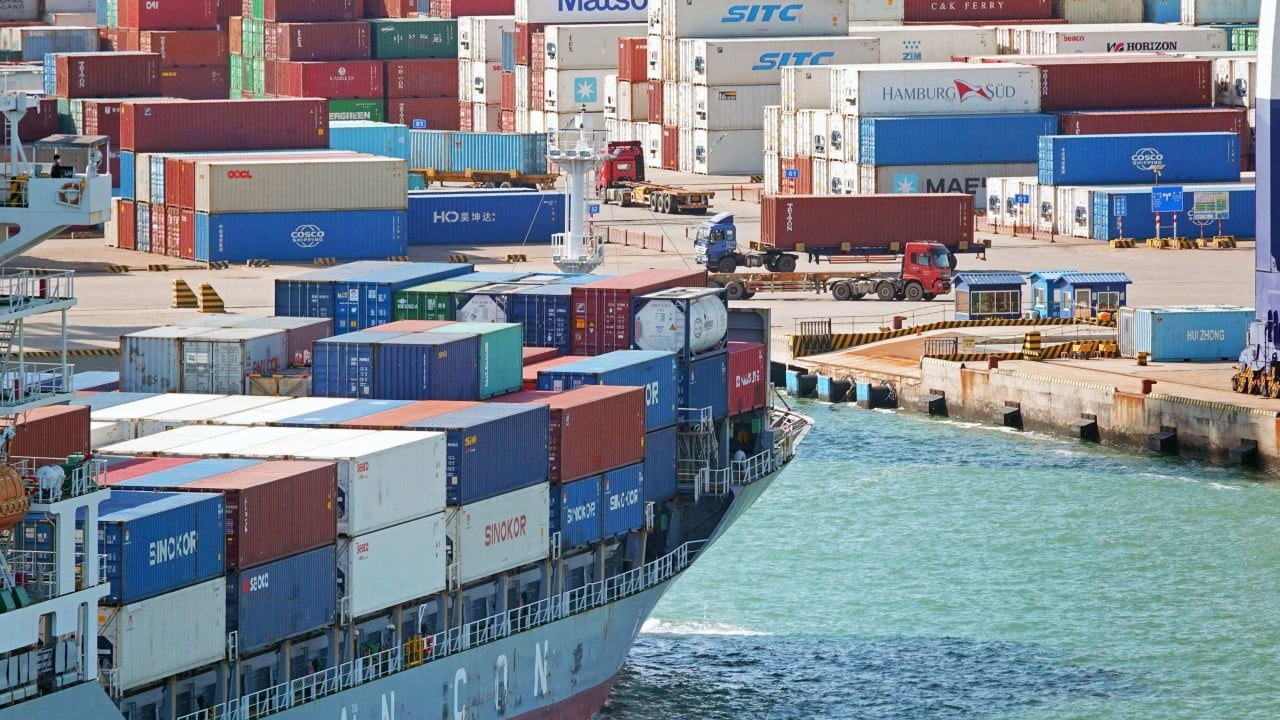
China’s influence on African ports extends to software, automation and AI: study
Key Points
Advertisement China’s influence on African ports extends to software, automation and AI: study The Africa Centre for Strategic Studies says Chinese firms are deeply embedded across the continent’s maritime networks 3-MIN READ3-MIN Chinese firms not only operate, finance or hold stakes in about one third of all ports in Africa, but Beijing now also controls the software, automation and artificial intelligence (AI) tools that run the infrastructure. And that reach extends well beyond the...
Advertisement
China’s influence on African ports extends to software, automation and AI: study
The Africa Centre for Strategic Studies says Chinese firms are deeply embedded across the continent’s maritime networks
3-MIN READ3-MIN
Chinese firms not only operate, finance or hold stakes in about one third of all ports in Africa, but Beijing now also controls the software, automation and artificial intelligence (AI) tools that run the infrastructure.
And that reach extends well beyond the docks, with Beijing financing and operating the road, rail and warehousing networks connected to these ports and other maritime projects across the continent, closely intertwining African trade with China’s own trading systems.
These are the findings of a study released last month by the Africa Centre for Strategic Studies, which concludes that China has established shipping corridors linking African port clusters to Chinese hub cities such as Qingdao and Yantai in Shandong province, reflecting Africa’s deepening integration into China-centred maritime networks.
According to the report, Chinese maritime influence spans key routes including the Gulf of Aden, Gulf of Guinea and Cape of Good Hope – vital corridors for its energy imports and other seaborne trade that together carry about US$350 billion in annual commerce.
Much of this activity stems from Beijing’s Belt and Road Initiative, launched in 2013 to connect China to world markets via improved land and sea routes. Since then, China has invested an estimated US$50 billion in African port infrastructure, according to the centre’s research. China–Africa trade rose by nearly 18 per cent in 2025, Chinese customs data show.
Advertisement
Select Voice
Select Speed
1.00x
[Image text:] OSCO
HO
SITC
C&KFERR
HAMBURG
SUD
VAHORIZON
HUI ZHONG
SINCKOR
SEDCO
SACIOR
SINOKOR
SXCROR