
Politics
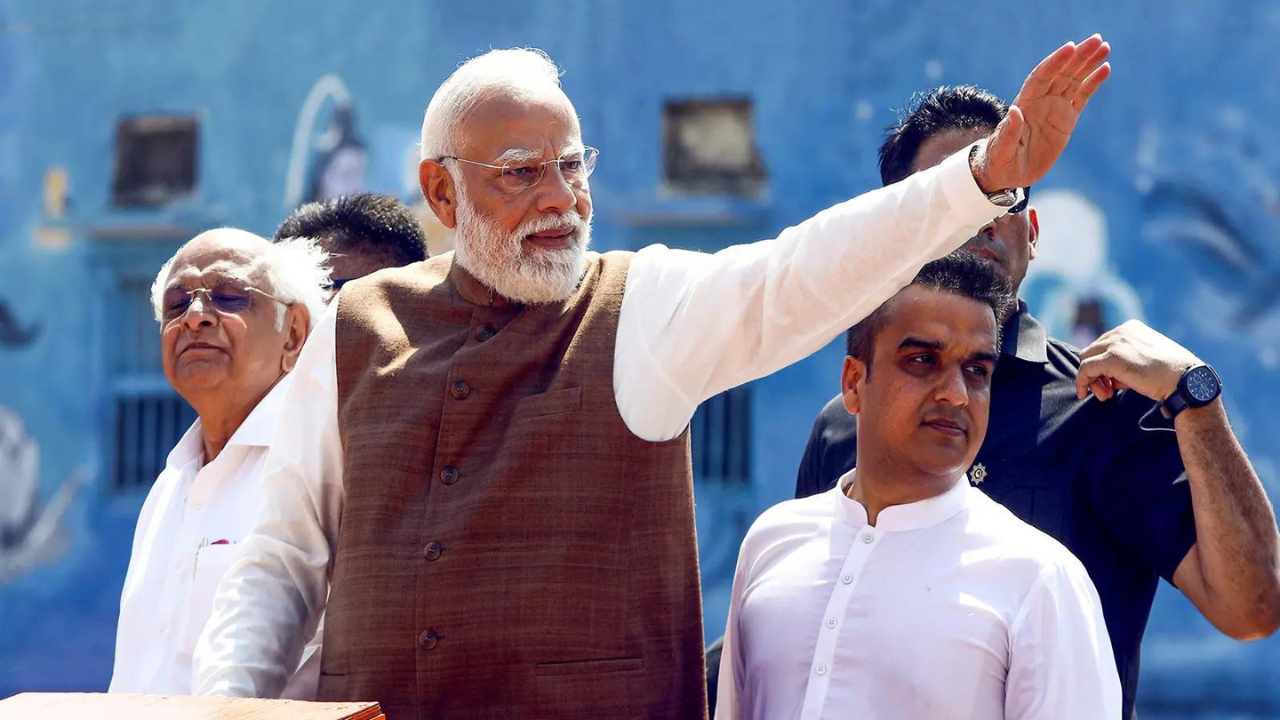
India bucking trend by adding refining capacity: PM Modi
Key Points
While people were busy spreading rumours of a crisis, govt was quietly ramping up domestic LPG production, diversifying crude supplies and leveraging diplomacy to shield consumers from shortages and steep price shocks during the worst energy crisis in decades caused by the West Asia war, PM Modi said on Saturday. Speaking at the inauguration of HPCL Rajasthan Refinery Ltd's greenfield refinery-cum-petrochemical complex at Pachpadra in Rajasthan's Balotra district, Modi said the refinery was...
While people were busy spreading rumours of a crisis, govt was quietly ramping up domestic LPG production, diversifying crude supplies and leveraging diplomacy to shield consumers from shortages and steep price shocks during the worst energy crisis in decades caused by the West Asia war,
PM Modi said on Saturday.
Speaking at the inauguration of HPCL Rajasthan Refinery Ltd's greenfield refinery-cum-petrochemical complex at Pachpadra in Rajasthan's Balotra district, Modi said the refinery was part of a sustained expansion of the country's refining capacity. "Not a single new refinery has been built in the US in the last 50 years, while Europe's refining capacity has steadily declined. India has become the 4th-largest refining nation in the world, and we'll continue to expand this capacity."
India overcame what he described as the biggest energy crisis of the 21st century through timely policy interventions and strategic decisions that enabled the country to weather the disruption.
Timely policies helped weather oil crisis: PM Modi
Prime Minister Modi said timely policy interventions and strategic decisions enabled the country to weather the disruption in the oil crisis while many nations grappled with fuel shortages and soaring prices.
“While some forces were busy spreading rumours and fear publicly, behind the scenes, immense work was being done day and night,” Modi said, in what appeared to be a dig at opposition who had predicted an economic tsunami.
“Those who wished to see India fail, who even made predictions of failure, must today be drowning in despair,” the PM added.
Recounting the crisis, the PM said that immediate challenge was keeping enough stocks of cooking gas, as India imports around 60% of its LPG requirement, with nearly 90% of those supplies coming from Gulf countries through the Strait of Hormuz before the conflict.
“You can imagine the chaos that could have erupted,” Modi said, adding that as soon as the crisis began, refineries were asked to maximise LPG production. As a result, LPG production rose from 35,000 tonnes to 54,000 tonnes within seven days.
Govt also expanded piped natural gas connections to reduce pressure on LPG supplies, he said. Modi said despite the disruption, domestic consumers were protected from the full impact of the price surge. The conflict also pushed crude oil prices from around $70 a barrel to $120 and disrupted supply lines. There was no fuel rationing even for a day, the PM stressed. He also said that oil companies in India absorbed losses of more than Rs 75,000 crore between April and June.
Modi credited India’s diplomatic outreach for helping diversify energy imports during the crisis. Before the conflict, India sourced crude and other energy supplies from about 26 countries. During the crisis, that number increased to more than 40. “India sent a clear message to the world — for us, national interest and the welfare of our citizens are paramount,” he said.