
Politics
Anti-drug video fiasco not a vote of confidence in Hong Kong’s AI goals
Key Points
Anti-drug video fiasco not a vote of confidence in Hong Kong’s AI goals If the authorities can’t use the technology appropriately for one video, one wonders how they can address other concerns posed by artificial intelligence The Correctional Services Department released the video, generated by artificial intelligence (AI), on June 26 before having to pull it twice, ahead of the anniversary. The video – featuring an appealing K-pop girl band dancing and at certain points singing the praises...
Anti-drug video fiasco not a vote of confidence in Hong Kong’s AI goals
If the authorities can’t use the technology appropriately for one video, one wonders how they can address other concerns posed by artificial intelligence
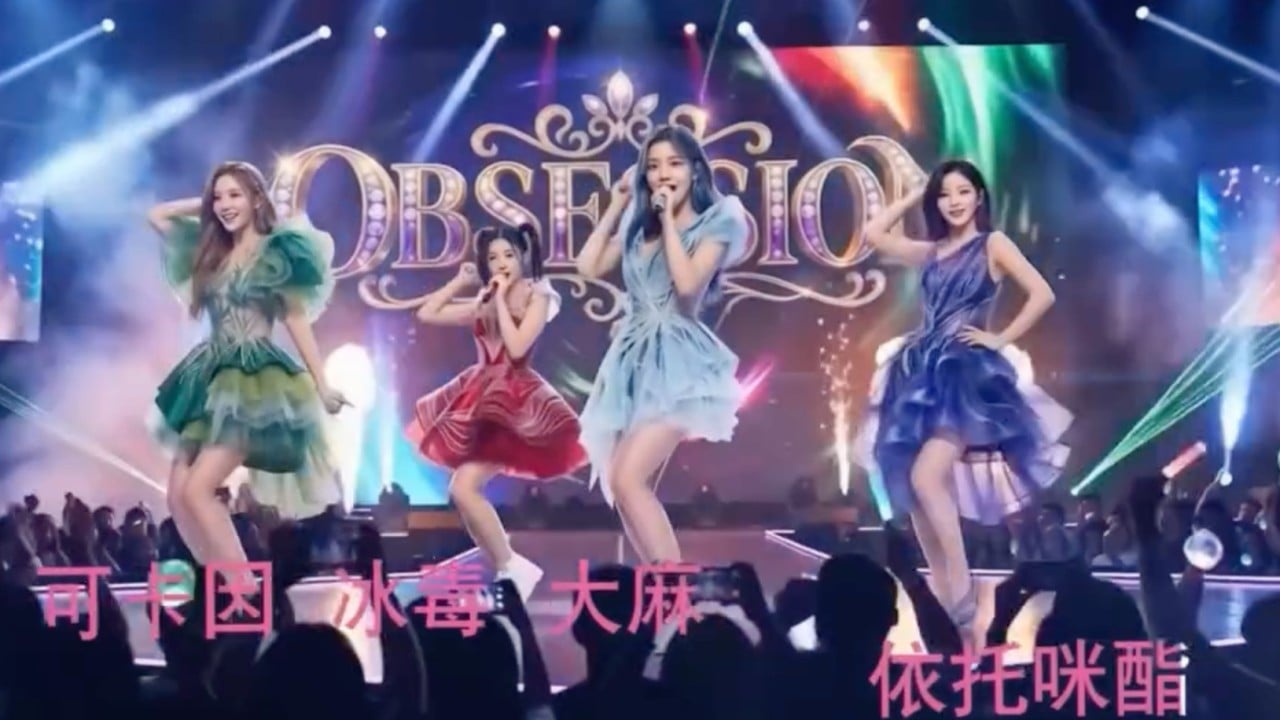
The Correctional Services Department released the video, generated by artificial intelligence (AI), on June 26 before having to pull it twice, ahead of the anniversary.
The video – featuring an appealing K-pop girl band dancing and at certain points singing the praises of the effects of narcotics – received a great deal of attention, with international news coverage and a slew of memes, sticker packs, fan pages, song parodies and selfies.
This level of public engagement generated by a government department is rare. But what went viral is the story of an anti-drug message gone wrong and at this point it’s safe to say that the intended message has been lost.
Thanks to a colossal display of ignorance, incompetence and overzealous use of AI, the video has become an international facepalm sensation.
Someone decided it was a good idea to personify cocaine, crystal meth, cannabis and etomidate as K-pop singers. Someone didn’t seem to realise they were making these drugs look appealing, so much so that social media users had to point this out to the Correctional Services Department.
[Image text:] DBSESIO
EAK