
Weather
America’s tornado threat is shifting—and more families are in danger
Key Points
America’s tornado threat is shifting—and more families are in danger When tornadoes threaten in Nashville, Tennessee, many people here turn to Nashville Severe Weather - Bookmark While fictional portrayals like 9-1-1: Nashville depict a city constantly under siege from tornadoes, the reality is that severe storms are a regular part of life in Tennessee's capital. When dangerous weather strikes, many residents turn not to television, but to Nashville Severe Weather. The volunteer-run service,...
America’s tornado threat is shifting—and more families are in danger
When tornadoes threaten in Nashville, Tennessee, many people here turn to Nashville Severe Weather
- Bookmark
While fictional portrayals like 9-1-1: Nashville depict a city constantly under siege from tornadoes, the reality is that severe storms are a regular part of life in Tennessee's capital. When dangerous weather strikes, many residents turn not to television, but to Nashville Severe Weather.
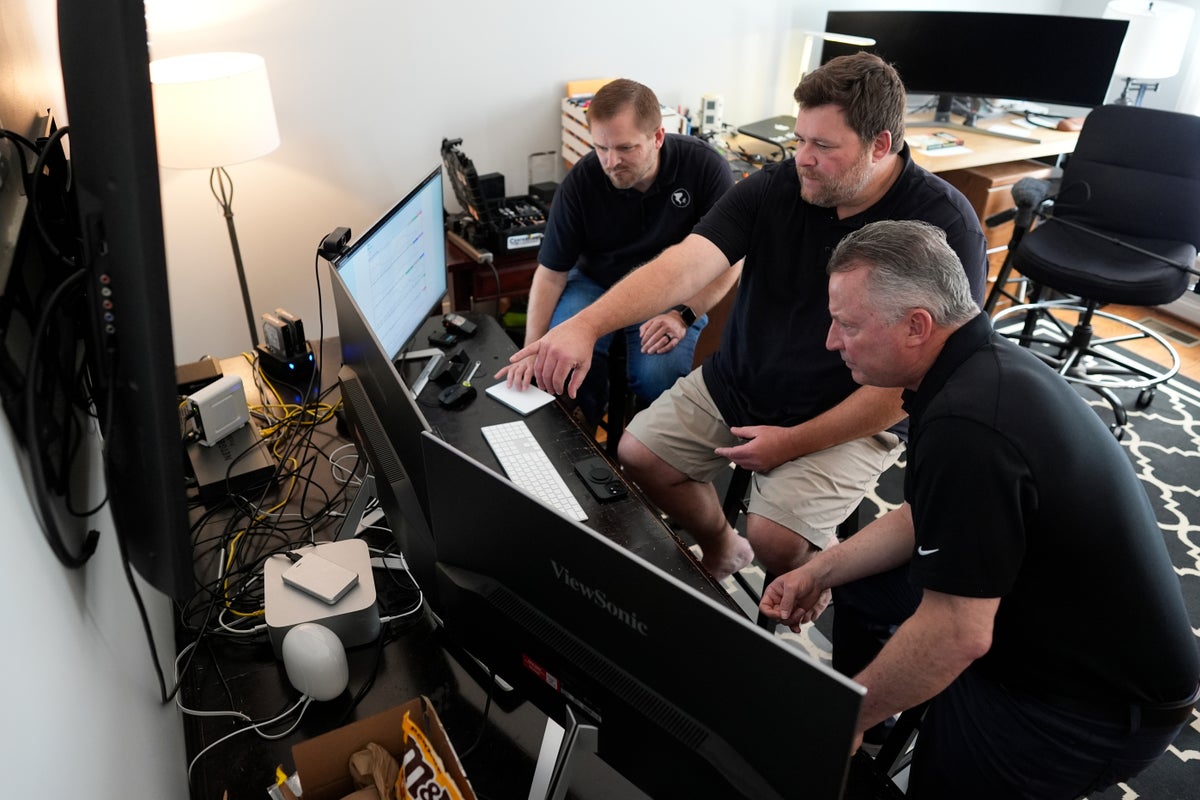
The volunteer-run service, active across social media, provides calm, real-time updates on storm movements, tells people when to take shelter and when it's safe to emerge. The coverage from Will Minkoff, Andrew Leeper and Tom Johnstone attracts tens of thousands of viewers who follow along live.
It is a throwback to the internet's early promise: community-driven, public-service information delivered without sensationalism. Its rise also reflects broader changes in how Americans consume news.
Kevin Trowbridge, who teaches strategic communication at Belmont University, said an informal survey of his students found that most relied on Nashville Severe Weather rather than local TV.
"The millennials and Gen Z — and teaching college students, I know this all too well — their source of information is that handheld device," he said. "It's not turning on a TV. And it's not even looking at a traditional media outlet's online presence. It's finding sources that provide them quick information when they need it."
The group's success also illustrates several wider trends: a shifting Tornado Alley, the effects of climate change, the power of social media and the growing importance of hyperlocal information that can genuinely save lives.
What began more than a decade ago as a Twitter feed and blog now becomes a live YouTube broadcast whenever Nashville and surrounding counties face severe weather. Unlike many online weather personalities, Leeper, Minkoff and Johnstone all live in the communities they cover, facing the same storms as their audience.
"There's something about Nash Severe Weather that's different from the hobbyist enthusiast," Trowbridge said. "That's why people are following them. That's why they are trusting them. ... It is authentic and real."
Leeper, a church pastor, has become known for his reassuring delivery and for a sign behind him that reads "prepared not scared." During one livestream, he briefly interrupted coverage to wake his family and move them into their safe space before returning once the danger had passed, modeling the advice he gives viewers.
Katherine Moffat, executive director of the Tennessee Academy of Physician Assistants, said that approach stands in contrast to some television coverage.
"They're a little more calm and telling it to you straight," she said. "They don't get people overly excited."
Demand for that style of reporting has only grown.
Tom Johnstone, who joined the group after 33 years with the National Weather Service, said the nation's traditional "Tornado Alley" has been shifting eastward.
"The mid-South, especially down through Alabama, Mississippi, and into Tennessee and western Kentucky, has been where tornadoes have been most frequent ... and people have been dying in the highest numbers," he said.
Michelle Stewart, a project manager at a healthcare research company, said she now relies almost entirely on Nashville Severe Weather's push notifications, particularly after an ice storm knocked out power and internet across much of the city.
"They are very informative about not just what to expect, but how to be prepared ... it kind of feels like you're talking to your neighbor," Stewart said. "They are so calming to me during those live events."
Former Nashville City Council member Brett Withers, whose district saw two deaths during the 2020 tornado outbreak that killed 24 people across Tennessee, called the service "a godsend."
"We have so many people moving to Nashville, and they might move from places where tornadoes are rare, if they ever happen," he said.
The group's popularity defies many assumptions about building an online audience. Their livestreams are simple and largely unpolished. Rather than chasing storms or broadcasting dramatic footage, they spend hours analyzing weather radar while speaking to viewers from their homes.
Even their graphics are deliberately low-tech. A fan favorite is the "Dry Air Monster," a stick figure with oversized jaws created by co-founder David Drobny to humorously explain how dry air can "eat" snow headed toward Nashville. Its catchphrase: "No Snow for You."
Their hyperlocal approach also fills a gap that television meteorologists, who often cover dozens of counties, struggle to match.
"One of the things that Nash Severe can do that even the TV stations have trouble doing is really bring it down to intersection level, school level, church level to let people know where the danger and the threat is," Johnstone said.
Coverage is highly interactive. Viewers send photos, videos, and reports from the ground, while volunteers answer questions live and relay useful information to the National Weather Service and local TV meteorologists.
Leeper recalled a particularly memorable livestream when schools dismissed students early due to a tornado threat. A child watching alone at home wrote in the chat, prompting the team to pause their weather analysis.
"We just stopped what we were saying on the stream, and I said, 'Hey. It dawns on me that we've got a bunch of kiddos at home that are maybe by themselves. Hey. Here's what you do,'" Leeper said.
For the volunteers, the work carries emotional weight.
In 2023, after a tornado killed a mother and her young child living in a trailer, Leeper attended their visitation despite never having met them.
"It just creates a whole other emotion when you walk into a funeral visitation for hurting families when it's a weather event that you covered," he said. "It's not all action and adventure. It really affects people's lives forever."