
Environment
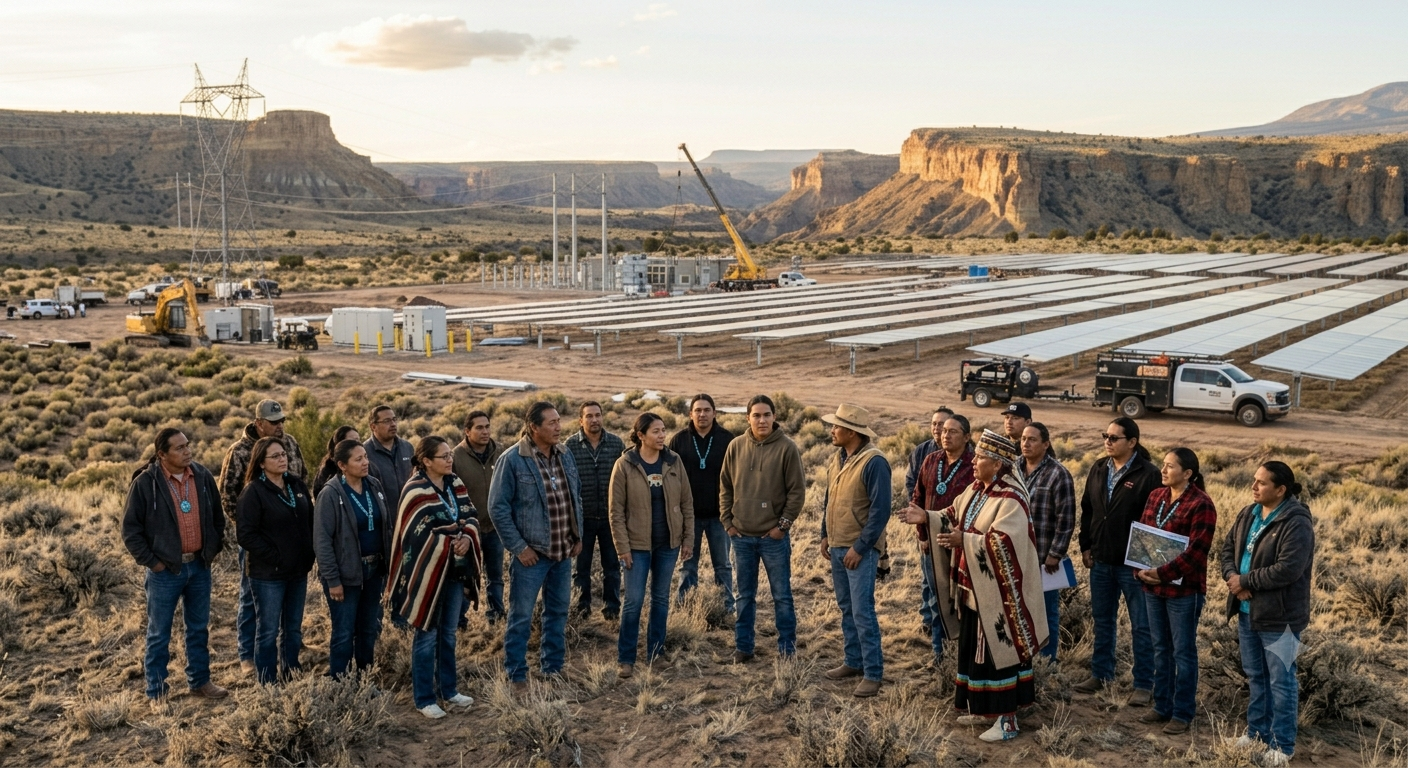
Tribe once relied on oil and gas, now its land will power Meta data center
Key Points
A Native American tribe that once depended heavily on oil and gas is now preparing to supply clean energy to a new Meta data centre. The Ute Mountain Ute Tribe has begun work on the Foxtail Flats solar project on its land in New Mexico, marking a major shift in its long-term energy strategy after years of planning. The project comes at a time when renewable energy developers across the US are facing growing uncertainty.
A Native American tribe that once depended heavily on oil and gas is now preparing to supply clean energy to a new Meta data centre. The Ute Mountain Ute Tribe has begun work on the Foxtail Flats solar project on its land in New Mexico, marking a major shift in its long-term energy strategy after years of planning.
The project comes at a time when renewable energy developers across the US are facing growing uncertainty. The administration of Donald Trump has ended tax credits for renewable energy projects, criticised solar and wind power, and tightened the federal approval process for new projects. Even so, the tribe secured the permits it needed before the policy changes took effect.
Over the next 18 months, the project will install solar panels capable of generating 270 megawatts of electricity along with 180 megawatts of battery storage. Part of the electricity generated will power a new data centre being built by Meta Platforms near Albuquerque, New Mexico.
For decades, oil and gas development was one of the tribe's biggest sources of income, at one point contributing more than half of its annual budget. But as revenue declined over the years, tribal leaders began looking for a more stable long-term source of income.
Around 15 years ago, the tribe started identifying sites for utility-scale solar projects as the US expanded support for renewable energy.
Federal grants and technical assistance available at the time helped tribal communities explore large-scale clean energy development and prepare long-term plans.
The tribe first invested in rooftop solar before building a one-megawatt solar plant that supplies electricity to its casino. That smaller project helped attract interest from developers and laid the groundwork for a much larger investment.
By 2023, the tribe had identified Foxtail Flats as the site for a utility-scale solar project. The location gained further importance after a nearby coal-fired power plant was demolished, leaving behind transmission lines that connect electricity markets across New Mexico, Colorado, Utah, Arizona, California and Texas.
The shift towards renewable energy has also come as the tribe experiences the effects of a changing climate. Local officials have reported that several springs on tribal land have dried up over the past few decades, raising concerns about water resources and traditional cultural practices.
The Foxtail Flats project almost faced another hurdle after changes in federal policy. Interior Secretary Doug Burgum directed that federal permits for wind and solar projects be routed through his office, adding more layers to the approval process.
According to the Solar Energy Industries Association, the new permitting process has slowed renewable energy development across the country. The industry body estimates that 36 per cent of the electricity generation capacity planned to come online by 2030 could be delayed because of the administration's actions.
The Ute Mountain Ute project avoided those delays because its developers obtained the required federal approvals before the new rules came into force. Concerns over financing also eased once the project secured the necessary permits.
Once completed, the project will supply electricity to public utilities in New Mexico, with one of its customers being Meta's new data centre near Albuquerque.