
Health
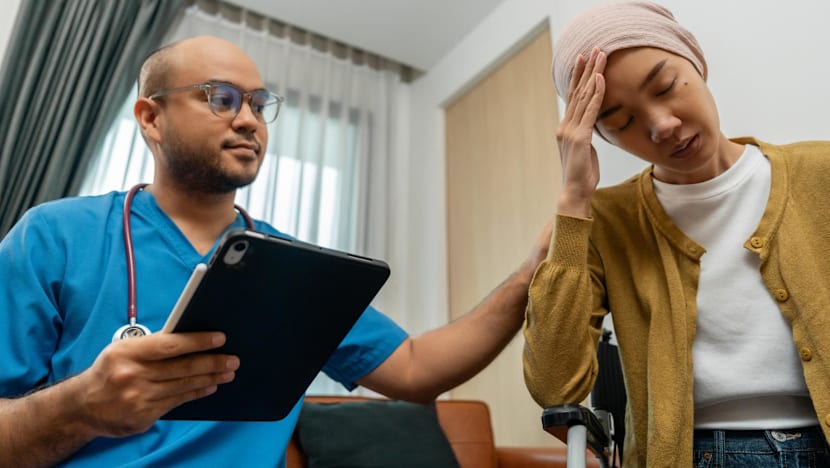
How patients can manage cancer fatigue at work and home – and how caregivers can help
Key Points
How patients can manage cancer fatigue at work and home – and how caregivers can help Cancer fatigue affects most patients during treatment and can linger long after therapy ends. Doctors explain why it happens, how patients can conserve energy and navigate work responsibilities – and what colleagues, friends and family can do to offer meaningful support. For cancer patients, crossing the five-year mark without any further detection of cancer cells in scans, bloodwork or other tests is a...
How patients can manage cancer fatigue at work and home – and how caregivers can help
Cancer fatigue affects most patients during treatment and can linger long after therapy ends. Doctors explain why it happens, how patients can conserve energy and navigate work responsibilities – and what colleagues, friends and family can do to offer meaningful support.
For cancer patients, crossing the five-year mark without any further detection of cancer cells in scans, bloodwork or other tests is a major milestone. That’s when you earn the coveted words “in remission” on your oncologist’s file.
But getting there takes time, treatment – and tiredness, otherwise known as cancer fatigue. It is “a persistent, overwhelming sense of physical, emotional or cognitive tiredness related to cancer or its treatment”, said Dr Tanujaa Rajasekaran, a medical oncologist from Mount Elizabeth Novena Hospital’s Parkway Cancer Centre (PCC).
According to Cleveland Clinic, cancer fatigue affects 80 per cent to 100 per cent of people with cancer. In fact, unusual fatigue is often one of the first signs that prompt patients to seek medical attention.
“Cancer fatigue is different from normal tiredness because it is disproportionate to the amount of activity performed, and is often not relieved by adequate rest or sleep,” said Dr Rajasekaran. Some of the symptoms include brain fog, feeling weak or heavy, sleep disturbances despite feeling tired, and/or poor endurance when walking or exercising, she cited.
Cancer fatigue’s duration varies from person to person, said Dr Amit Jain, a senior consultant with National Cancer Centre Singapore’s (NCCS) Department of Lung, Head & Neck and Genitourinary, Division of Medical Oncology. “In general, when cancer has been cured and patients are in remission, they should no longer have any cancer fatigue,” he said.
“Similarly, treatment-related fatigue should improve when a patient is no longer undergoing active treatment,” said Dr Jain. However, “long-term complications from the cancer or irreversible side effects from treatment” can sometimes prolong the tiredness.
If you’re a cancer patient undergoing treatment or in remission but are still finding cancer fatigue insurmountable, find out how to better pace your energy. Conversely, how can you – as a friend, family member or colleague – be a better ally to the cancer warrior in your life.
But first, hear from the doctors the causes of the cancer-related tiredness.
WHAT CAN CAUSE CANCER FATIGUE?
One, tumours are known to consume high amounts of energy and nutrients to grow. Two, “the immune system releases cytokines (hormone-like proteins) to fight the tumour and repair damaged tissue, triggering chronic inflammation that mimics the heavy body aches and draining fatigue of a severe flu”, explained Dr Francis Chin, the vice president of 365 Cancer Prevention Society (365CPS) and a senior consultant at Curie Oncology.
The same inflammation-causing cytokines can also trigger fatigue in another way. Cytokines interfere with the hypothalamus in the brain – the area that controls hunger – and trick the body into not feeling hungry, according to a 2021 study that reviewed appetite problems in cancer patients. As a result, the patient doesn't eat enough to fuel his or her body, which then leads to low energy levels.
Sometimes, tumours found in or around parts of the digestive tract are the culprits, according to American Cancer Society. They may make it harder for the patient to eat, cause trouble swallowing, or create fullness after consuming a small amount of food. Then, there’s the chronic, severe pain that some patients bear, which increases fatigue by preventing restful sleep.
And that’s not factoring in the treatments yet. “Treatments often lower red blood cell counts, resulting in anaemia that restricts oxygen transportation to the muscles and vital organs,” said Dr Chin. Also, “treatments can disrupt hormonal levels (oestrogen or testosterone), which further throws off the body's natural energy regulation”.
Of the types of treatment commonly used – including chemotherapy, surgery, radiation, immunotherapy and hormonal therapy – “chemotherapy may cause more cancer fatigue as it kills or slows the growth of cancer cells along with healthy cells, which can cause energy to drain from the body”, said Dr Jain.
Further trapping patients in an energy-draining loop are treatment-related stress, anxiety and low mood influencing fatigue and vice versa.
“Feeling fatigued and not well-rested from cancer treatments can lead to a person feeling anxious, irritable and down,” explained Dr Jain, which can consume mental and physical energy, and lead to “further exhaustion that compounds fatigue that results from treatment”.
Furthermore, he added, symptoms of depression such as decreased interest and joy, low motivation, slowed movements and reduced activity may present as or worsen cancer-related fatigue.
HOW CAN PATIENTS PACE THEIR ENERGY USAGE AT WORK?
It helps to communicate with your supervisor. “Even without formal changes to your working hours, adjustments such as flexible scheduling or reducing unnecessary physical demands may help,” said Wa Wa Aung, a counsellor with PCC at Gleneagles Hospital.
For instance, plan your commute to minimise exertion, suggested Rebecca Oh, the manager of Strong Olive, a nonprofit organisation supporting young adult cancer patients. This could mean avoiding the rush-hour crowds, or parking your car closer to the lift lobby because travel fatigue often gets overlooked, she said.
Whether you’re able to work from home or not, a good start is to identify and prioritise the essential or important tasks of the day, advised Aung. “Do the more demanding tasks during periods when your energy is at its highest.” Even on good days when you feel energised, take care not to do too much, she said. “You may set yourself up for prolonged exhaustion afterwards.”
Another tip, said Dr Irene Teo, the principal psychologist with NCCS’s Department of Psychosocial Oncology, is to tweak how you perform physically and mentally draining tasks.
“For example, instead of meeting clients or attending meetings in person, consider video or phone calls. Alternatively, choose a meeting place that is quiet and less overwhelming” – and delegate tasks, she suggested. “If possible, schedule treatments late in the day or a day before the weekend, so that you have enough time to recover.”
It also helps to consider physical comfort, which is crucial for energy conservation, suggested Beverley Yeo, the manager with 365CPS’s Care & Support Team. “Utilising ergonomics such as a lumbar-support cushion or a footrest can significantly improve circulation and reduce the physical strain that contributes to overall exhaustion,” he said.
Ultimately, “think of your day as a marathon with built-in pit stops, so that your stamina can last longer”, said Dr Teo. “Rest does not need to be long or complicated. Sometimes, a stretch, a drink of water, or a five-to-10-minute break may be enough to boost your energy and mood.”
HOW CAN PATIENTS NAVIGATE QUESTIONS AND RESPONSIBILITIES AT WORK?
Whether you choose to be an open book or share limited information with colleagues, remember that the choice is yours, said Hong Dou, 365CPS’s senior counsellor. Sometimes, a brief explanation such as “I need regular medical appointments for an ongoing medical condition” would suffice to help your colleagues understand your situation.
What often helps, said Oh, is maintaining open communication with your supervisor and ensuring expectations around your workload and timelines are clear. “This reduces the likelihood that others will interpret necessary medical leave as a lack of commitment,” she said.
HOW TO GET AROUND A POOR APPETITE
When eating out: Good choices include porridge, soupy dishes, steamed dishes, egg-based dishes, or stir-fried items. Look for foods that provide muscle-maintaining protein and support recovery, said Chloe Ong, a senior dietitian with Parkway Cancer Centre at Mount Elizabeth Novena Hospital.
One important point for cancer patients is food safety, highlighted Ong. “Choose stalls with good hygiene standards, and opt for foods that are cooked fresh and served piping hot. Avoid foods that have been displayed for prolonged periods as well as raw or undercooked items.”
When cooking at home: A nutritious meal doesn’t have to have several dishes, said Ong. A simple, one-bowl meal – if it includes protein, carbohydrates and vegetables – can provide all the essential nutrients.
Simple dishes such as steamed fish with tofu, chicken and vegetable soup, minced chicken porridge with egg, baked salmon with potato, stir-fried tofu with vegetables, or bean-based soups can be nutritious and easy to consume, said Jocelyn Fong, a senior dietitian from 365 Cancer Prevention Society.
A patient’s appetite, food preferences, and tolerance to certain foods may change throughout the treatment journey, Fong added, so exploring different cooking methods such as steaming, baking, stewing, stir-frying, grilling and air-frying can help provide variety and accommodate changing taste preferences.
When ordering food delivery: Look for meals that contain a good source of protein, said Ong. “For example, in a typical three-dish meal, at least one or two dishes should be protein-rich, such as fish, chicken, eggs, tofu or legumes.”
Fong suggested simple modifications to increase the intake of energy and protein. For example, choose creamy soups over clear soups. "Consider ordering an extra serving of protein, such as fish, chicken, eggs, tofu or legumes, if appetite permits," she said. "Include energy-dense snacks or desserts such as soybean curd, black sesame paste, green bean soup, yoghurt or milk-based drinks."
If you’re unsure how best to share more about your personal health situation with your team, Aung suggested discussing your concerns with your supervisor. “This could involve having the conversation together or giving your supervisor permission to share a brief update on your behalf.”
To reduce the stress of unexpected questions, Aung recommended to think ahead about how you would like to approach conversations before your first day back at work.
It is also a good idea to document your new work arrangements and medical leave, said Yeo. You can ask for a doctor’s memo to secure an officially approved schedule, said Dr Chin, adding: “Management can then communicate to the team that you have an approved, adjusted arrangement for personal reasons, which entirely protects your privacy while officially legitimising your altered hours”.
HOW CAN COLLEAGUES HELP?
It helps to maintain a sense of normalcy, said Aung. “In my experience working with patients, most choose to keep their diagnoses private to avoid being pitied, or perceived as having diminished capacity,” she said.
“Simply continuing to include them in everyday workplace interactions can help ease their self-consciousness, affirm their professional identity, and make their transition back into their role feel much smoother.”
If a colleague has shared his or her cancer experience, said Oh, “one of the most helpful things we can do is respond with empathy rather than assumptions”. For example, check in with your recovering colleague regularly without being intrusive.
“You can offer practical help during particularly busy periods, or be understanding when he or she needs flexibility for appointments or recovery,” said Oh, and avoid making comments such as "but you look fine" or "aren't you cured already?", which can unintentionally minimise ongoing challenges.
And sometimes, you need to be specific with your help, especially if your colleague has “poor help-seeking behaviour”, said Yeo, and is unlikely to take up your offer when you make vague statements such as "let me know if you need anything”. Instead, offer tangible, task-specific help, such as taking meeting minutes or handling a task that requires travel, he said.
What if your colleague hasn’t disclosed a medical condition but you sense something is wrong? “Instead of asking personal questions, consider saying ‘I've noticed you don't seem yourself lately. If there's anything I can do to support you, let me know’,” suggested Oh. “The goal is not to investigate; it's to create a workplace culture where people feel safe asking for support when they need it.”
But don’t swing to the other extreme either and become overly protective of your colleague, said Hong. “Treat them as colleagues, not only as patients. Cultivate an inclusive environment for them and involve them in workplace discussions, projects and activities as per normal.”
SHOULD YOU EXERCISE WHEN YOU HAVE CANCER FATIGUE?
It is normal to experience fluctuations in your energy levels, said Choo Kai Bing, a senior physiotherapist with 365 Cancer Prevention Society. While it is tempting to skip exercise, “complete inactivity for prolonged periods can worsen fatigue over time”, she said.
If the fatigue is the usual, day-to-day tiredness that many cancer patients experience, light to moderate physical activity is often safe – and can actually improve energy levels, mood, sleep, and overall well-being with time, said Choo.
As a general guide, she said, rest and seek medical advice if fatigue is accompanied by symptoms such as chest pain, dizziness, severe breathlessness, fever, or a sudden worsening of symptoms.
If you were previously active, start with moderate-intensity activities such as brisk walking, cycling, swimming, or resistance training two or three times a week. “Gradually work towards 150 minutes of moderate physical activity per week as per Singapore Physical Activity Guidelines,” said Choo.
For sedentary patients, start small; even 5 to 10 minutes of walking daily, chair exercises, or simple strengthening exercises performed two or three times a week can provide benefits – and gradually scale up the duration and intensity.
“For example, for the first two weeks after treatment, go for a 10-minute walk; for the third to fourth weeks, increase to 15 minutes and gradually add 5 minutes every two weeks,” said Choo.
WHAT ABOUT FRIENDS AND FAMILY? WHAT CAN THEY DO?
As a friend, the most practical help you can offer is to help run errands, do chores, assist with childcare responsibilities, or support work responsibilities (like picking up the patient from work), if possible, Hong said. “Friends can also accompany the patient to medical appointments, or prepare meals when treatment-related fatigue makes daily tasks challenging,” said Aung.
Even if you can’t be there on the domestic front, you can help your friend out by maintaining “a sense of connection and normalcy by continuing to include them in your usual plans and conversations, while remaining sensitive to their current energy levels and capacity”, said Aung.
She added that for a family member, support often involves both practical and emotional care. “Accompanying the patient to medical appointments, especially during the early stages of treatment when information can feel overwhelming, can be very helpful. Family members can act as an additional set of eyes and ears, assist in communicating concerns to the healthcare team, help manage appointments and medications, prepare meals, and support daily activities when needed.”
Whether it’s a friend or family member, emotional support can go a long way in helping him or her cope – and sometimes, all you need to do is to be present and listen, said Hong. “We might sometimes feel compelled to provide unsolicited advice out of genuine concern towards the patient,” she said. “However, the patient may require the space to share his or her thoughts and feelings – and being heard and understood may be more helpful than receiving advice.”
Your encouragement may mean well but it may unintentionally sound dismissive towards the patient’s fear and struggles, Hong continued. If you want to respond, don’t make statements such as “stay positive”, “at least it is not the end-stage” or “don’t think so much” to avoid dismissing his or her experience, she said. “We can acknowledge the patient’s situation while staying supportive towards him or her.”
HOW CAN PATIENTS BE KINDER TO THEMSELVES?
It is normal for patients, said Dr Teo, to feel guilty or bad when they are unable to fulfil their responsibilities and have to rely on others for help. One strategy to learn to accept help is to imagine being the person offering help, she said.
“More often than not, you would be willing and happy to help the person,” said Dr Teo. When you see the situation from that perspective, it would allow you to “accept help from others graciously, and express gratitude for their care and kindness”.
Another way to frame the situation, said Dr Chin, is to view receiving help “as a necessary, temporary strategy that allows the body to dedicate its limited resources to cellular healing” – and not a loss of independence”.
“Being kind to oneself involves acknowledging that the body is working incredibly hard behind the scenes to recover from intensive medical treatments,” said Dr Chin. “Patients should focus entirely on what they can control and celebrate tiny daily victories, even if that victory is simply getting out of bed.”
And sometimes, it is about showing compassion to yourself, said Aung. “This may involve noticing moments of self-judgment or criticism, and intentionally replacing them with a more supportive response.”
So, instead of focusing on what you can’t do, acknowledge what you have managed to do, however small. “A moment of self-acknowledgement, or simply saying ‘thank you’ to yourself can be meaningful steps towards developing greater self-compassion and acceptance,” said Aung.
Dr Tanujaa Rajasekaran (PERSON)
Mount Elizabeth Novena Hospital’s (ORG)
Parkway Cancer Centre (ORG)
Cleveland Clinic (ORG)
Dr Rajasekaran (PERSON)
Dr Amit Jain (PERSON)
National Cancer Centre Singapore’s (ORG)
Department of Lung (ORG)
Genitourinary (ORG)
Division of Medical Oncology (ORG)
Dr Jain (PERSON)
Francis Chin (PERSON)
365 Cancer Prevention Society (ORG)
Curie Oncology (ORG)