
Politics
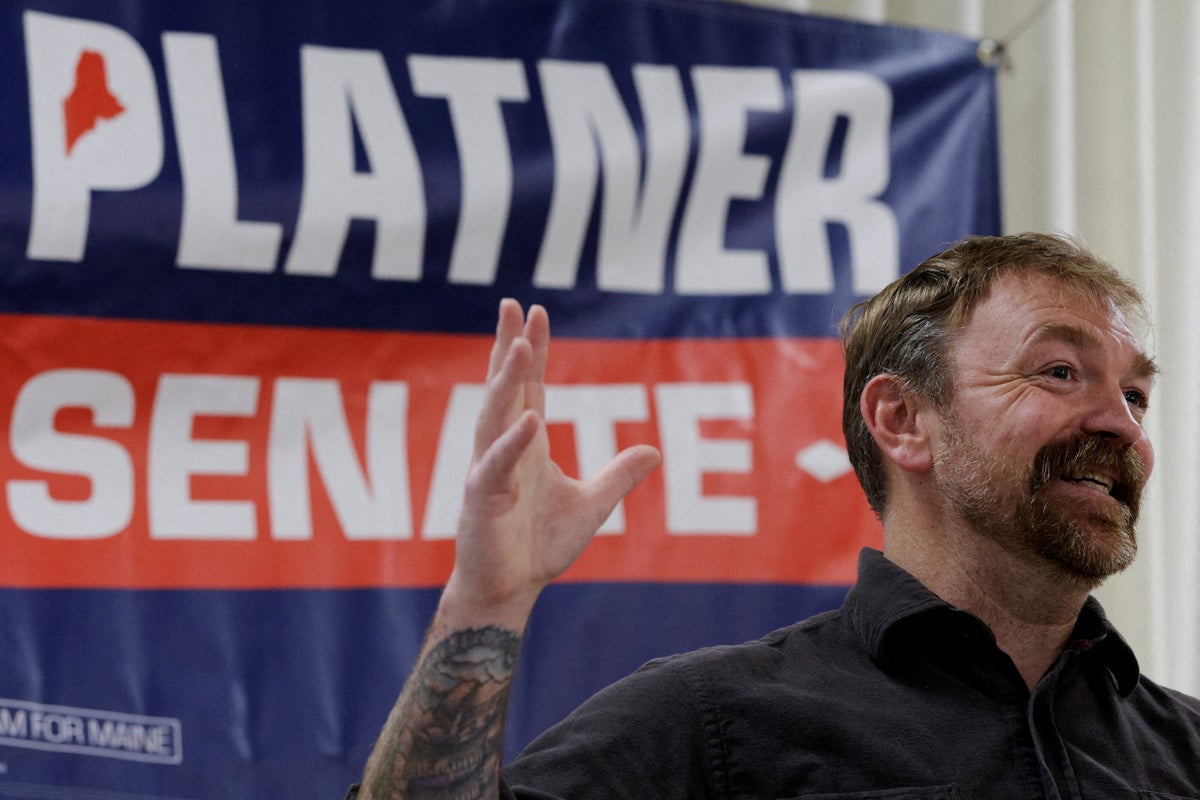
Democrats face senate nightmare after outsider candidate scandal
Key Points
Democrats face senate nightmare after outsider candidate scandal With Graham Platner’s campaign teetering from an allegation of sexual assault, there’s no shortage of people arguing that the 41-year-old Maine oysterman and progressive political neophyte was always too risky for a key Senate race - Bookmark - CommentsGo to comments Graham Platner's once-surging U.S. Senate campaign has been thrown into turmoil after a woman accused him of sexually assaulting her in 2021, raising fresh...
Democrats face senate nightmare after outsider candidate scandal
With Graham Platner’s campaign teetering from an allegation of sexual assault, there’s no shortage of people arguing that the 41-year-old Maine oysterman and progressive political neophyte was always too risky for a key Senate race
- Bookmark
- CommentsGo to comments
Graham Platner's once-surging U.S. Senate campaign has been thrown into turmoil after a woman accused him of sexually assaulting her in 2021, raising fresh questions about the risks political parties face when outsider candidates bypass traditional vetting.
Platner, a 41-year-old Maine oysterman and political newcomer, has denied the allegation, calling it "troubling, serious and false."
The accusation prompted Maine Democratic leaders, Senate Democrats and several of Platner's former supporters to urge him to end his campaign by July 13, the deadline that would allow the party to replace him in a race seen as critical to Democrats' hopes of defeating Republican Sen. Susan Collins.
The fallout comes after Platner built a grassroots campaign that defied Democratic leaders, who had hoped Gov. Janet Mills would enter the race. Mills declined, and Platner won over progressive voters despite a series of controversies that included criticism over a tattoo linked by some to Nazi symbolism, reports of extramarital sexting and inflammatory social media posts.
Political analysts say his rise reflects a broader trend of anti-establishment candidates breaking through party gatekeepers.
"I think there's going to be a lot more of this," said Seth Masket, a political scientist at the University of Denver.
For decades, political parties have relied on extensive vetting to uncover damaging information before candidates reach the general election. But outsider candidates increasingly build campaigns by rejecting party insiders and traditional political structures.
"I understand that people are tired of politics as usual," said Neera Tanden, president of the Center for American Progress. "Part of the normal political process does vet candidates."
She warned that candidates who avoid that process may be more vulnerable in competitive general elections, where opponents can spend millions highlighting weaknesses.
Republicans have faced similar problems. Following the Tea Party movement, several insurgent GOP Senate nominees won primaries only to lose races Republicans had expected to win, costing the party opportunities to gain Senate control.
Some strategists now see Democrats entering a similar phase as frustrated primary voters increasingly embrace younger, anti-establishment candidates.
"The Democrats are going through what we went through 15 or 20 years ago," Republican strategist Matt Gorman said. "The rubber's going to hit the road when they start losing winnable Senate seats."
Former President Donald Trump remains the country's best-known political outsider, although strategists note that his decades-long public profile has given him advantages that many first-time candidates lack.
Even some of Platner's supporters now say the campaign underscores the importance of candidate vetting.
"Obviously, a big lesson here is that vetting is really important," former Obama aide and podcast host Tommy Vietor said on "Pod Save America." Vietor, who had backed Platner, has since called on him to leave the race.
Vietor noted that campaign vetting does not always uncover allegations of sexual assault but can identify warning signs before candidates reach the general election.
Although Platner has not withdrawn, Maine Democrats are already preparing for the possibility that he will.
State Sen. Troy Jackson filed paperwork to run for the Senate seat, and other Democrats have begun positioning themselves ahead of the party's July 27 deadline to choose a replacement if the nomination becomes vacant.
Progressive groups that backed Platner say any replacement should reflect the anti-establishment platform that helped him win the primary.
"People clearly wanted a voice for systemic change," said Adam Green, co-founder of the Progressive Change Campaign Committee, which has also called on Platner to step aside.
Whether Platner remains in the race or not, the episode has exposed growing tensions within the Democratic Party as it tries to balance grassroots enthusiasm with the demands of winning one of the nation's most closely watched Senate contests.
Join our commenting forum
Join thought-provoking conversations, follow other Independent readers and see their replies
Comments
[Image text:] PLATNER
SENATE
MFORMANE