
World News
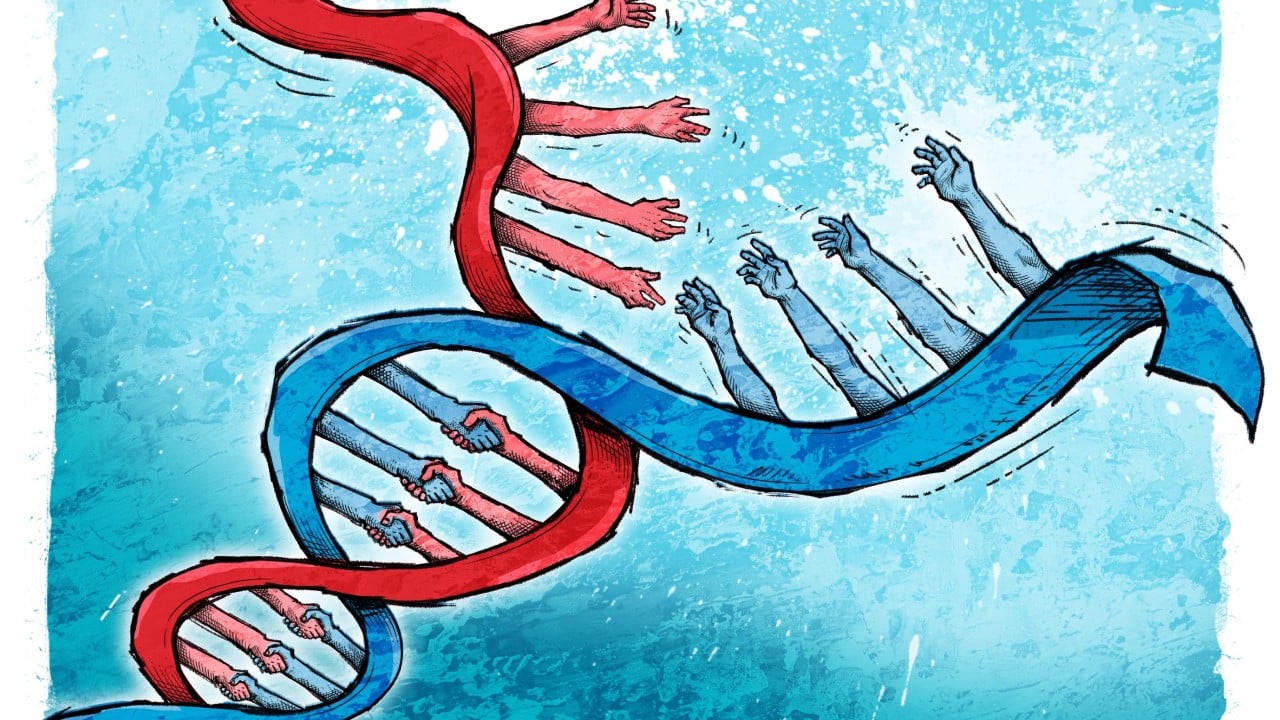
US-China scientific decoupling: the hidden costs of geopolitical rivalry
Key Points
US-China scientific decoupling: the hidden costs of geopolitical rivalry As Washington and Beijing lock horns over national security, political friction may be dismantling decades of fruitful shared discovery In late May, Zhang Ning, founder of TopEdit, a Maryland-based company that provides editing services for academic publications, learned of a troubling development. The US Congress was discussing a proposal to ban American research institutions from collaborating with certain Chinese...
US-China scientific decoupling: the hidden costs of geopolitical rivalry
As Washington and Beijing lock horns over national security, political friction may be dismantling decades of fruitful shared discovery
In late May, Zhang Ning, founder of TopEdit, a Maryland-based company that provides editing services for academic publications, learned of a troubling development.
The US Congress was discussing a proposal to ban American research institutions from collaborating with certain Chinese entities using federal research funds.
Zhang’s immediate reaction was blunt: “This is absurd.”
Zhang’s exchange took place with a vice-president for a global publishing company during the annual meeting of the Society for Scholarly Publishing in San Diego.
“My first reaction was: is this real? It is ridiculous,” Zhang recalled, adding that even if the bill eventually failed, “it feels as though the world is becoming increasingly irrational”.