
Health
Meningitis B vaccine rollout begins: Who is eligible and the symptoms to know
Key Points
Meningitis B vaccine rollout begins: Who is eligible and the symptoms to know Thousands of students will be eligible for a free meningococcal group B (MenB) vaccine from July 20 - Bookmark - CommentsGo to comments Thousands of students heading to university or residential college this autumn will be eligible for a free meningococcal group B (MenB) vaccine, following an outbreak in Kent earlier this year that was linked to two deaths. From July 20, participating pharmacies across England will...
Meningitis B vaccine rollout begins: Who is eligible and the symptoms to know
Thousands of students will be eligible for a free meningococcal group B (MenB) vaccine from July 20
- Bookmark
- CommentsGo to comments
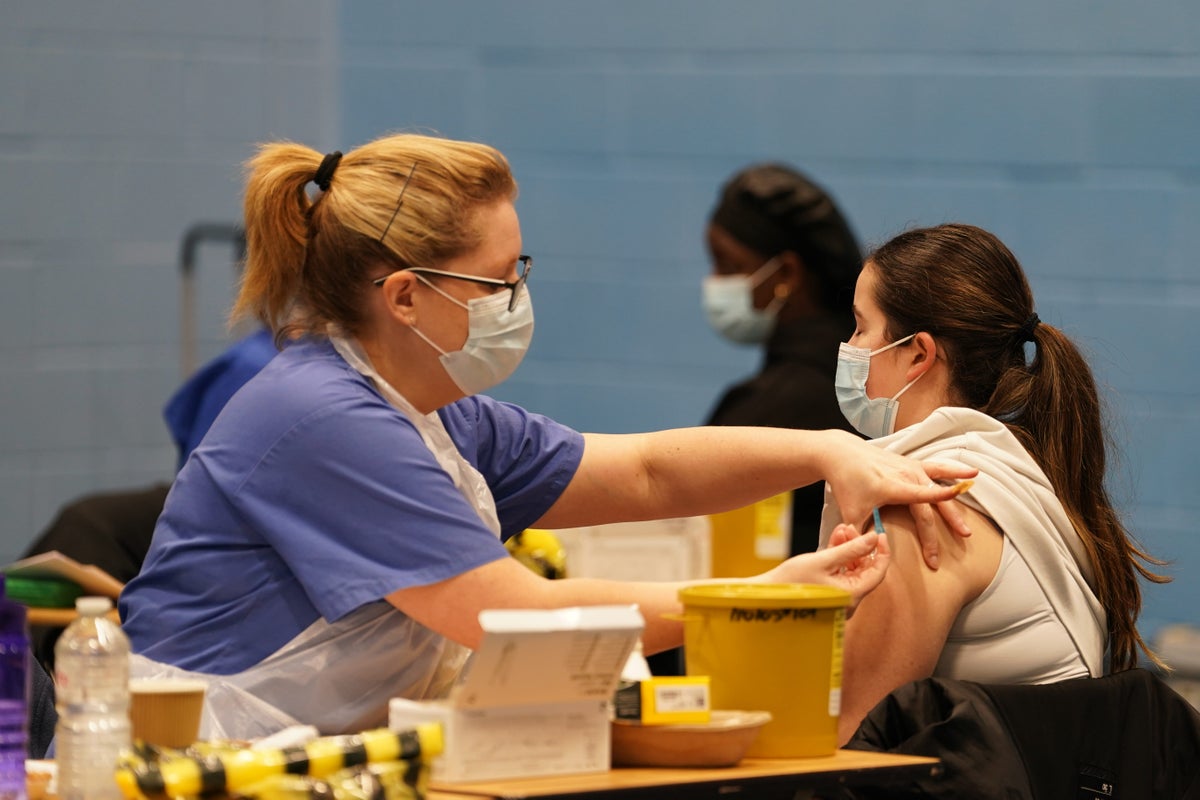
Thousands of students heading to university or residential college this autumn will be eligible for a free meningococcal group B (MenB) vaccine, following an outbreak in Kent earlier this year that was linked to two deaths. From July 20, participating pharmacies across England will offer MenB vaccinations to eligible students. Here’s what you need to know.
What is the vaccine?
The MenB vaccine helps protect against meningococcal group B bacteria, which can cause meningitis and septicaemia – serious infections that can rapidly become life-threatening.
I’m starting university this autumn but I’m not 18 yet – am I still eligible?
Yes. If you are starting university for the first time in autumn 2026 and were born on or after July 21, 2001, you are eligible even if you have not yet turned 18. Many students entering university this year will be 17 years old when the programme begins.
If you’re unsure whether you’re eligible, check the NHS guidance or speak to a participating pharmacy, your GP, or your university’s student advice services.
What if I already had a meningitis vaccine as a baby – do I need this one too?
It depends on which meningitis vaccine you received and when. Most older teenagers and young adults were born before the MenB vaccine was routinely offered to babies. Although they may have received other meningitis vaccines, such as MenACWY. These do not protect against MenB.
If you received the MenB vaccine as part of the routine infant immunisation programme introduced in 2015, you should already have protection against meningococcal group B (MenB) disease and are not the main target of this catch-up programme. Please check your vaccination history and follow NHS advice, or speak to your GP, a pharmacist or your university’s student advice service.
Can I just turn up at any pharmacy, or do I need to book an appointment?
Preferably, you should book an appointment. You can also go to a nearby walk-in centre without a booking.
Some pharmacies may also offer walk-in appointments, but availability will vary by location and demand. It is best to check in advance with the pharmacy you plan to visit.
You may be asked to provide evidence to confirm your eligibility at the vaccination centre. If you will be attending university or a further education college for the first time, remember to bring evidence, such as a UCAS offer, offer letter, or an email from the university.
What happens if I only get one dose and miss the second?
You may still get some protection from the first dose, but two doses are needed for the best and long-lasting protection against MenB disease. The NHS programme recommends two doses given at least 28 days apart.
If you miss your second dose for any reason, you should arrange to receive it as soon as possible. You do not usually need to retake the first dose. You can contact your pharmacy or vaccination provider to complete the course or seek further advice.
Does the vaccine protect against all types of meningitis?
No. It is specifically designed to protect against meningococcal group B (MenB) bacteria, one of the leading causes of bacterial meningitis and septicaemia in young people.
No single vaccine protects against every cause of meningitis as it can be caused by different bacteria and viruses. Other meningococcal bacteria, such as A, C, W and Y, are covered by another vaccine called MenACWY, which is routinely offered to teenagers and university entrants.
Together, the MenB and MenACWY vaccines provide protection against the most important meningococcal strains responsible for serious disease in the UK.
Why are university students specifically being prioritised?
University students are being prioritised because they face a higher risk of exposure to MenB, especially during their first year, when close living and social environments make transmission more likely.
About the author
Hamid Merchant is the Head of Department for Bioscience at the University of East London.
This article was first published by The Conversation and is republished under a Creative Commons licence. Read the original article.
This increased risk is linked to close and frequent social contact, including living, studying, and socialising with large numbers of new people. Meningococcal bacteria can spread through activities such as kissing, sharing drinks, sharing vapes and prolonged close contact.
If I’ve had the vaccine, do I still need to watch out for meningitis symptoms?
Yes. Although the MenB vaccine provides strong protection against meningococcal group B disease, no vaccine is 100% effective. Some people do not respond well to the vaccine. They may have a weakened immune system due to medical conditions or might be taking certain medications that may affect how well the vaccine works.
Also, since meningitis can be caused by different bacteria and viruses, and MenB vaccine does not protect against every cause of meningitis. This means it is still important to be aware of the symptoms of meningitis and septicaemia, even if you have been vaccinated. Early diagnosis and treatment can be life-saving.
Symptoms of meningitis
NHS
The symptoms of meningitis develop suddenly and can include:
- a high temperature (fever)
- very cold hands and feet
- a stiff neck
- joint and muscle pain
- a severe headache that is getting worse
- eye pain when looking at bright lights
- seizures (fits)
- vomiting (being sick) and diarrhoea
- confusion
- being very sleepy or difficult to wake
- spots or a rash that does not fade when pressed with a glass (this may be harder to see on brown or black skin)
For meningitis, the most important signs to look out for are: fever, severe headache, vomiting, stiff neck, dislike of bright lights, rash, confusion, delirium, severe sleepiness, losing consciousness and seizures.
For septicaemia, the most important signs to look out for are: fever and shivering, severe pains and aches in limbs and joints, vomiting, very cold hands and feet, pale or blotchy skin, rapid breathing, diarrhoea and stomach cramps, difficulty walking or standing, severe sleepiness, losing consciousness and a red or purple “bruised” or blotchy rash that doesn’t fade when pressed (a glass test can help you identify this). On darker skin, check inside the eyelids or roof of the mouth where the spots may be more visible.
Join our commenting forum
Join thought-provoking conversations, follow other Independent readers and see their replies
Comments