
Health
Eat these foods if you’re worried about lettuce because of the ‘explosive diarrhea’ parasite
Key Points
The Independent's journalism is supported by our readers. When you purchase through links on our site, we may earn commission. Eat these foods if you’re worried about lettuce because of the ‘explosive diarrhea’ parasite There are over 6,000 cases reported in more than 40 states - Bookmark - CommentsGo to comments A parasite that’s causing thousands of cases of explosive diarrhea is spreading through produce across the U.S. — and forcing Americans to wonder what is safe to eat.
The Independent's journalism is supported by our readers. When you purchase through links on our site, we may earn commission.
Eat these foods if you’re worried about lettuce because of the ‘explosive diarrhea’ parasite
There are over 6,000 cases reported in more than 40 states
- Bookmark
- CommentsGo to comments
A parasite that’s causing thousands of cases of explosive diarrhea is spreading through produce across the U.S. — and forcing Americans to wonder what is safe to eat.
There are now over 6,000 infections reported in more than 40 states, but health authorities are still working to trace potential sources. A cluster of cases in Ohio, West Virginia, Michigan and Kentucky is likely tied to contaminated lettuce, federal officials said Tuesday.
Past cases of the dehydrating stomach bug cyclosporiasis, caused by the microscopic parasite cyclospora, have been tied to raspberries, cilantro, parsley and other fresh fruits and vegetables.
While no fruits or veggies are completely safe from cyclospora, experts say some foods may be safer than others. Eating fruits with thick peels can help to reduce risk, for example, Nuwan Gunawardhana, a hospital epidemiologist at Columbia University Irving Medical Center, told CNN on Tuesday.
“If you are eating produce that you’re able to peel, that’s also a very optimal way to prevent ingesting these organisms, because when you’re peeling the fruits or vegetables, you’re getting rid of the contaminated surfaces as well,” Gunawardhana said.
Scientists still don’t fully know how the parasite gets into water, according to the U.S. Centers for Disease Control and Prevention.
No matter what you eat, the best way to reduce risk remains thoroughly washing produce and heating food to 158 degrees Fahrenheit to kill the parasite, officials said. Here are some good healthy foods that experts recommend amid fears of the parasite
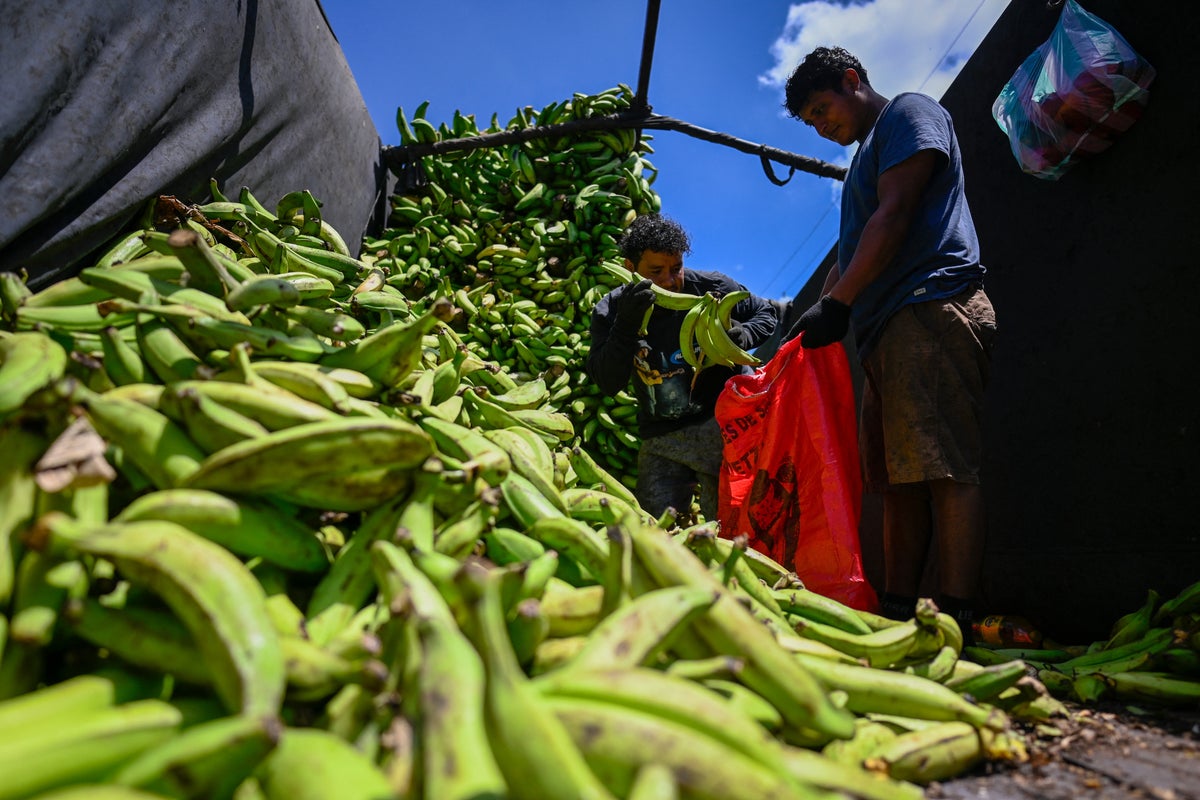
Banana
Bananas are a quick and easy fruit to consume with a peel. The tropical fruits have a bunch of benefits for your health, too.
Each banana has 420 milligrams of the essential mineral potassium. Potassium helps to counteract blood pressure-raising sodium, according to the National Council on Aging.
The world’s most popular fruit is also antioxidant-rich and contains three grams of dietary fiber. Americans should get 25-30 grams a day for optimal health, doctors say.
Kiwi
A peeled kiwi is also incredibly nutrient dense and full of inflammation-fighting antioxidants.
They’re a good source of vitamin C, which helps safeguard immune health. Two kiwis have 137 milligrams, according to the Department of Agriculture. Eating two kiwis could fight high blood pressure as well, the National Council on Aging says.
Avocados
Avocados are a versatile fruit that can also be eaten without the rind.
“Lower risk choices include bananas, oranges, avocados, melon, mangoes,” infectious disease expert Dr. Peter Chin-Hong told Bon Appétit. “Wash the outside of the thick-skinned produce and wash your hands before cutting into it.”
They’re also grown in trees. Food that are underground and covered in thick dirt can be harder to scrub, Dr. Erika Noel, an assistant professor at Hawaii’s medical school, explained to NEXSTAR.
Eating avocados every day has been linked to improved sleep quality and their healthy fat are tied to reduced cholesterol levels.
Potatoes
Potatoes may be grown in the ground, but they have a skin you can peel. They’re also a good source of gut-aiding resistant starch and fiber. A single potato has around five grams of fiber, the Agriculture Department says.
Join our commenting forum
Join thought-provoking conversations, follow other Independent readers and see their replies
Comments
Independent (ORG)
U.S. (LOCATION)
Americans (ORG)
Ohio (LOCATION)
West Virginia (LOCATION)
Michigan (LOCATION)
Kentucky (LOCATION)
Nuwan Gunawardhana (PERSON)
Columbia University Irving Medical Center (ORG)
CNN (ORG)
Gunawardhana (PERSON)
the U.S. Centers for Disease Control and Prevention (ORG)
Banana Bananas (PERSON)
the National Council on Aging (ORG)
the Department of Agriculture (ORG)