
UK News
China ‘strongly dissatisfied’ with UK government nationalising British Steel
Key Points
China ‘strongly dissatisfied’ with UK government nationalising British Steel The UK Government announced it had brought British Steel under public ownership to protect the ‘future of steel production’. - Bookmark - CommentsGo to comments China's government has expressed "strong dissatisfaction" with the UK's decision to nationalise British Steel. British Steel was brought under public ownership on Thursday, a move the Department for Business and Trade deemed essential to protect "the future...
China ‘strongly dissatisfied’ with UK government nationalising British Steel
The UK Government announced it had brought British Steel under public ownership to protect the ‘future of steel production’.
- Bookmark
- CommentsGo to comments
China's government has expressed "strong dissatisfaction" with the UK's decision to nationalise British Steel.
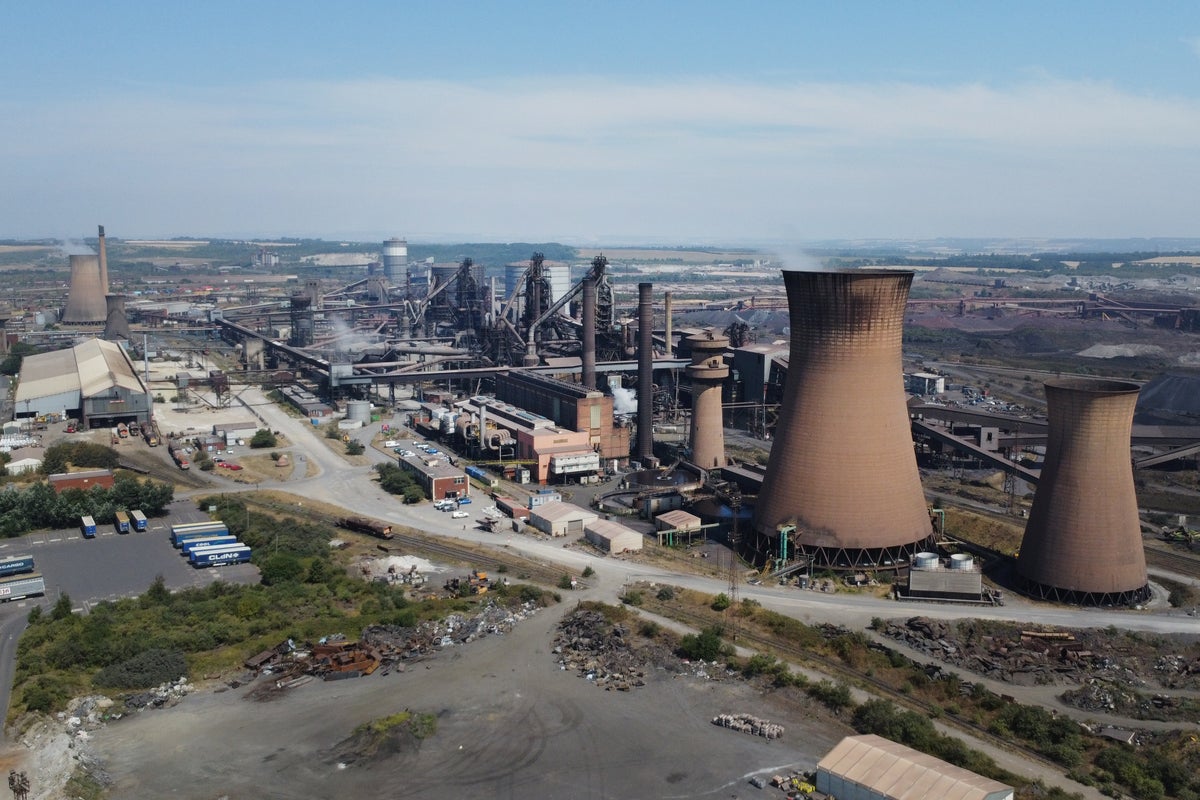
British Steel was brought under public ownership on Thursday, a move the Department for Business and Trade deemed essential to protect "the future of steel production" at its Scunthorpe, Lincolnshire site, securing its future and UK supply chains.
However, China’s Ministry of Commerce (Mofcom) countered that the action delivered "a severe blow to Chinese companies’ confidence in investing in the UK".
British Steel had previously been owned by the Chinese firm Jingye.
The intervention follows previous plans to close the Scunthorpe plant's blast furnaces. Parliament was recalled on a Saturday last April to pass special legislation to keep the plant open.
A Mofcom spokesperson told Chinese media outlet The Global Times: “The UK side, disregarding Jingye Group’s important contributions to the British economy and society, forcibly took control of British Steel and subsequently nationalised the company in the name of national security, seriously undermining Jingye’s legitimate rights and interests and dealing a severe blow to Chinese companies’ confidence in investing in the UK.
“China firmly opposes and is strongly dissatisfied with the UK government’s decision.
“China will closely follow developments, support Chinese companies in safeguarding their rights through legal means, and take strong measures to firmly protect the interests of Chinese companies.”
The spokesperson reportedly said the UK Government should “abide by relevant international rules, earnestly fulfil its obligations under the China-UK bilateral investment treaty, treat Chinese companies operating in the UK in a fair and impartial manner, and fully protect their legitimate rights and interests”.
Following Thursday’s nationalisation, a new leadership team was appointed to focus on stabilising the business and turning it into a “commercially sustainable, low-carbon enterprise”, the UK Government said.
Prime Minister Sir Keir Starmer said on Thursday: “British Steel is part of the fabric of our nation and a cornerstone of Britain’s industrial strength.
“Today’s decision secures the future of steelmaking in the UK, protects skilled jobs and safeguards a vital national capability.”
He continued: “This Government will always act in the national interest to support British industry, strengthen our economy and ensure the industries we rely on can thrive long into the future.”
The announcement followed the Steel Industry (Nationalisation) Act 2026 receiving royal assent and becoming law. The new law allows ministers to transfer steel businesses’ shares or property into public ownership.
Join our commenting forum
Join thought-provoking conversations, follow other Independent readers and see their replies
Comments
China (LOCATION)
UK (LOCATION)
British Steel (ORG)
The UK Government (ORG)
the Department for Business and Trade (ORG)
Scunthorpe (LOCATION)
Lincolnshire (LOCATION)
Ministry of Commerce (ORG)
Mofcom (ORG)
Chinese (ORG)
Parliament (ORG)
The Global Times (ORG)
Jingye Group’s (ORG)
British (ORG)
Jingye (ORG)