
Education
It’s time to reset the UK’s ambition when it comes to aid – and show we can be a force for good
Key Points
It’s time to reset the UK’s ambition when it comes to aid – and show we can be a force for good As the UK prepares to host the G20 summit next year, we have an opportunity to reset our commitment to international development, writes Marsha de Cordova - Bookmark - CommentsGo to comments In a refugee camp in Ethiopia, 9 year old Amina, who is deaf, sits at home while other children go to school. She used to attend a small learning centre, supported by a non-governmental organisation (NGO),...
It’s time to reset the UK’s ambition when it comes to aid – and show we can be a force for good
As the UK prepares to host the G20 summit next year, we have an opportunity to reset our commitment to international development, writes Marsha de Cordova
- Bookmark
- CommentsGo to comments
In a refugee camp in Ethiopia, 9 year old Amina, who is deaf, sits at home while other children go to school. She used to attend a small learning centre, supported by a non-governmental organisation (NGO), where a teacher was trained in sign language and where Amina could access a hearing device. Then one day, the funding stopped, and the teacher left. Without training or tools, her mother is unable to teach her, and Amina is beginning to forget the signs she once knew. Her world has shrunk – not due to her disability, but due to her support disappearing.
Sadly, Amina’s story is not unique. Around the world, stories like this are happening as a result of global aid cuts. That includes by the UK, following successive cuts to the UK aid budget. While the current economic climate and cost of living crisis is no doubt a critical factor, we cannot abandon our responsibilities as a trusted and reliable global partner.
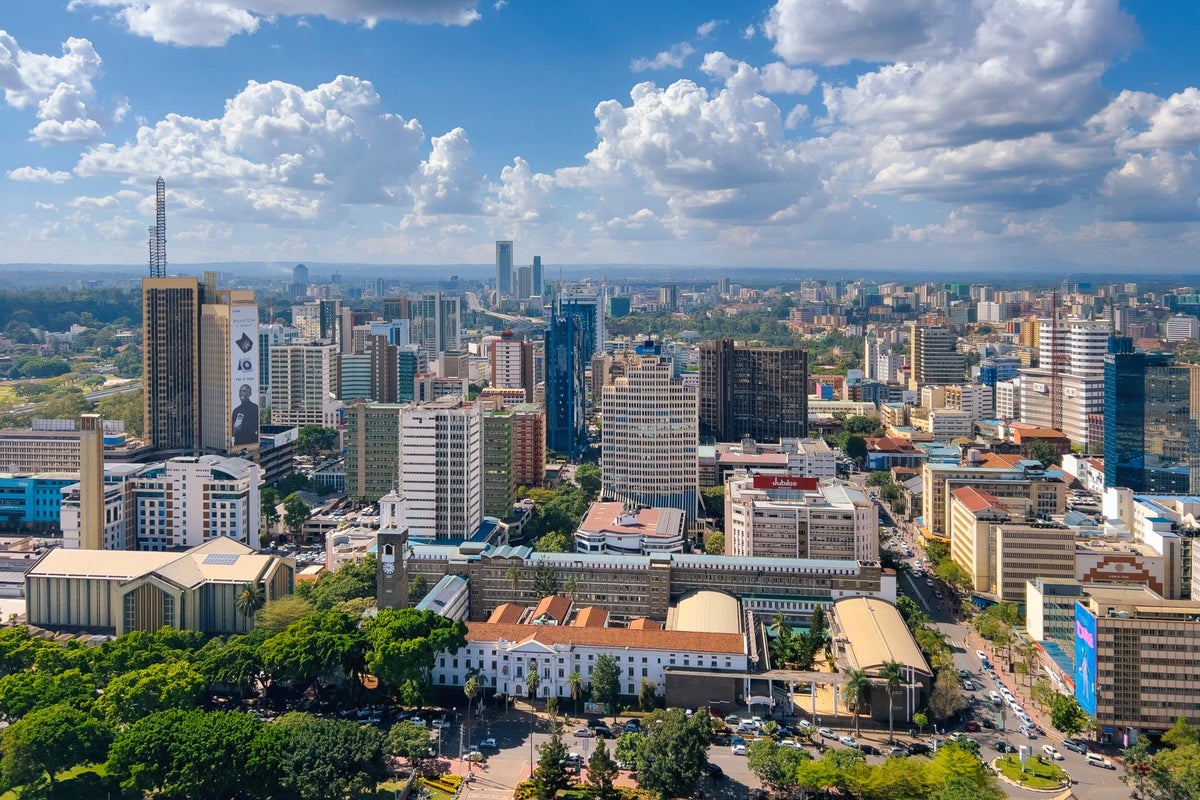
Global partnerships are central to my work in parliament. This year I had the privilege of visiting Nairobi in Kenya to meet healthcare professionals, community leaders and organisations delivering vital eye care services. During those visits, I saw first-hand the impact that long-term international partnerships can have, restoring sight, improving educational outcomes and creating opportunities for individuals and communities to thrive. We also had important conversations about how countries can work together as equal partners to drive lasting change in eye health.
Additionally, as patron of Able Child Africa, who are based in my constituency of Battersea, I have been able to see first-hand their impact working with local organisations, as they provide essential support to disabled children and young people across Africa. Their work educates, supports and amplifies voices. Yet reductions to the UK aid budget threaten the sustainability of programmes like these, putting at risk years of progress and potentially impacting thousands of disabled children.
What these visits and partnerships have reinforced is the power of international cooperation. In an increasingly volatile world, our ability to work together across borders is more important than ever.
In a changing global landscape, we cannot ignore the importance of UK aid as a tool to prevent conflict, fight poverty, tackle hunger, and protect us against future pandemics. UK aid is an investment in global security.
That is why the upcoming G20 summit, hosted by the UK next year, is the perfect opportunity for the new prime minister to reset our ambitions and demonstrate to our partners, in the G20 and beyond, that the UK is ready to be a force for good on the world stage once again.
The G20 presidency offers a rare opportunity to drive meaningful reform of a global financial system that too often leaves low-income countries trapped in debt and unable to invest in essential public services. Sadly, 32 African countries spend more on external debt payments to private creditors, including wealthy banks and hedge funds, than they do on their own health and education systems.
This is not right, and it is the most marginalised, particularly women, children and disabled people, who are impacted most. Fairness, partnership and shared prosperity must be at the heart of the international agenda. We have the chance to take decisive action on tackling the global debt crisis at the G20, protect what remains of the UK aid budget and commit to making the international system work for all.
The British public want to see a government that stands up for fairness and equality both at home and abroad. A government that works collaboratively with other countries to prevent conflict, tackles poverty and leads on climate action. A government that builds genuine partnerships with other countries based on mutual respect.
Marsha de Cordova is the Labour MP for Battersea
This article has been produced as part of The Independent’s Rethinking Global Aid project
Join our commenting forum
Join thought-provoking conversations, follow other Independent readers and see their replies
Comments