
Politics
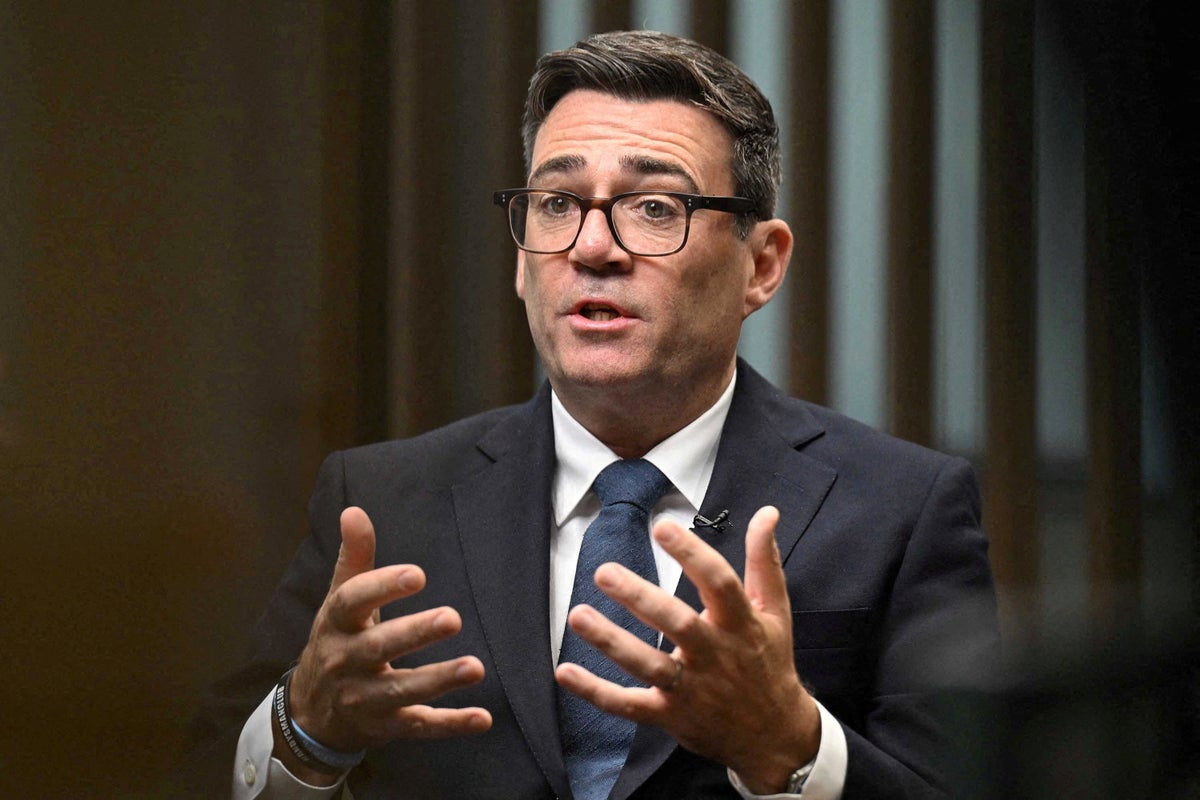
Burnham explains why £8.4bn nuclear submarine investment will boost UK defence, jobs and apprenticeships
Key Points
Burnham explains why £8.4bn nuclear submarine investment will boost UK defence, jobs and apprenticeships The nuclear-armed submarines are set to replace the current Vanguard Class when they enter service and will be capable of launching Trident 2 D5 ballistic missiles - Bookmark - CommentsGo to comments Prime Minister Andy Burnham is expected to unveil an £8.4 billion investment for the UK's next generation of nuclear submarines. Aimed at preparing HMS Dreadnought for service by the 2030s,...
Burnham explains why £8.4bn nuclear submarine investment will boost UK defence, jobs and apprenticeships
The nuclear-armed submarines are set to replace the current Vanguard Class when they enter service and will be capable of launching Trident 2 D5 ballistic missiles
- Bookmark
- CommentsGo to comments
Prime Minister Andy Burnham is expected to unveil an £8.4 billion investment for the UK's next generation of nuclear submarines.
Aimed at preparing HMS Dreadnought for service by the 2030s, the nuclear-armed vessels are set to replace the current Vanguard Class and will be equipped to launch Trident 2 D5 ballistic missiles.
Powered by a Rolls-Royce nuclear propulsion system, produced in Derby, the submarines will boast an almost unlimited operational range.
HMS Dreadnought is the first of four new submarines.
The funding will primarily support its progress towards readiness, with a portion also allocated to advance the second vessel, HMS Valiant, to its sea trials ph
Manufacturers will also be supported to get the third and fourth boats through their construction phases.
Prime Minister Mr Burnham said: “Keeping this country safe is the first responsibility of any Government.
“But security is not only about what we build, it is about who builds it, and who benefits from it.
“The submarines produced in Barrow will protect Britain for decades to come, and the 47,000 jobs and apprenticeships will change lives both in this town and in dozens of places like it.
“British money, spent on British workers, British firms and British skills, in the places that were written off for 40 years.
“To every young person across the country, I want you to know that there is a path for you into a reindustrialised Britain and it starts with the apprenticeships we are funding through this investment today.”
The Prime Minister’s announcement on Thursday will follow his pledge to tackle joblessness among young people.
On a visit earlier this week to Alstom, a rail manufacturer in Derby, Mr Burnham said the “first thing” he needed to do was stop the rise in young people not in education, employment or training (Neet).
The latest data, published in May, showed the number of young people aged 16-24 neither working nor learning passed one million for the first time since 2013, reaching 1.01 million in the three months from January to March.
“It would be wrong to blame the young people when we have an education system that doesn’t set them up properly, where some struggle to find opportunities at 16, where work experience and work placements aren’t there for them,” Mr Burnham said.
“We’ve got to put those building blocks in place, and then, in time, that number will come down.”
The wider UK Defence Nuclear Enterprise is thought to support around 47,000 jobs, including 9,000 in Aldermaston and Burghfield in Berkshire, 8,000 at Devonport naval base in Plymouth, and 13,500 at Barrow in Cumbria.
On the Dreadnought Class submarine programme, £5.9 billion of the £8.4 billion will go to BAE Systems, with £2.5 billion for the wider supply chain.
Mr Burnham faces questions about his defence policies, including how he will pay for a commitment to reach 3.5% of GDP on defence spending by 2035.
Asked at a press conference on Wednesday whether he would meet the commitment, the Prime Minister pointed to the deadline in the next decade.
“In terms of our Nato commitments, I have been very clear that we will honour those commitments,” he said.
“It does mean being prepared to look at challenging issues.”
Mr Burnham’s pick for Chancellor, John Healey, resigned as Sir Keir Starmer’s defence secretary last month, warning that the former prime minister was “unable, and the Treasury has been unwilling, to commit the resources that the nation needs to defend the country at this time of rising threats”.
The Defence Investment Plan (Dip) which followed – including a pledge to fund the fitting of four Dreadnought submarines in Barrow – took expected total defence investment over the next four years to £298 billion.
Defence spending by the end of the decade will be 2.7% of GDP, according to the document.
It is thought the Prime Minister will hail Barrow as a case study for how taxpayer investment in major Government projects can support opportunities in the long term throughout the UK.
Defence Secretary Wes Streeting said: “Our nuclear-armed submarines are essential to keeping the UK secure, acting as the ultimate deterrent to our adversaries in an increasingly dangerous world.
“This milestone investment breathes new life into Barrow’s historic traditions and secures our commitment to deliver Dreadnought Class submarines by backing British industry.
“Supporting thousands of skilled local jobs, we are fusing Barrow’s proud heritage with modern technology to build our security for the future, supporting the next generation to keep our country safe as their parents and grandparents did.”
Shadow defence secretary James Cartlidge warned the money “would appear to be a reannouncement of funding previously confirmed in the Dip”, but added: “We nevertheless welcome continued progress on the Dreadnought programme.”
The Conservative frontbencher continued: “It’s concerning that there is still no detail at all on the big promise of the strategic defence review, which was the procurement of ‘up to 12’ attack submarines.
“The Dip was meant to clarify exactly what ‘up to 12’ meant but we are still none the wiser.
“At the same time, Burnham is adding to the uncertainty by failing to commit to the very pathway to 3% which his Chancellor demanded when he resigned as defence secretary.
“It’s welcome that we now have a consensus with the Government on backing the nuclear deterrent and it’s right we send our adversaries the message that we are all behind the workforce of Barrow and Devonport, which supports and builds our submarines.
“Nevertheless, we hope that the Chancellor and Prime Minister will respond to the threats we face by properly funding a pathway to 3% (by 2030).”
Join our commenting forum
Join thought-provoking conversations, follow other Independent readers and see their replies
Comments