
Politics
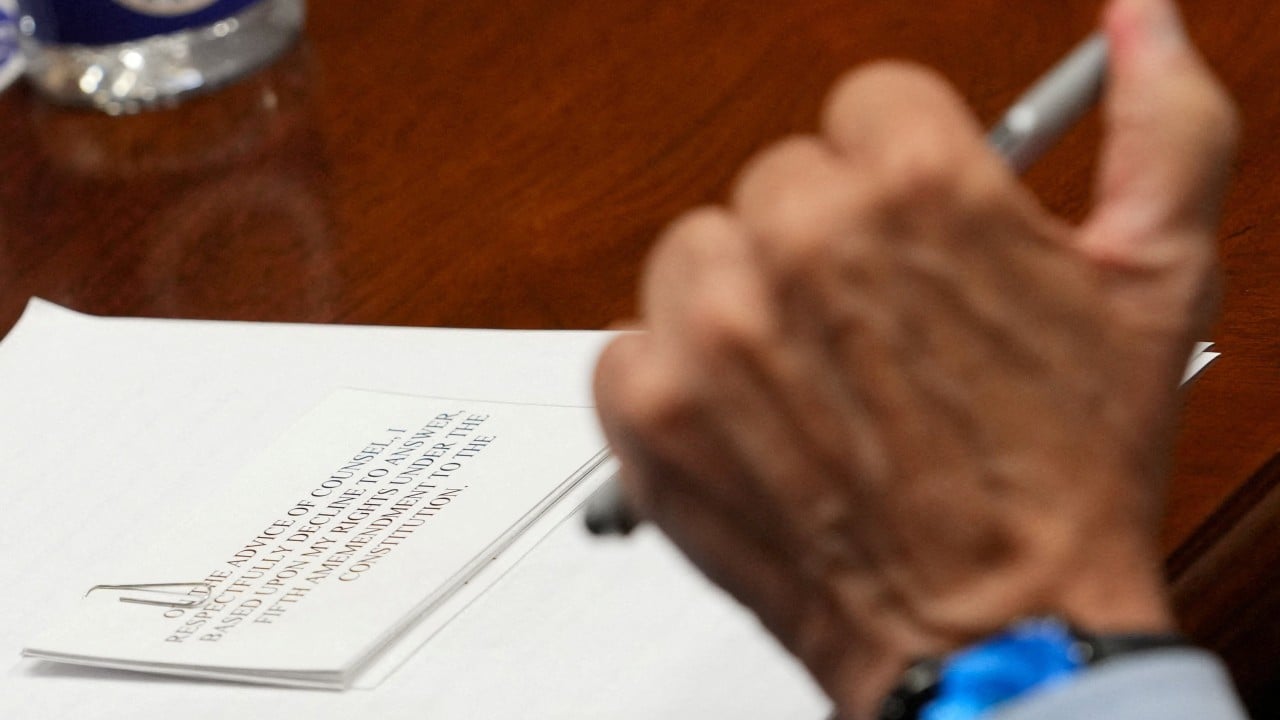
Fauci’s silence puts fresh spotlight on ‘pleading the Fifth’ right in US
Key Points
Fauci’s silence puts fresh spotlight on ‘pleading the Fifth’ right in US Former top US Covid expert repeatedly invoked constitutional protection against self-incrimination during a combative Senate panel It was important enough to the framers of the US Constitution to be included in the first 10 amendments known as the Bill of Rights – that no person “shall be compelled in any criminal case to be a witness against himself”. Today, that protection – famously known as “pleading the Fifth” –...
Fauci’s silence puts fresh spotlight on ‘pleading the Fifth’ right in US
Former top US Covid expert repeatedly invoked constitutional protection against self-incrimination during a combative Senate panel
It was important enough to the framers of the US Constitution to be included in the first 10 amendments known as the Bill of Rights – that no person “shall be compelled in any criminal case to be a witness against himself”.
Today, that protection – famously known as “pleading the Fifth” – remains one of the most visible and politically charged safeguards in American law.
It has seeped into the culture, too. “Pleading the Fifth” has become an idiom in the United States, used jokingly in casual conversation as a way to get out of answering a possibly uncomfortable question.
The scientist, who helped lead the nation’s Covid-19 response, was subpoenaed to testify under oath by Republican Senator Rand Paul of Kentucky, who has long had an antagonistic relationship with Fauci.
In 2022, Donald Trump repeatedly invoked it during a deposition for a civil case in New York, and during the 1950s anti-communist hearings, witnesses used it before Senator Joe McCarthy despite facing public censure and blacklisting.