
World News
‘Intense’ El Niño will be a ‘double blow’ for Latin America, UN official warns
Key Points
‘Intense’ El Niño will be a ‘double blow’ for Latin America, UN official warns The U.S. Climate Prediction Center recently estimated an 81% probability of a ‘very strong’ El Niño, potentially ranking among the most severe since 1950 - Bookmark - CommentsGo to comments Latin America is bracing for a severe El Niño weather phenomenon between October and December, a development expected to exacerbate existing agricultural supply chain disruptions stemming from conflict in the Strait of Hormuz....
‘Intense’ El Niño will be a ‘double blow’ for Latin America, UN official warns
The U.S. Climate Prediction Center recently estimated an 81% probability of a ‘very strong’ El Niño, potentially ranking among the most severe since 1950
- Bookmark
- CommentsGo to comments
Latin America is bracing for a severe El Niño weather phenomenon between October and December, a development expected to exacerbate existing agricultural supply chain disruptions stemming from conflict in the Strait of Hormuz.
Maximo Torero, chief economist of the United Nations Food and Agriculture Organization, warned that the region faces a "double blow" of extreme weather stress and diminished access to crucial agricultural inputs. Fertilizers and hybrid seeds, vital for crop production, have seen their availability impacted by an effective blockade of the Strait of Hormuz during the U.S.-Iran war.
Torero emphasized the potential severity, stating, "There is a high probability that this will be an intense El Niño — like the one in 2015."
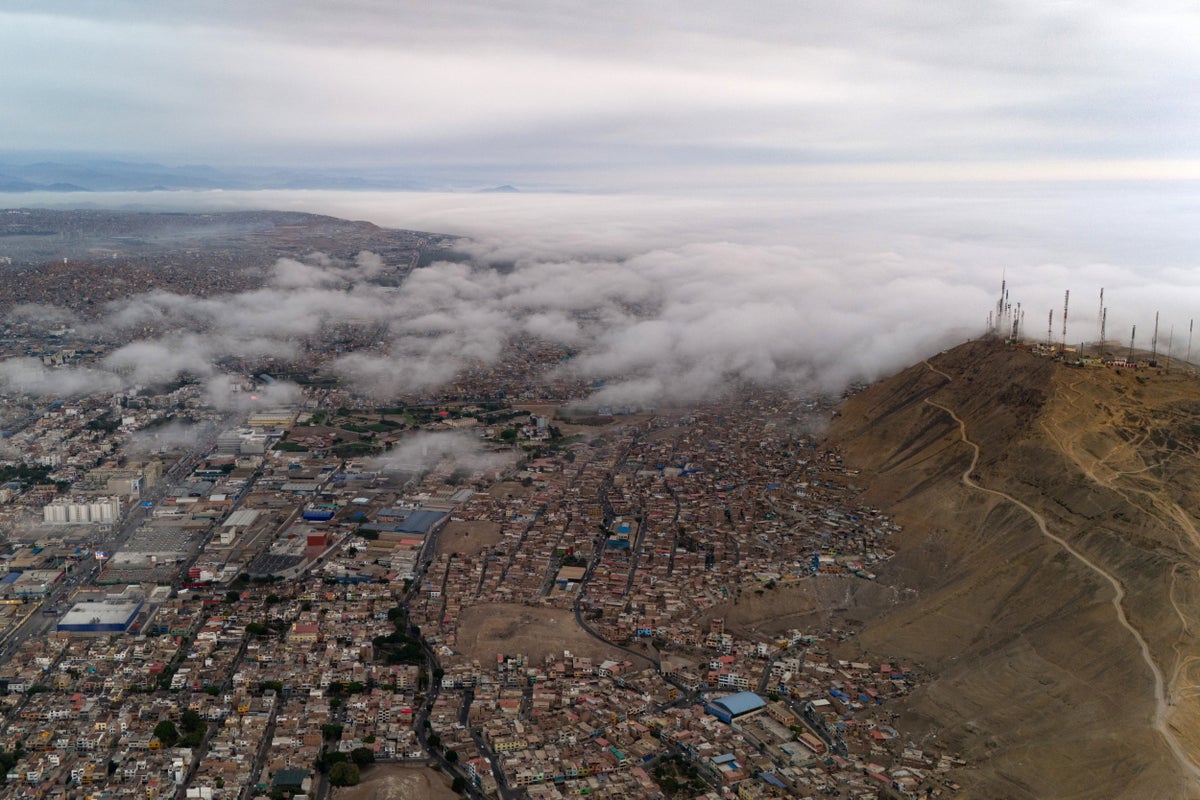
The climatic effects are anticipated to be uneven across Latin America. Peru, for instance, is projected to experience flooding along its northern coast while its highlands grapple with water scarcity. A similar pattern of contrasting conditions is likely to manifest between northern and southern Chile.
In response, Torero urged governments to formulate policies capable of addressing both these extreme conditions concurrently.
The U.S. Climate Prediction Center recently estimated an 81% probability of a "very strong" El Niño, potentially ranking among the most severe since 1950.
Torero urged investments in preparedness, saying every dollar dedicated here yields a $7 return, compared to just $3 for reactive measures.
Torero recommended focusing on infrastructure to prevent transport disruptions, developing resilient seeds and accelerating harvests to mitigate damage from storms.
The FAO identified the Central American Dry Corridor, a tropical forest region on the Pacific Coast, as a very high-risk zone during El Niño.
Join our commenting forum
Join thought-provoking conversations, follow other Independent readers and see their replies
Comments
Latin America (LOCATION)
UN (ORG)
The U.S. Climate Prediction Center (ORG)
El Niño (PERSON)
the Strait of Hormuz (LOCATION)
Maximo Torero (PERSON)
the United Nations Food and Agriculture Organization (ORG)
Torero (PERSON)
Peru (LOCATION)
Chile (LOCATION)
FAO (ORG)
the Central American Dry Corridor (ORG)
the Pacific Coast (LOCATION)
Independent (ORG)