
Sport
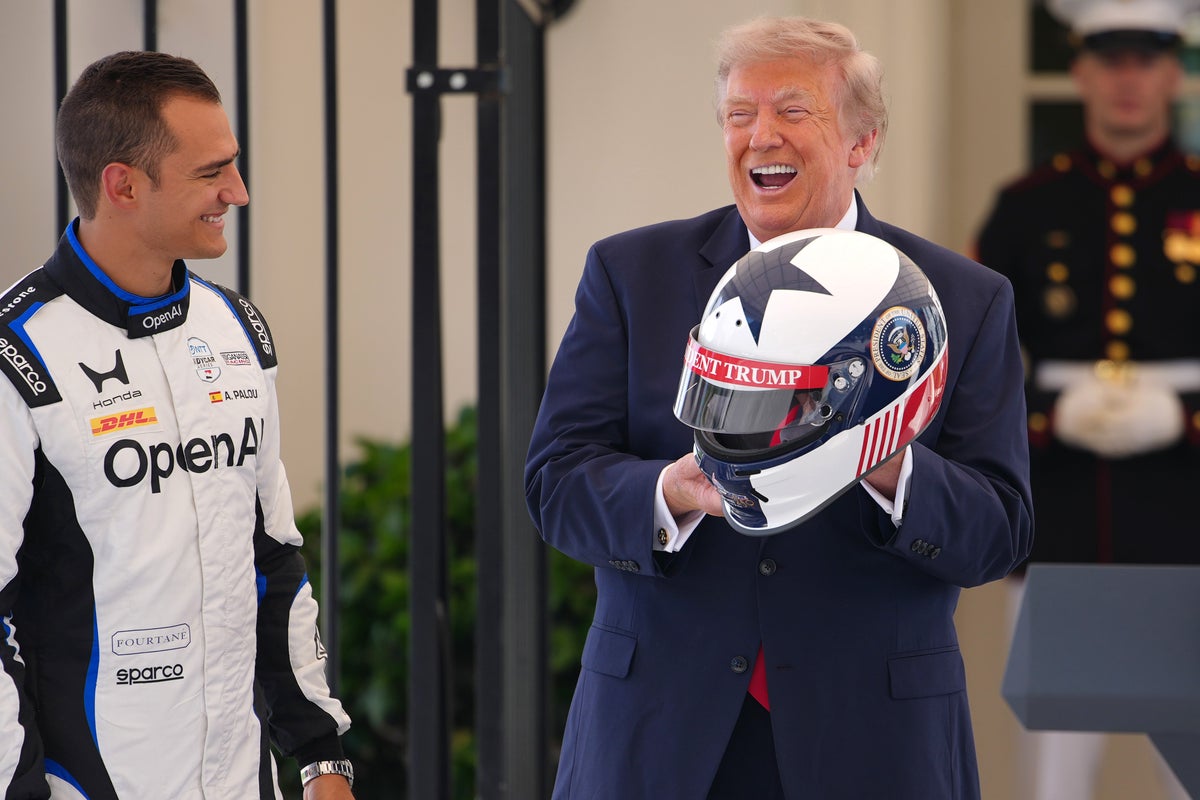
National Gallery moves to protect artwork from Trump’s Freedom 250 Grand Prix vibrations
Key Points
National Gallery moves to protect artwork from Trump’s Freedom 250 Grand Prix vibrations The National Gallery sits in the middle of the 1.7-mile-long racecourse - Bookmark - CommentsGo to comments The National Gallery of Art in Washington, D.C. has taken steps to protect artwork from “extensive vibrations” ahead of President Donald Trump’s Freedom 250 Grand Prix later this month. NASCAR and IndyCar racing legends will reach speeds of up to 185 mph during the race in the heart of the nation’s...
National Gallery moves to protect artwork from Trump’s Freedom 250 Grand Prix vibrations
The National Gallery sits in the middle of the 1.7-mile-long racecourse
- Bookmark
- CommentsGo to comments
The National Gallery of Art in Washington, D.C. has taken steps to protect artwork from “extensive vibrations” ahead of President Donald Trump’s Freedom 250 Grand Prix later this month.
NASCAR and IndyCar racing legends will reach speeds of up to 185 mph during the race in the heart of the nation’s capital, in and around museums and government buildings, including the famed art gallery.
The National Gallery, which is listed on the National Register of Historic Places, sits in the middle of the 1.7-mile-long racecourse, and the institution is not taking any chances when it comes to looking after the tens of thousands of valuable artworks it houses, The Washington Post reports.
“In preparation for the Freedom 250 Grand Prix, the National Gallery conducted an extensive vibration study and based on the results we have implemented a set of measures to ensure the safety of our staff, visitors, collection, and facilities during the race,” gallery spokesman Chris Abanavas told the outlet.
The spokesman would not release any specifics to the newspaper but said it had conducted the study “out of a great abundance of caution.”
Some artworks have “been moved away from the side of the building facing the racetrack,” according to a report by The New Republic last week.
The race will see drivers race 147 laps around the track on August 22 and 23. The Smithsonian’s National Museum of the American Indian, Air and Space Museum, in addition to the National Archives, also sit within the racetrack, a map of the course released by Washington, D.C. Mayor Muriel Bowser’s office showed.
Freedom 250 said event organizers hold “tremendous respect for the history” and structures surrounding the racecourse and pointed out that IndyCar has been hosting races in downtown urban areas “for decades.”
“With this excellent track record and the thorough preparation we have done for this event working closely with all the appropriate local and federal agencies, we do not anticipate any impact on the structures surrounding the circuit,” a spokesperson said.
Still, some preservationists said they were concerned about how the vibrations could impact delicate artwork and called for a more comprehensive review.
Michelle Arcari Rose, a former associate general counsel at the National Trust for Historic Preservation, told the Post it was “a huge risk” to “unleash cars at 185 miles per hour in a place where we’ve never had cars really going more than 25 miles an hour.”
Sara Bronin, a Biden-era chair of the Advisory Council on Historic Preservation, warned of the potential impacts on some of the statues on the Grand Prix route. “You wouldn’t want to see some of these things topple over because of the rumblings and the vibrations,” Bronin told The New Republic.
“Excess vibrations and sound, as well as the construction of the racetrack itself, could very well cause damage,” added Mary Okin of the nonprofit Living New Deal.
Studies about the impact of racing events on museum collections vary. A 2023 report cited by the Post about the effects of vibrations featuring a NASCAR race on an art gallery in Chicago found that foot traffic from visitors caused greater vibrations in the gallery than the race itself.
The report noted that in addition to one-time events, other activities inside museum buildings, including crowd movements, elevators, heavy doors, the use of carts and lifts to move objects, and activities at loading docks, could also “have a detrimental impact on museum collections.”
The White House said “all appropriate protocols” were followed ahead of the event, the latest sporting spectacle Trump has hosted in Washington after throwing a UFC Freedom 250 fight.
The Trump-backed Freedom 250 was responsible for its Great American State Fair, fraught with low attendance and technical difficulties.
Join our commenting forum
Join thought-provoking conversations, follow other Independent readers and see their replies
Comments
National Gallery (ORG)
Trump’s Freedom 250 Grand Prix (ORG)
The National Gallery (ORG)
The National Gallery of Art (ORG)
Washington (LOCATION)
D.C. (LOCATION)
Donald Trump (PERSON)
NASCAR (ORG)
IndyCar (ORG)
the National Register of Historic Places (ORG)
The Washington Post (ORG)
Chris Abanavas (PERSON)
The New Republic (LOCATION)
Smithsonian (ORG)
National Museum of the American Indian (ORG)